
Hokum Gothic Horror Movie Review
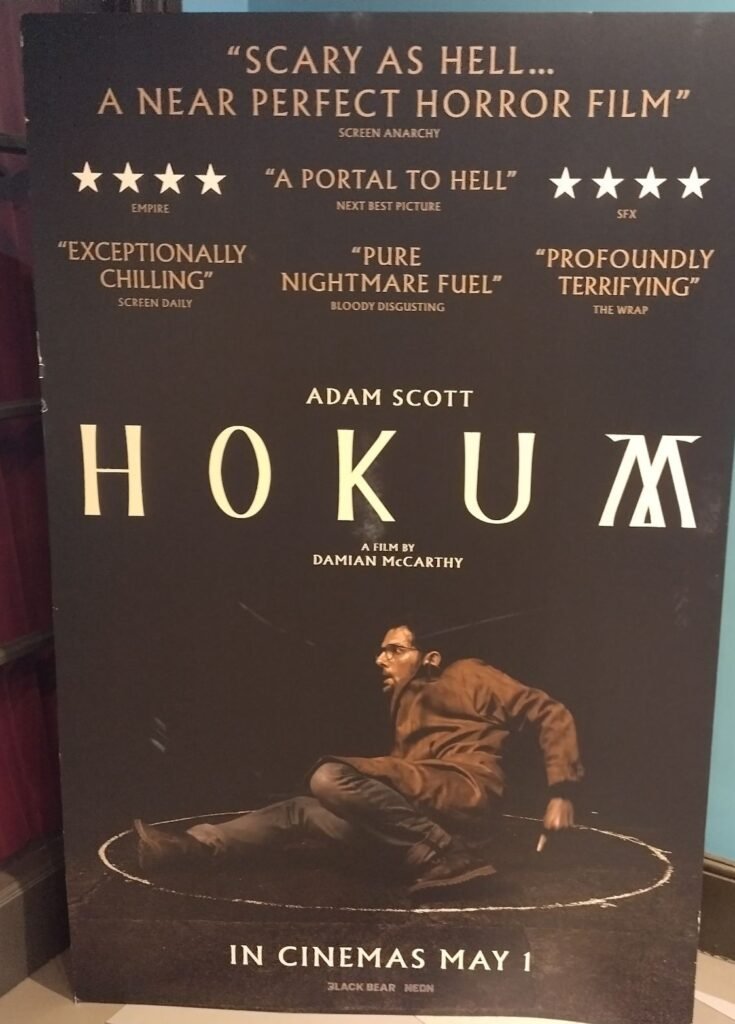
Hokum Gothic Horror Movie Review: A Gothic Mystery That Leans Into Mood (Warning Contains Spoilers)
Damian McCarthy continues to influence modern horror through patience and restraint. Hokum extends his scope but not at the expense of his identity. The story revolves around a writer who comes to an isolated hotel in Ireland. He is looking for peace and serenity but instead finds an atmosphere of tension and oddities.
This is a very deliberate setup. There are many similarities to The Shining, both in terms of setting and theme. While McCarthy does not try to hide his inspiration from the film, he manages to make it his own through a more contemplative approach to the story.
It is never a safe place. It watches the characters quietly. It feels like the walls hold memories. It is alive, but there are no direct threats. It is through this uncertainty that McCarthy finds his horror.
Direction and Creative Control
McCarthy’s direction is restrained. He avoids quick editing and excessive action. He has faith in silence and distance. This results in a gradual development of uneasiness. Scenes tend to last longer than expected. This technique makes us focus on minute details.
Even with a bigger scale of production, McCarthy maintains his style. On the contrary, he benefits from it. He utilizes additional elements for improving mood rather than for creating spectacle. The film has better visual polish than Caveat and Oddity. Still, it keeps their emotional tension.
McCarthy knows how to handle limitations well. Even with a larger budget, he does not go overboard. The horror is rooted in perception through characters. This makes the movie more coherent. It doesn’t become a loud and flashy genre movie but sticks to psychological tension.
Some people might feel that this film lacks the edge of McCarthy’s previous movies. His earlier films had more intensity due to being more claustrophobic. Hokum is broader and more controlled. While this may lessen the intensity for some, it improves visual coherence.
Cinematography and Visual Language
The cinematography by Colm Hogan plays an important role in defining the film’s essence. Hogan constructs an environment that is created by darkness and silence. He makes good use of space. He frequently places his characters in shadowy areas.
In this movie, light doesn’t represent safety but rather flickering and fading. Candles and dimly lit lamps are seen in many shots. This leads to a state of constant uncertainty. The audience can’t see all that is going on.
The hotel itself becomes visually entrapping. Long hallways go on endlessly without giving any sense of ease. Rooms look big and small at once. The camera is mostly stationary. This creates a sense of unease that comes naturally. Movement is heightened by its rarity.
Hogan refrains from using overly stylized horror images. He never resorts to using his camera shots for shock value. He manages to instill fear by his compositions. Everything he does is very calculated.
Exterior scenes add emotional weight. The Irish landscape looks cold and distant. It feels beautiful but isolating. The outside world never feels like escape. It feels like another version of confinement.
Performances That Ground the Horror
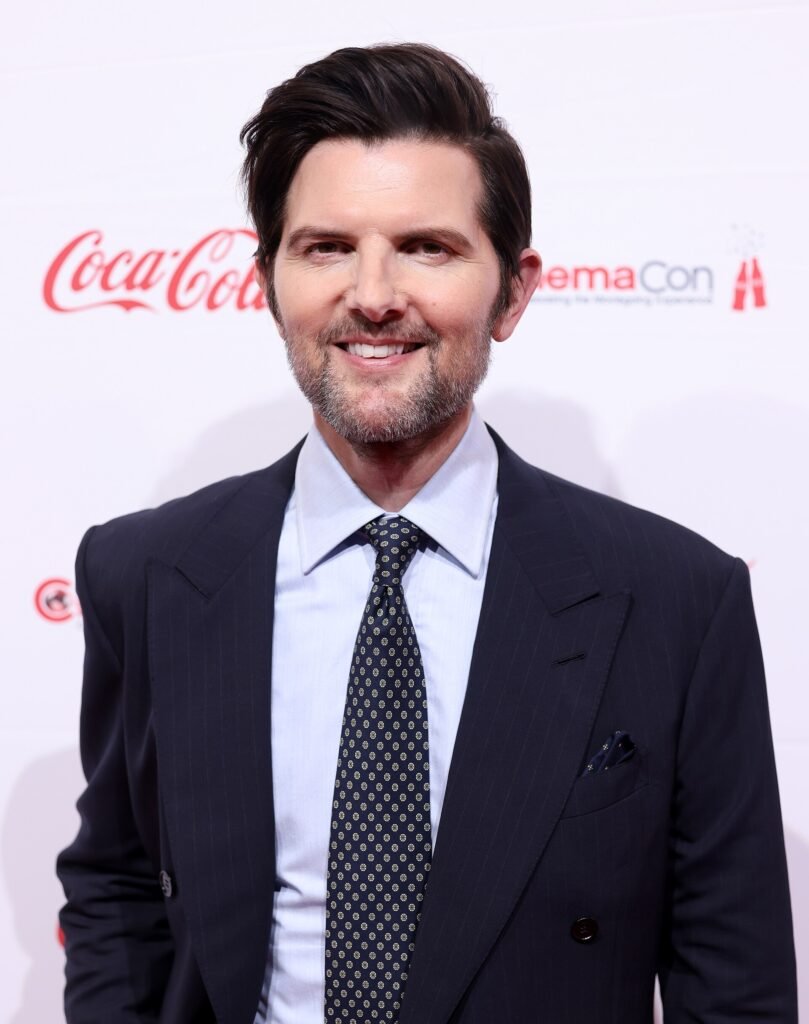
Adam Scott provides an impressive central performance. He portrays his character with cool detachment. He does not exaggerate even in moments of great intensity. Slowly but surely, his character changes under the strain.
This is a very natural development.
Scott’s performance is effective because it is human. He does not play to horror movie clichés. He behaves as one would expect from a normal person put in that situation. This adds credibility to the supernatural aspects of the film.
David Wilmot provides significant contrast. He introduces humor to serious scenes. His presence eases tension without ruining the mood. The humor is dark and somewhat uncomfortable. This suits the gothic nature of the film.
The rest of the cast also does an admirable job. None of them overact or ruin the illusion. They all keep their characters in check. This contributes to maintaining the atmosphere.
Story Structure and Pacing
The film proceeds very deliberately. McCarthy does not make sudden revelations. They happen one step at a time. The method creates curiosity rather than surprise.
The film is constructed from small revelations. Each scene brings in new information. All of the pieces together create a bigger picture. The viewer needs to be alert. Patience pays off.
Some viewers may feel that the pace is too slow. The film features many long shots of dialogue or silence. There is not much happening in the way of action typical to horror films.
Even so, the pacing is in line with the themes. The film centers around deterioration of the mind. Slow pacing reflects this deterioration. In effect, it puts the viewer in the same position of doubt.
Themes and Psychological Depth
Psychological horror is more effective than physical horror because fear results from doubt and perception. There is a constant doubt about the reality of the situation that moves the plot along.
Nevertheless, there is still the problem of familiarity. It seems like The Shining has had a big impact on this film as well. The theme of isolation and madness in the film is rather familiar.
Nonetheless, McCarthy brings something new into the picture. He adds elements of fear mixed with humor and also refrains from using violence and spectacle in the film.
Sound Design and Atmosphere
The role of sound is subtle yet essential. Silence is utilized as an instrument within the film. Rooms that are silent can appear noisier than those where people talk. Even small noises stand out.
Sounds of footsteps, wind, and background noises create tension. There is no consistent use of music in the sound design. Realism and anxiety are created by this.
Music, when there is any, becomes minimalistic. Mood enhancement is done rather than emotional direction through music. This leaves room for interpretation within scenes.
What Works Best
Atmosphere still comes first. All departments work to achieve this purpose. Direction, cinematography, and acting match each other perfectly. The film achieves an appropriate mood consistently.
The performances are excellent too. Adam Scott provides stability for the story. David Wilmot offers necessary variety. The cast stays credible all the way through.
The mystery approach is successful. Curiosity grows gradually. The film does not offer simple solutions. This maintains audience interest throughout the movie.
What Does Not Work As Well
Familiarity is the main drawback of this movie. Too many horror clichés are used in the movie, which allows the audience to guess what will happen next.
Another problem arises because of marketing. The movie was advertised as being very frightening, but the end result does not meet this expectation. The film concentrates more on intrigue rather than terror.
Slow tempo could be another reason for the movie not receiving good reviews from the audience.
Final Verdict
Hokum works as a successful Gothic psychological mystery. This film is not about scares but more about building atmosphere and creating tension.
There is evident control of Damian McCarthy in handling a bigger production. He does not get lost in this bigger project but uses this opportunity to enhance his style further.
This film will be inevitably compared to The Shining. Nevertheless, it develops its own atmosphere and mood that feel familiar but effective.
Colm Hogan enhances the visual style of the movie. Adam Scott is the backbone of the emotional storyline of the film.
In the end, Hokum works best as a slow, uneasy experience. It rewards patience and attention. It may not terrify, but it lingers.