The Punisher One Last Kill
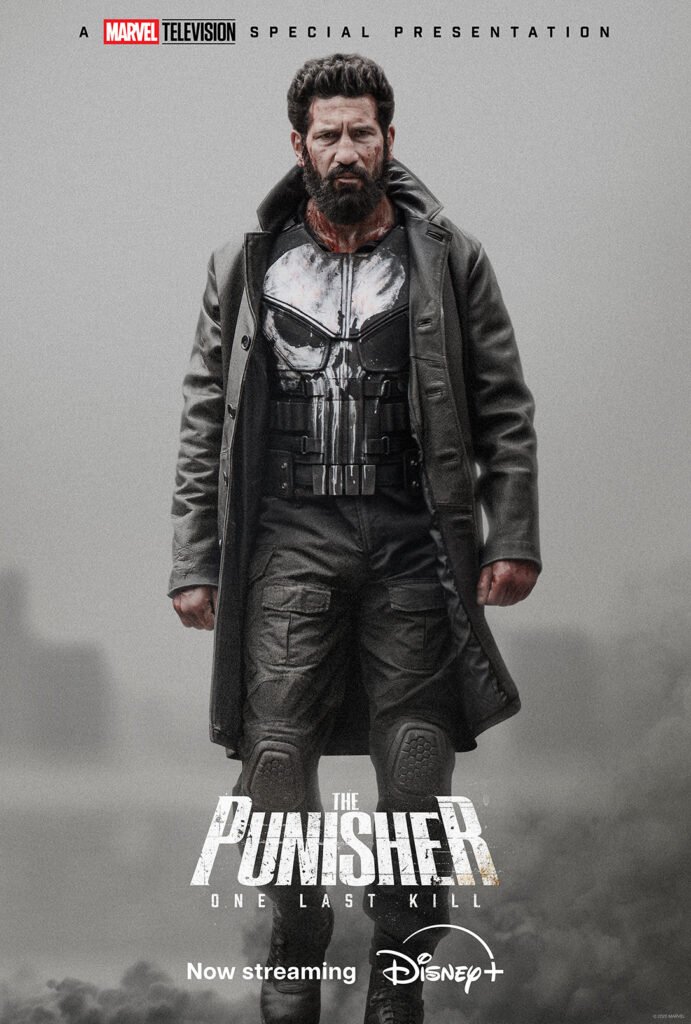
The Punisher One Last Kill: A Dark Return for Frank Castle (Warning Contains Spoilers)
“Punisher: One Last Kill” provides a hard-hitting, emotional comeback for Frank Castle in today’s Marvel universe. This is an example of how this special opts to remain rooted in realism and dramatic characters without compromising on brutality.
Rather, it wholeheartedly embraces a dark and intensely personal portrayal of justice, suffering, and retribution. The end product is an uneasy viewing experience that emphasizes characters rather than effects.
This story follows the same vein as Daredevil and The Punisher. It maintains Frank Castle’s connection to grounded storytelling. It steers clear of grandiose stakes and sticks to personal harm. This makes for a more emotionally powerful and focused story.
Performance Spotlight: Jon Bernthal Defines Frank Castle
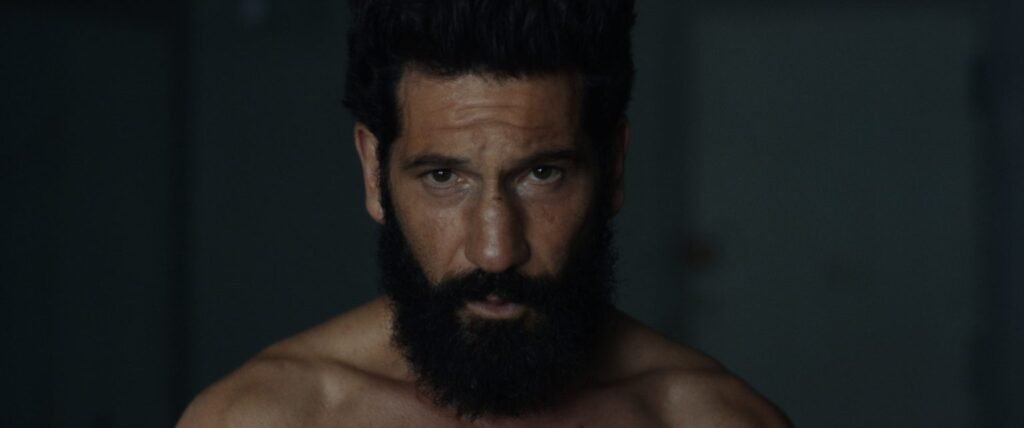
Jon Bernthal anchors the whole show with his strong and subtle acting. He plays Frank Castle as an exhausted, unstable, and completely shattered character. He never overacts but relies on realism. This approach makes all the emotional moments in the show realistic.
Bernthal uses silence to tell stories. He conveys grief by using body language and facial expressions. Rage is delivered in controlled bursts that seem unpredictable. This is how the tension is created even in silent moments. The performance holds all the emotions of the entire project.
He also emphasizes the humanity of Frank despite his violent nature. He never makes the character purely aggressive. Rather, he shows the character’s guilt, remorse, and exhaustion. This makes the performance engaging throughout.
Direction and Tone: Reinaldo Marcus Green’s Grounded Vision
Reinaldo Marcus Green creates the particular by concentrating on realism. He constructs a realistic visual approach that is not based on stylized superhero conventions. He applies natural lighting and tight shots to make a claustrophobic mood. This method ensures that the audience remains close to the characters all the time.
The focus emphasizes emotional unease rather than visual excitement. The director shuns fast camera movements that take away attention from the plot. He uses stillness and closeness to create suspense. This strategy emphasizes the psychological gravity of the plot.
The tone stays consistently dark through the duration of the movie. It does not move on to the humor and lightness that would be expected from a typical MCU film. This adds to the uniqueness of the movie.
Action and Violence: Brutality with Consequence
The fights in The Punisher: One Last Kill have a sense of realism and force. There is no attempt at choreographed fighting scenes and overblown movement. Rather, the violence portrayed is brutal and physical in nature, and tiring to watch.
Frank is an aggressive and urgent fighter. He does not depend on elegance or precision. He beats his opponents using his strength and resolve. This kind of fighting technique mirrors the psychology of the individual. It portrays a person who fights to end the conflict for good.
The cinematography enhances this strategy. The camera is close up in scenes where there is fighting. The film uses hand-held camerawork to convey confusion. There is no quick cutting to obscure what happens. This gives each blow its impact.
There is never a sense that the violence is disconnected from the consequences. On one hand, it reinforces the physical and emotional damage. On another hand, it connects directly to the struggle within Frank.
Supporting Cast: Judith Light as Ma Gnucci
Judith Light provides an impressive performance as Ma Gnucci. She imbues the character with intelligence, control, and menace. She doesn’t indulge in the typical theatrics of a villain. Instead, she portrays a cool and calculated character.
This lady uses psychological manipulation in order to make sure that she does not lose control over her subjects. This makes her hard to predict and even more dangerous. She is an exact opposite of Frank Castle in terms of emotions.
This relationship creates more tension within the narrative. Frank operates on impulse and trauma, while Ma Gnucci operates on logic and strategy. This sets up an interesting battle between chaos and order. Even though she has little screen time, she makes a lasting impression.
Themes: Identity, Guilt, and Cycles of Violence
Theme of Identity. The core theme of the movie revolves around identity. Frank Castle has difficulty in separating himself from his Punisher identity. He tries to live a life without violence but finds that the world keeps pushing him back into violence.
Another theme that is present is that of guilt and consequences. Frank harbors emotional scars from all of his actions. The episode will not portray violence as something pure or justified. Each action causes more disturbance. This never ends.
Isolation is an important part of the emotional framework. Frank is isolated from the rest of society. Frank is not capable of making any stable emotional bonds. This adds to Frank’s inner turmoil and tragedy.
It is a story that develops from what had been started in Daredevil and The Punisher. The story revolves around moral and psychological issues. It is amazing how this story ignores all MCU mythology.
Pacing and Structure: Strength and Limitation
The special has a compact and concentrated structure. It keeps up momentum throughout the whole film. It knows where It wants to go. There are no unnecessary plot lines that could distract from the main idea.
Nevertheless, the short duration makes emotional development challenging. There are some plotlines that seem underdeveloped. Some character developments occur too fast. This leads to a sense of compression in critical scenes. This is somewhat frustrating.
Pacing is used to reach the climax of the story. There is no time spent on resolving the story. This leads to divided opinions. Some people consider it deliberate while others consider it incomplete.
Ending: Abrupt but Thematically Consistent
There is no conventional resolution in the ending. Instead, the ending leaves the story at a point of suspenseful tension. This choice of ending makes it clear that there is an on-going internal cycle.
The ending is consistent with Frank’s inability to break away from violence. Also, it is consistent with the theme of repetition. Nevertheless, it is unsatisfactory to some viewers due to lack of resolution.
Nevertheless, the ending is consistent with the thematic design. The ending emphasizes the message rather than closure. It leaves the viewers uncomfortable and reflective. This fits with the overall tone of the special.
MCU Context and Production Identity
This particular project represents the trend that is evident both at Marvel Studios and Disney. It features dark storytelling within a popular franchise. It also promotes character-driven stories rather than massive crossovers.
Street-level storytelling continues to be a significant factor here. The tone resonates with other Marvel TV projects in the past. It also features continuity but not in an overwhelming manner.
The influence of street-level storytelling remains clear. The tone connects strongly to earlier Marvel Television projects. It builds on established continuity without overwhelming it. That consistency strengthens its identity.
The special proves Marvel can maintain mature storytelling within its framework. It also shows confidence in standalone character studies. That approach gives the project creative freedom.
Final Verdict: A Powerful but Incomplete Experience
Punisher: One Last Kill is a good special for both its characters and emotional intensity. It offers powerful acting and solid direction. The special does not hesitate in its use of darkness and psychology, giving it great identity.
The performance delivered by Jon Bernthal is iconic for Frank Castle. Reinaldo Marcus Green backs this up with his direction. The presence of Judith Light in an important but limited role is noteworthy.
But this short time frame does not allow the full development of the story. The pacing is rather fast at times. The ending seems to be abrupt and controversial. These shortcomings decrease the overall effect of the film.
Despite all these drawbacks, the special movie is quite effective and impressive. It emphasizes the complexity of the character of Frank Castle. Moreover, it demonstrates that mature stories can find their place in the Marvel universe. Punisher One Last Kill makes a significant impression due to its emotional and thematic content.