Haunting Mother Mary Movie Review
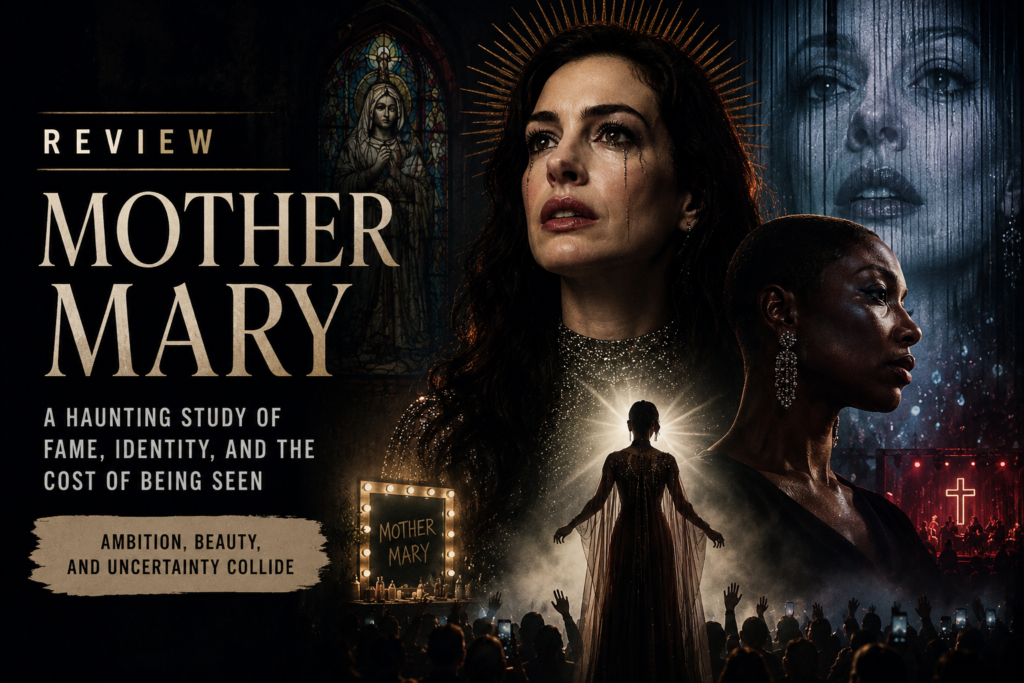
Mother Mary Movie Review (Warning Contains Spoilers)
There are movies that seek to narrate a story. And then, there are those movies which seek to evoke an emotion. In case of Mother Mary, the latter is definitely true. This movie is not concerned about telling an elaborate story as much as evoking an emotional atmosphere around it. It seeks to overwhelm you before it starts explaining itself to you.
The end result of all of this is a film which feels captivating, uneven, and emotionally distant at the same time.
Under the direction of David Lowery, Mother Mary starts off as an engaging study of the issues of fame and identity. The movie explores fame as performance and performance as captivity. Mother Mary also looks at the emotional scars caused by being a public idol. But then somewhere in the latter half of the movie, it takes a strange turn.
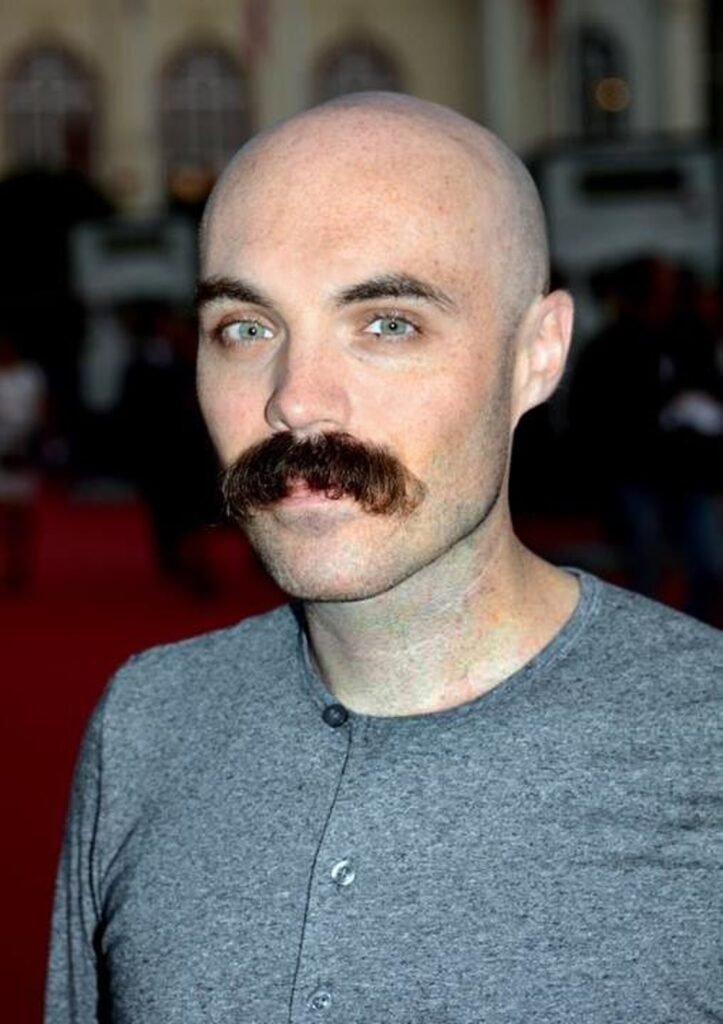
It is here that Mother Mary becomes controversial.
Fame as Performance
In essence, Mother Mary thrives on the process of constructing an image. She appears more as an idealization rather than an individual in the film. The question the film consistently poses is that of celebrity destroying identity in the end. All interactions portrayed seem like acts.
It makes the theatrical nature become an important part of the film.
Often times, the interactions between Anne Hathaway and Michaela Coel look as though they were from the stage. Dialogue seems to take place as a performance rather than free interaction between the characters. There is no off-hand dialogue.
At other times, this elevated style of dialogue works really well. There are moments where certain confrontations seem intense and full of emotional danger. But there are also instances when the screenplay is overly conscious of its own significance. Dialogue becomes artificial.
This turns out to be one of the most significant shortcomings of the film.
The film continuously strives for an emotionally deep meaning. However, sometimes it seems that it confuses poetry with emotional truth. Certain scenes seem less about describing human actions and more about making some kind of philosophical statement.
It establishes an emotional distance between us and the characters.
This theatrical element can actually be intentional. No one in Mother Mary seems able to be genuine at all anymore. Everything is theatrical since the characters are trapped in their own theatricality. Fame, in the movie, equates to life on an eternal stage. There is nowhere left to get behind the scenes.
The Cinematography Creates Two Emotional Worlds
Perhaps one of the most intriguing choices about the film is that of its two cinematographers. In the case of Rina Yang and Andrew Droz Palermo, we get two individuals who work with different sensibilities when making their films.
Whereas Andrew Droz Palermo works with softer aesthetics that are more emotional and spiritual, his images have a very dream-like quality. There is tenderness and sadness to the visuals as they slowly move on screen.
Rina Yang’s work is marked by greater stylistic and visual flair. The images seem to be sculpted and performative. She sees glamour not just as beauty, but as a form of self-protection through psychological means. The face glows under the lights, but there is hidden vulnerability.
Taken together, these approaches capture the themes of the entire movie.
One form of cinematography is based on emotional truth, while the other is an act of public performance. Cinematography alternates between these emotional styles consistently. Sometimes the scenes appear to be delicate. At other times, they seem like editorial or music videos.
It is this visual contradiction that makes the film one of its strongest points.
Despite the confusion in the narrative, the visual language of the film manages to maintain its emotional quality. The film constantly vacillates between fantasy and reality. This ambiguity perfectly fits a movie where the theme is that of the celebrity identity.
The camera repeatedly reinforces that idea
Mirrors feature in the movie all the time. The reflections split people both visually and emotionally. The stage lights seem to mimic religious icons. People in the crowd no longer come across as spectators but rather as devotees.
When Symbolism Becomes Excessive
Mary’s motherhood rarely relies on subtlety. Virtually every shot within the film has underlying symbolism. The issue arises when there is an overwhelming amount of imagery throughout the entirety of the film.
The symbolism takes away from the emotionality of the story being told.
There are constant reminders in the film about how Mary is a woman as well as a goddess figure. With fame, Mary becomes this mythical character who cannot be reached by anyone. Viewers will consume the image of Mary but fail to recognize her as a human.
But the endless repetition soon becomes tiresome.
The film never stops reminding us about acting, identity, dedication, and self-effacement. It rarely rests on silences or simplicities. Rather, the film builds symbol upon symbol until it is hard to keep one’s emotions clear.
These effects cause an uneven experience. For some viewers, the film will be hypnotic. For others, however, it will be a prison from which there is no escape due to its constant need for analysis. Indeed, the movie acts as if it wants to be analyzed.
The self-consciousness makes some scenes weaker. The most effective symbols emerge naturally from emotions. The least effective symbols seem forced down from above. There are times when the images enhance emotional knowledge in wonderful ways. There are other times when the imagery seems merely decorative and self-important. The film has trouble balancing these two aspects.
The Supernatural Shift Creates Confusion
This aspect of the movie is what is seen as the most controversial part of it. This is because, while what started off as a psychological thriller soon turns into something else, which is rather unexplainable.
This becomes a problem for the film.
At the start, Mother Mary seems like an emotionally realistic movie in spite of its very staged nature. Themes of fame, emotional dependence, artistic power, and consumerism run throughout the film. Even the heavy symbolism is tied to real human psychology.
But then the movie veers away. There are some key issues raised by the haunting imagery. Is it a real ghost in the world of the film? Or is it psychological? Could it also mean fame destroying Mary’s personality?
Ambiguity, by itself, need not be considered a problem.
Many great movies thrive on ambiguity and unanswered questions. Nevertheless, even the most effective ambiguity needs to maintain emotional consistency. There are times when Mother Mary seems confused with its own guidelines. The supernatural element is so strongly delivered that it almost becomes a genre change.
The transition never truly settles in an emotional way. One interpretation sees the ghost as representing Mary’s public persona. The concept of fame becomes parasitic and haunts her personal being. Her public identity grows more dominant, but she fades away. Under this theory,
This is because the movie does not fully commit itself in either direction. In place of being ambiguous, it often comes off as insufficiently explored. This is because while the ambiguity may be emotionally unresolved, it tries to combine psychological depth and otherworldly intrigue. However, it fails to do so entirely.
Anne Hathaway and Michaela Coel Carry the Film
Although the screenplay is riddled with inconsistencies, the performances are thoroughly committed through the movie. Anne Hathaway gives one of her most open and emotional performances in recent years. She wholeheartedly dives into the emotional stylization of the film.
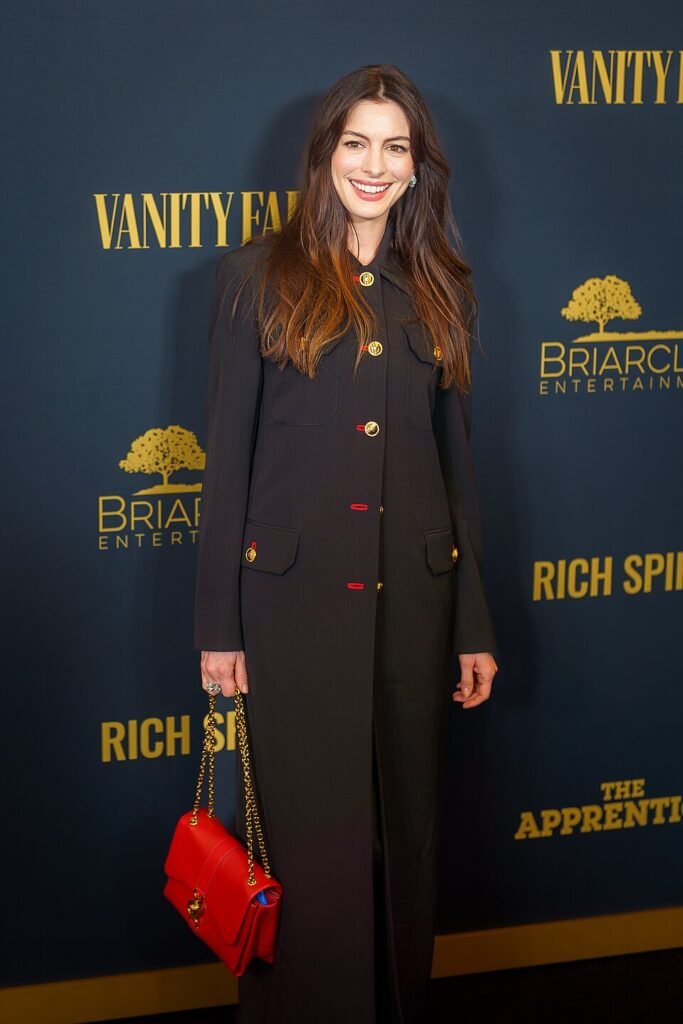
She appears unafraid of letting go on an emotional level. Hathaway gets what makes Mary tired, even through her public persona. No matter how surreal things get within the movie, she keeps her character grounded on an emotional level. Her posture continually indicates stress and emotional instability.
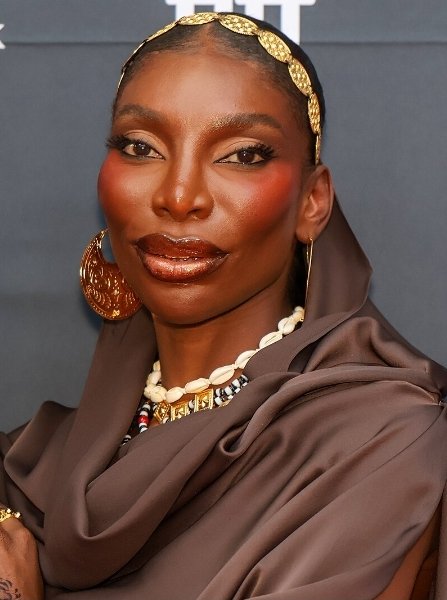
Coel’s portrayal is much more subtle and restrained. She adds an emotional stability to several scenes that would crumble under the weight of symbolism and stagey dialogues. Coel has an innate ability to bring the emotional realism into an abstract screenplay.
It makes the movie very good. The connection between the two female protagonists is the emotional core of the film. Despite the screenplay’s excessive stylization, the chemistry between them makes all scenes emotionally engaging. And you keep watching since the two actors are emotionally believable.
Final Verdict
Mother Mary is a film that is both stunning and contradictory. The visuals are ambitious and intriguing concepts are explored. The camera work is rich and evocative. The acting is consistent and emotionally honest. The problem is that the film itself lacks direction.
However, the movie cannot seem to commit itself to anything. The movie starts off as an insightful look at celebrity psyche, but then it becomes increasingly surreal and melodramatic without any real connection made between these concepts. The idea is certainly commendable, but the execution falls a bit flat.
The former group will likely find it compelling. The latter group will find it pretentious. I found that I vacillated between feeling impressed by it and emotionally disconnected from it. I appreciated its artistic aspirations more than I could relate to its narrative. There are moments that I will never forget. There are other sequences that have been tedious and pretentious.
But credit must be given to Mother Mary for taking some artistic chances. Nowadays, such boldness is almost unheard-of in modern cinema. Even if the movie ultimately doesn’t succeed, it does at least try something artistically and emotionally ambitious.
And that in itself warrants discussion. Overall, Mother Mary is a movie plagued by the very concepts it wishes to explore. The movie yearns for transcendence, symbolism, emotional destruction, and myth-making all at once. Sometimes, this leads to something truly unique. But other times, the very human emotions are lost amidst the spectacle.