
Finding Emily Romantic Comedy Review: Heartwarming
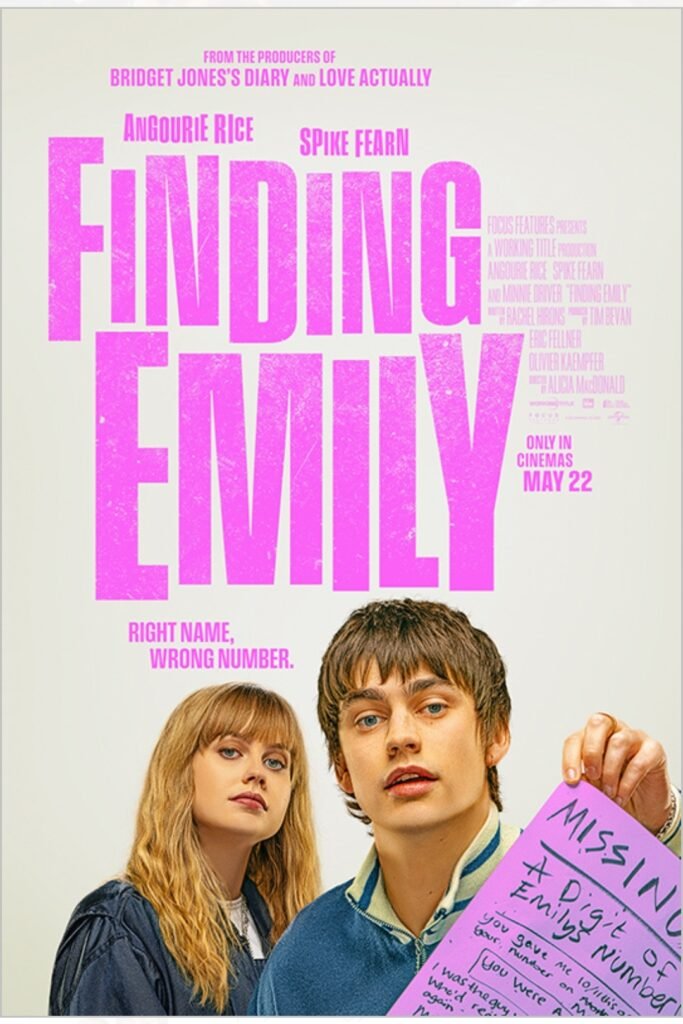
Finding Emily Romantic Comedy Review
Many romantic comedies thrive on their familiarity. The combination of chemistry, timing, and honesty helps to create a successful romantic comedy. Finding Emily does all of those things in abundance. Directed by Alicia MacDonald and written by Rachel Hirons, Finding Emily aims to be the feel good movie of the pre summer.
The movie revolves around a romantic musician who is chasing his dream relationship after he got the wrong telephone number. In the process, he finds himself getting close to an overambitious psychology student. The pair ends up embarking on an adventure full of mayhem on their college campus.
It seems like a simple idea on the surface. But underneath all the humor is a story of ambition, identity, and serendipity. Finding Emily does not offer much in terms of innovation when it comes to romantic comedy tropes. Nevertheless, it offers enough charm to be memorable.
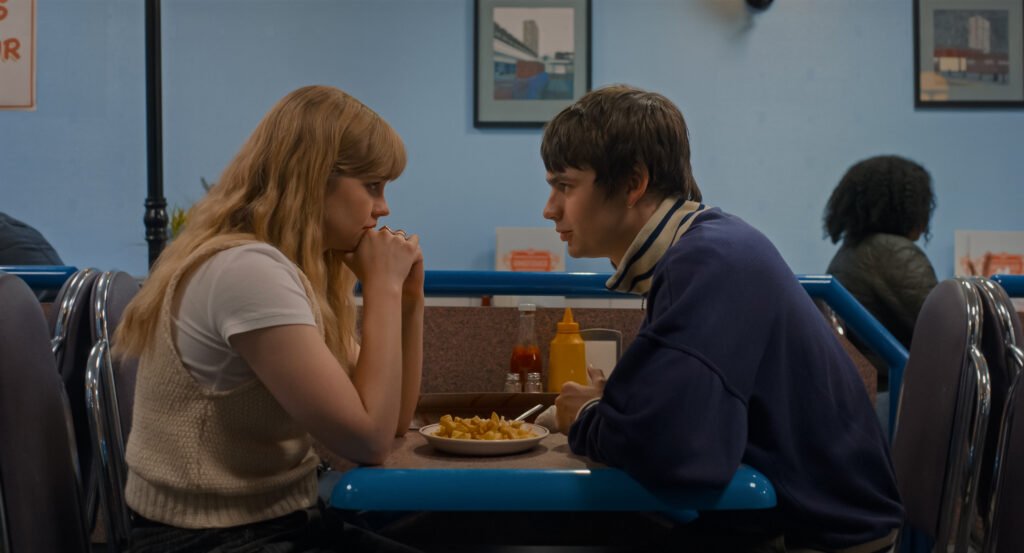
Story and Themes
The movie is based on the concepts of lost chances and coincidences. Such concepts are common for romantic comedies. The movie provides enough emotional basis for making it entertaining.
Self-discovery is one of the most interesting themes of the movie. The protagonists experience some problems connected with their ambitions and emotional life. Their stories can be recognized by many young people.
Timing is yet another subject in the movie. People chase their dreams, love, and other desires at once. This results in realistic emotions that arise from inner conflict, although not all actions might be considered perfect.
Idealization is another theme that plays a significant role in the film. The initial chase for Emily may be seen as a romantic idea. However, with time, characters start rethinking their understanding of love and success.
However, some themes receive stronger development than others. The film occasionally prioritises comedy over deeper exploration. Certain emotional beats feel rushed because of the story’s fast pace.
Despite these limitations, the emotional core remains effective. The film understands that romance works best when audiences care about character growth.
Directing and Visual Style

Credit: Matt Squire / © 2026 FOCUS FEATURES LLC And Universal Pictures
Alicia MacDonald is very confident in her treatment of the material and full of energy. Her directing technique combines humor and sincerity. This becomes particularly important since the movie moves from one to another all the time.
The university campus is used very effectively by MacDonald. There is no sense of decoration, but rather of an active and vivid environment. Crowd scenes add to the dynamics of the whole movie.
Relations among the characters receive much needed attention within the movie. MacDonald steers away from making romance the sole focus in favour of interactions and growth in the characters. The pace is high through much of the film. There are fast transitions between comedy and serious scenes. In some cases, this makes for excellent entertainment. In other cases, it hinders the development of more serious scenes.
Rachel Clark’s Cinematography
The cinematography by Rachel Clark also backs up Alicia MacDonald direction. The cinematographer successfully conveys the excitement and unpredictability in campus life through her visual techniques.
The use of wide shots allows for motion and chaos within the shots, while small events require close framings. This juxtaposition makes dramatic scenes work without overworking them.
The cinematographic techniques of camera movements are another important technique used to maintain pace. Lively events remain energetic without being tiring to watch.
The cinematography rarely draws attention away from performances. Instead, it quietly strengthens atmosphere and emotional tone.
Performances and Chemistry
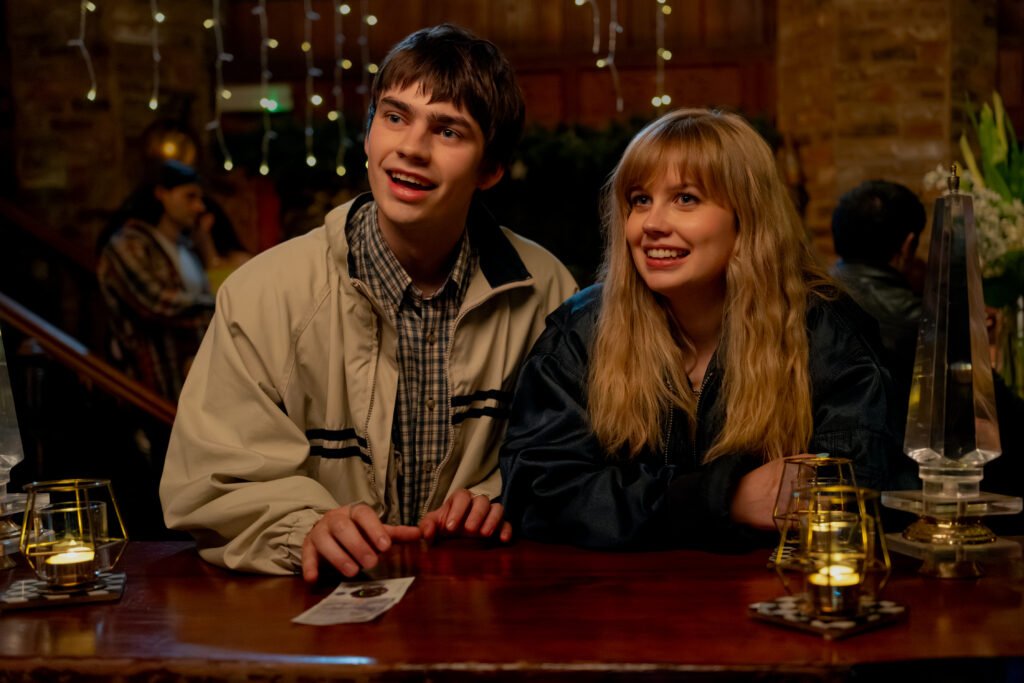
Romantic comedies depend heavily on performances. Without believable chemistry, even strong writing struggles. Fortunately, Finding Emily benefits from an engaging cast.
Angourie Rice delivers a performance filled with warmth and intelligence. She balances ambition with vulnerability naturally. Her quieter moments often become the film’s strongest emotional scenes.
She does not indulge in exaggeration, but rather underplays emotions so that they seem realistic and credible. This helps to establish a strong connection with the audience.
On the other hand, Spike Fearn perfectly supports her. He shows awkwardness, enthusiasm, and emotion very well through his acting. Spike Fearn’s sense of humor adds to the chaos of the scene. More important is his ability to make emotions believable.
Rice and Fearn share good onscreen chemistry together, developing their chemistry naturally as opposed to forced chemistry.
The supporting cast is aided by the experience and confidence brought forth by Minnie Driver. Driver’s portrayal provides counterbalance to the lack of certainty displayed by the rest of the younger cast members.
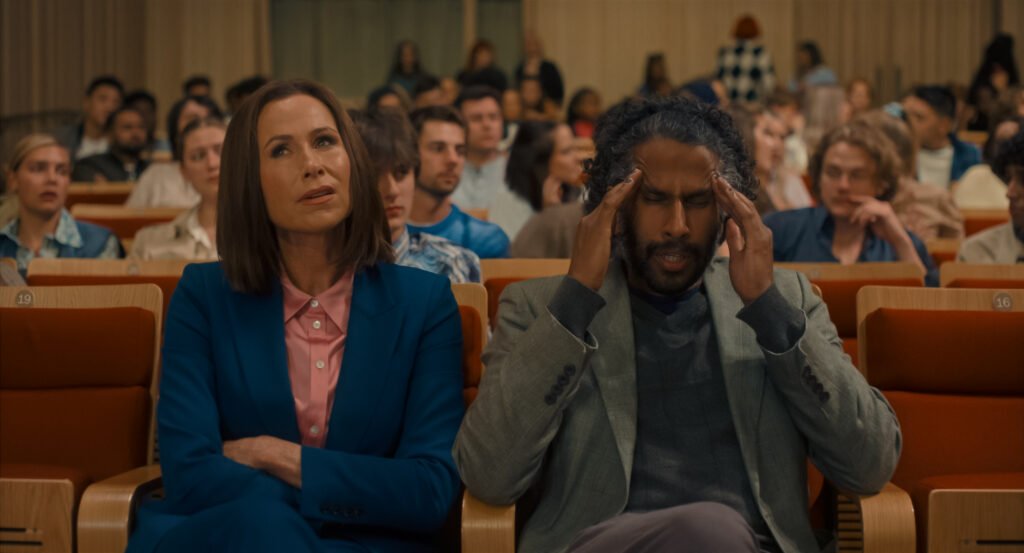
Strong performances ultimately become one of the film’s greatest strengths. They elevate material that occasionally follows predictable patterns.
Music and Emotional Impact
Music is crucial at every stage of the film Finding Emily. This is because one of the characters is a musician and this makes the soundtrack choice very personal. The soundtrack helps in creating emotion. Comic scenes require lighter tunes while gentler scenes require music to be intimate.
The use of music brings out the vibrancy of the campus scenes. Music helps in adding energy. Music also helps with the development of romantic sequences. There is nothing called an emotional scene that takes place independently of music. Rather, music helps in story telling.
However, there could be some audience members who would realize that music is being used deliberately to create emotions. This method is often times quite obvious. However, this does not always detract from its success because music is crucial to the narrative.
In the end, the use of music in the film serves as a significant characteristic of it. It creates mood as well as fosters character development.
What Works and What Doesn’t
A number of components mesh wonderfully together. Acting, music, and direction make for an enjoyable viewing experience throughout.
Character chemistry becomes the best aspect of the movie. Viewers become involved due to realistic relationships.
The setting on campus should not be overlooked either. It provides movement while stressing themes of change and development.
The use of music adds further personality. Not many romantic comedies incorporate soundtracks as effectively.
Thematic concerns include uncertainty and ambition. They provide more emotion within the film beyond comedy.
However, established genre elements may also inhibit creativity at times. Misperceptions of identities and unexpected alliances may be predictable on some occasions.
The pacing can be an issue on occasions. Quick action maintains excitement but detracts from emotional introspection.
A number of secondary storylines may have been better explored further. Certain themes may be better developed than others.
Still, these issues rarely undermine enjoyment completely. The film understands its strengths and focuses heavily upon them.
Final Verdict
Finding Emily is successful because of its sincerity in terms of emotion. It knows that good romantic comedy goes beyond just romance.
Humour, music, and characters work well together. Good performances make mundane stories better through charisma.
Alicia MacDonald is an assured and warm director. Her cinematographer, Rachel Clark, provides atmosphere through her skillful filming without being intrusive.
However, not all plot choices are unexpected. In fact, some of the emotionally charged scenes might have been made more profound.
Nevertheless, the movie is always interesting to watch, thanks to its optimism and emotional authenticity.
While Finding Emily might not be reinventing romantic comedy, it definitely succeeds in being a good and heartwarming movie.
The campus romance is definitely a great source of warmth, comedy, and great acting.