Backrooms 2026 Movie Review
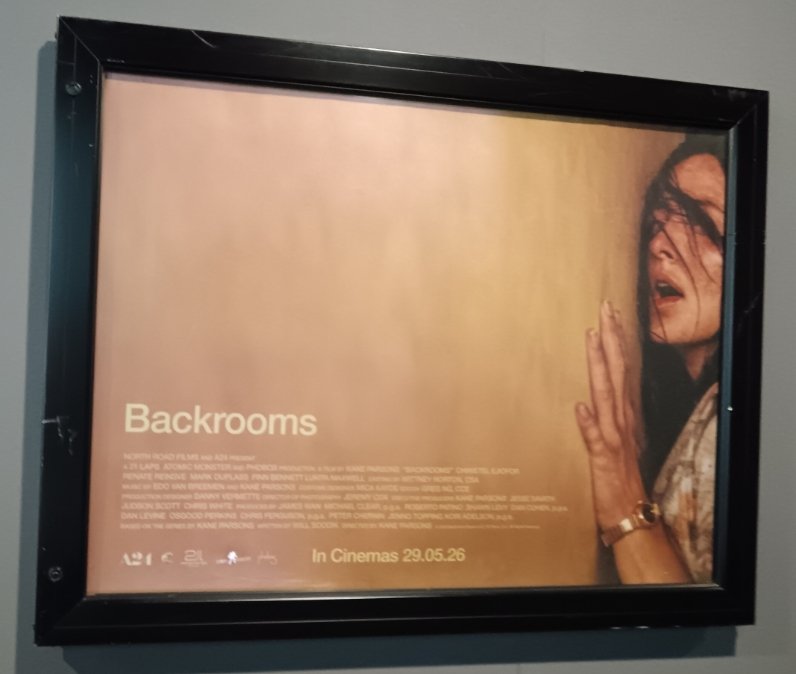
Backrooms (2026): An Ambitious Horror Experience With Uneven Execution
Internet horror has really taken a grip on modern movies, and “Backrooms” aims to turn that genre into a full-length psychological experience. It’s also Kane Parsons’ first try as a director, based on his popular web series and a well-known creepypasta tale. With the backing from James Wan and Oz Perkins who both served as producers on the movie, the series was able to move from the web to the big screen.
The story is about Clark, who owns a furniture shop, and Mary, his therapist. They stumble upon a never-ending dimension below the store’s basement. This bizarre space with its repeating rooms and creepy settings warps their sense of reality in crazy ways.
The film blends sci-fi with psychological terror and leans hard on building mood and telling the story through visuals. Still, relying too much on atmosphere can leave some scenes dragging. “Backrooms” nails certain bits but has trouble in others.
Directorial Style and Creative Decisions

Kane Parsons faced a tough challenge with this adaptation. His web series was all about short videos and brief storytelling, but feature films need a stronger structure and longer attention spans.
In his film, Parsons focuses on atmosphere rather than typical horror tricks. He uses long shots and quiet moments really well. A lot of the scary parts come from eerie visuals instead of big jumps. This keeps the unique vibe of the original series intact.
Endless corridors in the movie bring out strong feelings of isolation. In empty spaces, there’s a creeping threat that builds up due to repetition and size. Parsons gets that the setting can do a lot of the monster’s job. His world-building stands out as one of the best parts of the film.
That said, some creative choices backfire. The constant mystery sometimes makes things unclear. There are moments that feel purposefully vague and don’t add much. This can make it harder for viewers to care what happens.
Overall, moving from internet horror to a full-length film worked partially. Parsons kept the unsettling mood from the start. Yet, the longer format shows weaknesses in pace and structure.
Parsons demonstrates confidence and ambition for a first-time feature director. He impressively tells stories through visuals. Yet, his narrative control falters at times, leading to viewer confusion.
Cinematography
Jeremy Cox‘s cinematography significantly drives the film. Before characters speak, the visuals build tension; empty rooms turn eerie because of how they’re framed and composed.
The movie relies a lot on wide shots, highlighting scale and loneliness. Characters look tiny against their massive surroundings, stirring up powerful emotions of vulnerability.
Slow camera movements heighten the tension slowly, while static shots make you really notice unusual environments. There’s hardly any comfort offered to the viewer; it makes the psychological horror stronger.
Artificial lighting adds to the chilling mood too. Fluorescent lights generate sterile spaces that feel off-putting. Repeating structures enhance an in-between, uncertain feel which makes regular places seem menacing.
These techniques can get repetitive though. You see similar spaces throughout the film, which makes extended sequences feel less varied at times. This can reduce tension in longer scenes.
Still, the cinematography is really impressive. Cox turns simple spaces into psychological threats, making the visual design one of the film’s best parts.
Themes and Story
Backrooms delves into isolation and uncertainty, where fear of unknown spaces powers the horror. These environments reflect emotional and psychological traps.
In the film, the idea of in-between spaces is key. How known settings turn bizarre due to repetitiveness and emptiness generates unease, yet it skips traditional scary visuals.
Despite clear themes, the story can be confusing. It favors mood over explaining stuff directly; several plot twists lack proper context too.
Character motivations can be murky at times, and the rules for the odd dimension are pretty unclear. This leads to confusion in some scenes instead of adding to the mystery. Knowing the original web series could help make more sense of things, because fans will spot visual references and familiar concepts. But new viewers might have a harder time following along.
The film does aim for ambiguity for artistic reasons, but at times it goes overboard and less about emotional engagement and more about baffling the audience. In the end, the movie works better as an atmospheric experience rather than a coherent story. If you prefer stories with a clearer narrative, you might leave the film feeling let down.
Performances
In the film, the cast deals with tough material, making atmospheric horror the norm. Since there’s not much space for traditional character development, the performances need to be spot-on.
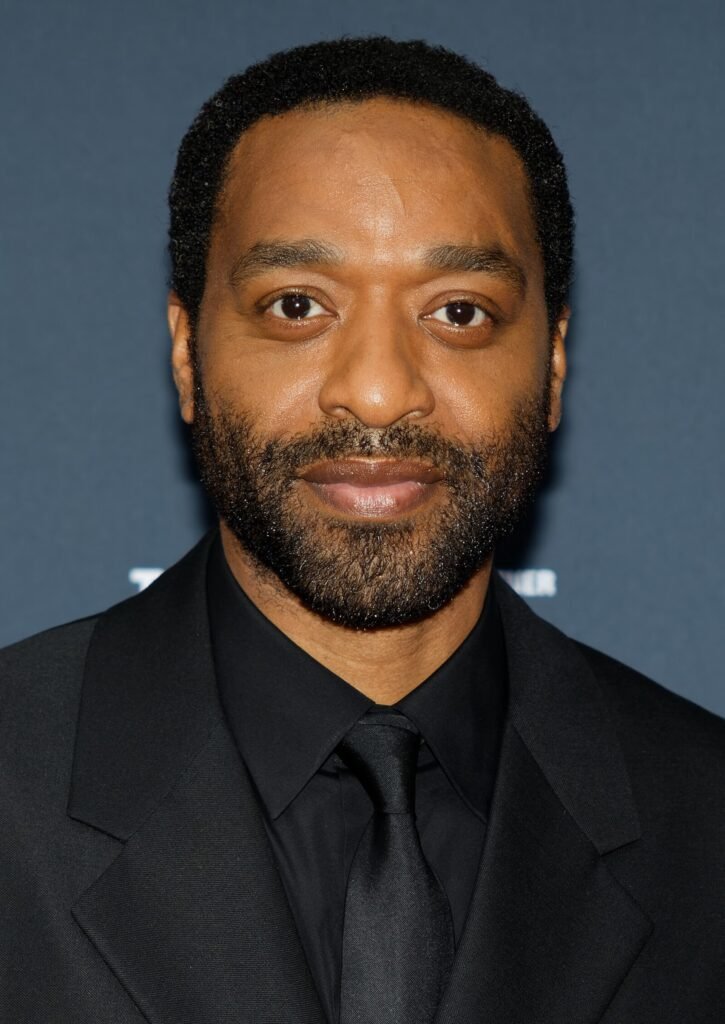
Chiwetel Ejiofor’s acting as Clark varies. He handles the emotional parts okay, and his confusion and frustration can be pretty convincing at times. But some scenes come off as unintentionally funny. His reactions in serious moments can be a bit over-the-top. This ends up loosening the grip a bit and, whether on purpose or not, it’s distracting.
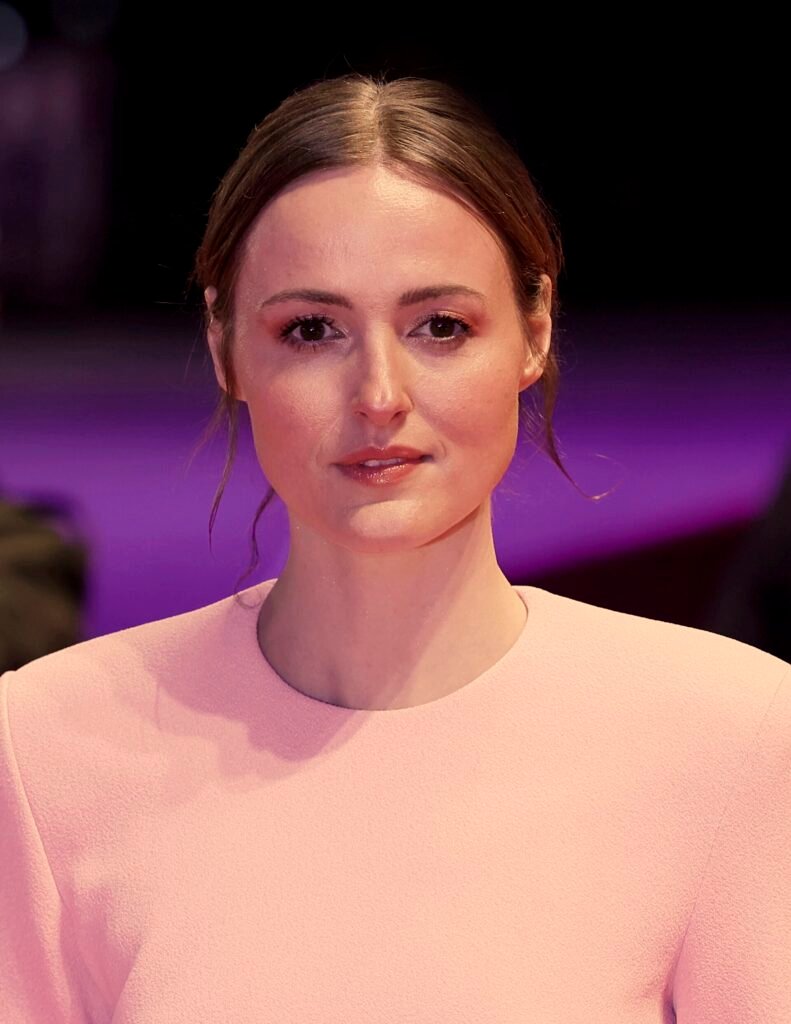
Renate Reinsve gives the better overall performance. Her portrayal of Mary is natural and convincing, grounding the film emotionally during abstract parts. Her believable reactions help audiences stay connected during confusing scenes. She offers vital emotional stability throughout the story. While performances are mixed, the stronger ones support the weaker narrative bits.
Pacing and Structure
Pacing is one of the film’s biggest weaknesses, and its structure feels really uneven throughout.
The beginning drags on quite a bit, focusing a lot on character development and atmosphere. This can get pretty frustrating because some scenes drag out, and tension isn’t built up like it should be.
That slow start does have its perks though – viewers connect better with the characters and the settings feel more real.
But the film’s stronger momentum comes too late. It spends way too much time setting up its ideas, so the narrative progress feels delayed.
The second half brings a different set of issues. Things move super fast, and important events pile on quickly.
This change creates an imbalance in the structure. The conclusion feels way rushed compared to the start. The emotional moments don’t get enough time to develop either.
Overall, this uneven pacing reduces enjoyment. The film drags early and races through the ending. Finding a better balance would make a big difference.
What Worked and What Didn’t
Backrooms really nails its atmosphere; the unsettling environments are done perfectly. The visual storytelling works too—cinematography and production design come together to make those eerie, distinct spaces.
Parsons should be credited for aiming big and steering clear of typical horror tropes. Still, the story is hit or miss. At times, it gets way too confusing without adding much clarity.
Pacing problems also reduce effectiveness; slow scenes drag on, while important moments fly by, weakening the emotional impact.
The movie is also tricky for new audiences. Existing fans might love the references and detailed world-building, but newcomers could feel left out or confused.
Plus, the acting quality varies a lot. Some scenes really pull at the heartstrings, while others end up being unintentionally funny.
In the end, the film shines when making viewers uncomfortable but really struggles with how the story is told.
Overall Verdict
Backrooms is an ambitious debut feature by Kane Parsons, who excels at visual storytelling and creating atmosphere. Still, strong visuals can’t fix everything; the storytelling is often unclear, and the pacing is inconsistent.
The movie is great for atmospheric horror but falls short in structured storytelling. Enjoyment heavily depends on expectations. Fans of experimental horror will like it, while those expecting a clear narrative might be let down. Despite its issues, it leaves an impression.
Parsons shows plenty of potential for a first-time feature director. While Backrooms is more about the atmosphere than the plot, it still manages to create a unique horror experience.