Passenger Movie Supernatural Horror Review
Introduction
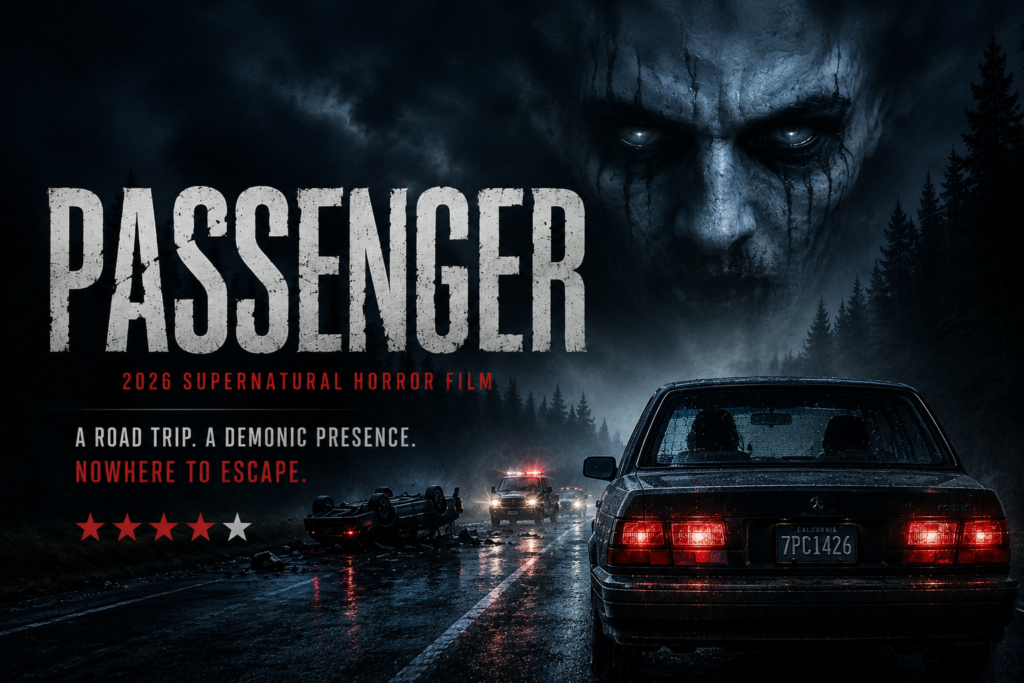
Supernatural horror relies on atmosphere, tension, and fear. “Passenger” tries to blend all these elements for a creepy ride. André Øvredal directs this film about a young couple whose road trip turns into a horrifying journey after seeing a terrible accident. With Jacob Scipio, Lou Llobell, and Melissa Leo, the movie builds a tale centered on fear, isolation, and emotional strain.
It dives into supernatural terror using loneliness and psychological distress. The filmmakers aim to keep you on edge via eerie ambiance not constant shocks. They focus on making viewers feel emotionally uneasy. This review will look at how well those choices work.
Directorial Style and Horror Techniques
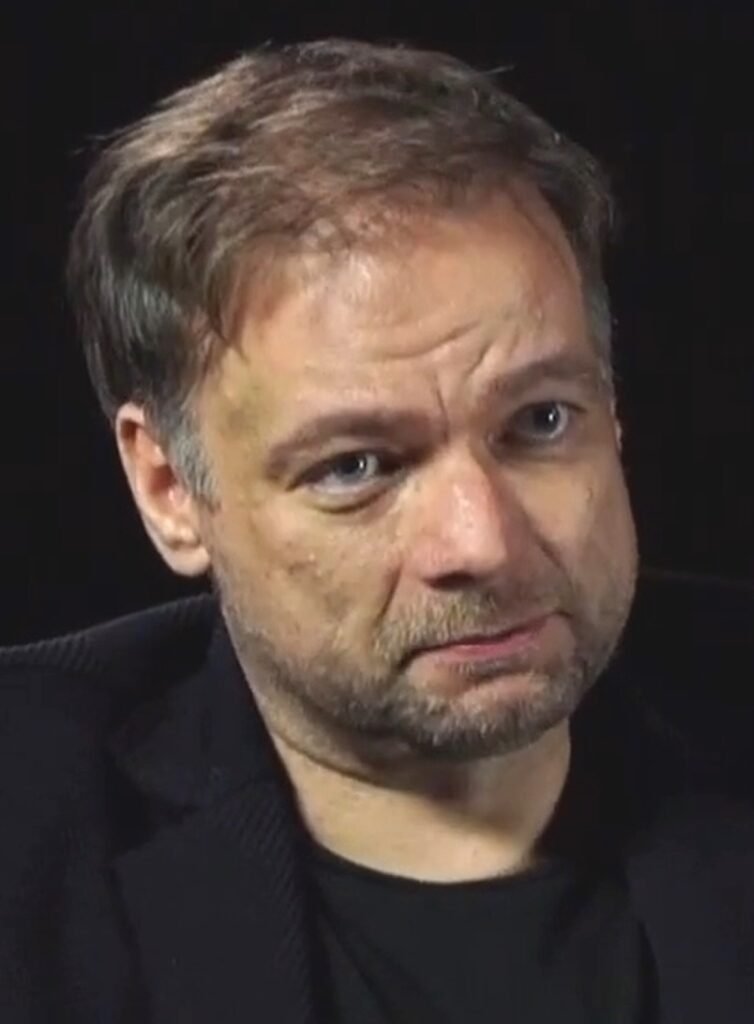
André Øvredal makes horror movies by focusing on mood and the pace of the story. He chooses building slow tension over big shock jumps. This results in a suspense that grows as you keep watching. Lots of scary films go for quick jolts, but “Passenger” plays those up less. Its approach makes the real frights hit harder.
The film also has a cool road setting that adds to the suspense. It’s long and empty, making characters seem exposed and unsure. Yet their surroundings look wide open, creating a neat conflict. Silence becomes a powerful tool here too; quiet parts can get super creepy compared to louder scary sequences.
Also, the spooky thing in the story gets shown little by little. This way, viewers get intrigued and scared at the same time. Not knowing the full danger amps up the eerie vibe for sure. Still, some quiet bits drag since the pacing sometimes moves too slowly. Yet despite that, he keeps the tension going from start to finish.
Cinematography and Visual Atmosphere
Federico Verardi‘s cinematography sets the film’s mood. It makes you uneasy before any actual supernatural stuff comes up. Dark colors dominate lots of scenes, backing the overall grim vibe. Lighting is key too; low-key lighting keeps things unsure and characters hidden in shadow, adding to the creepiness.
This technique amps up tension and makes you feel visually uneasy. Wide shots often show lonely roads and deserted spots, emphasizing isolation and vulnerability. The contrast between vast open areas and tight car spaces hits hard. Vehicles end up feeling like temporary prisons for the characters.
Close-ups are reserved for the most emotionally charged moments, really capturing anxiety and fear. Camera movement adds to the scary vibe too. Slow tracking shots in quieter parts crank up the suspense. Lingering shots make you dive into the frame, looking for threats. It all builds anticipation smoothly.
Off-centre framing keeps showing up in the film, creating an imbalance that makes you feel uneasy. You hardly ever know what’s going on because of restricted visibility too. This adds to the creepy vibe. With Verardi’s cinematography, normal places become scary. The visuals are definitely one of the movie’s best parts.
Themes and Story
At its core, Passenger explores trauma, guilt, and psychological fear. These themes back the supernatural storyline. The main accident serves as a plot device and an emotional trigger. It shows that escaping trauma is really hard. The road-trip setup emphasizes this through its characters, who stay emotionally stuck even as they keep moving. This journey highlights their isolation too.
Big spaces usually don’t add comfort in storytelling. Instead, emptiness makes things seem scary and unsafe. The story gets us invested in the main couple’s relationship. We get to know their fears, which makes their freaked-out moments feel real. This keeps the suspense up as weird stuff ramps up. The supernatural tale keeps you guessing throughout the movie, but it also follows predictable horror plots at times, so it feels a bit too familiar.
Experienced horror fans might guess some plot twists, which can lower tension in certain scenes. Plus, character development is sometimes lacking, so some emotional conflicts deserve deeper exploration. Still, the story stays engaging, and its emotional themes really enhance the supernatural storyline. The film does a good job balancing both psychological and supernatural horror.
Performances
The performances keep the film’s emotions real. Jacob Scipio nails his intense moments, and Lou Llobell adds depth to already tough scenes. Together, they have chemistry that makes their relationship seem genuine and not staged. Their natural connection makes us care more about the story.
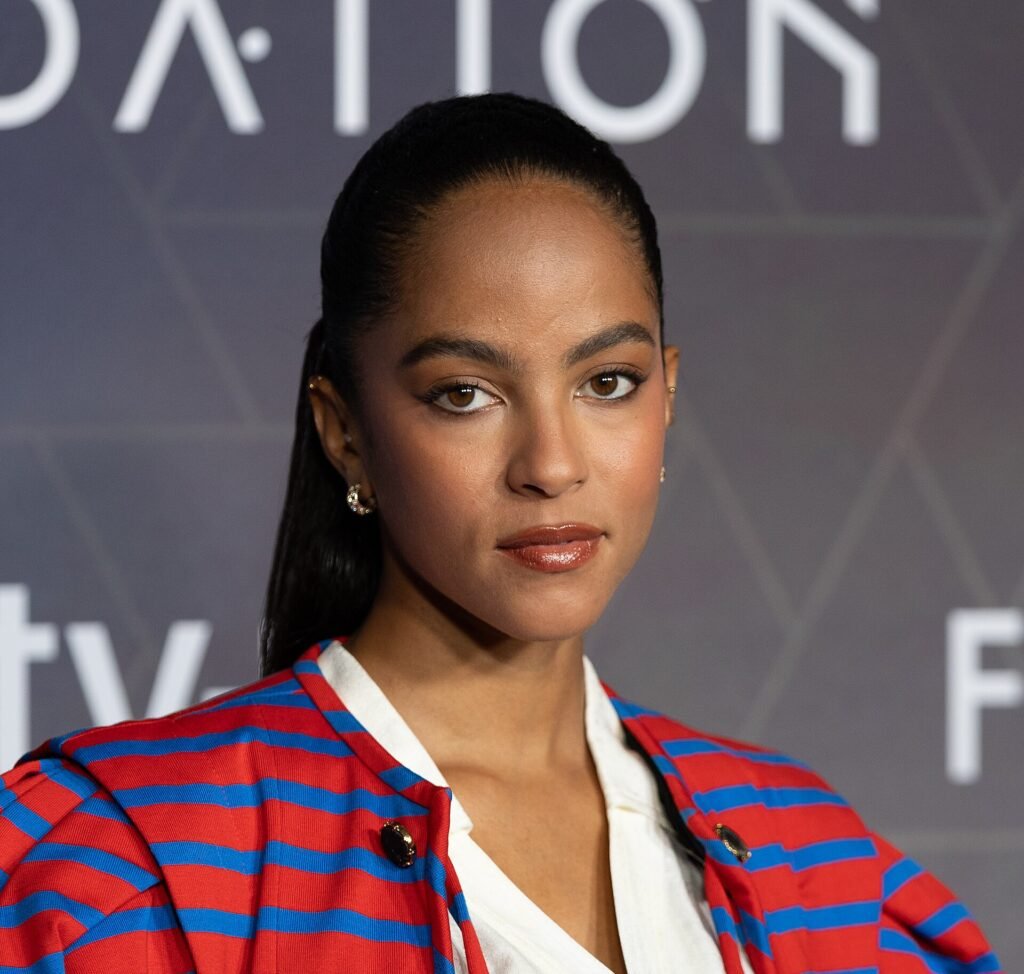
By Amy Martin Photography
©Creative Commons Attribution-Share Alike 4.0
Melissa Leo adds extra emotional depth. Her intensity ramps up crucial scenes too. Plus, she brings tons of experience and confidence to her role. Many actors depend on subtle expressions, not over-the-top reactions – which fits the movie’s psychological vibe perfectly.
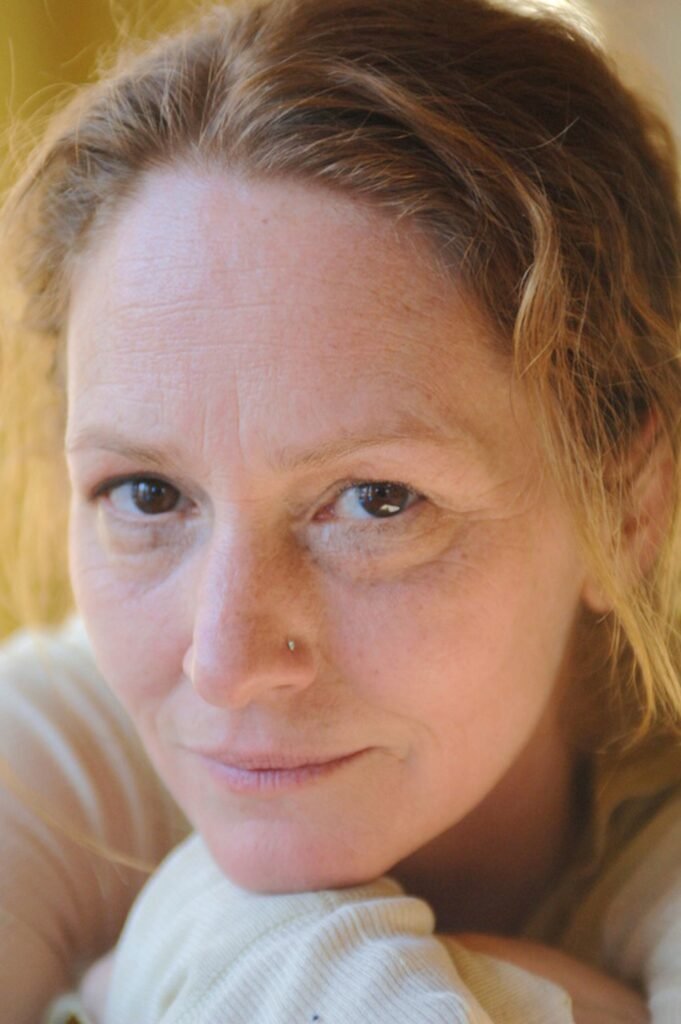
Fear usually shows up in silence and body language. Those quieter moments are pretty convincing too. Some supporting characters aren’t fully developed though, which sometimes limits the emotional punch. This seems more tied to the script rather than the actors’ skills. Overall, the cast does a great job enhancing the scary vibe and building tension.
What Worked and What Did Not
The atmosphere is the film’s biggest win. Every technical aspect backs up the feelings of discomfort and unease. The cinematography keeps you on edge visually, while sound design amps up suspense in quiet scenes. The isolated setting really works from start to finish. The director nails psychological horror throughout.
The performances make the emotions feel real, so we get why characters are overwhelmed. The mystery around supernatural stuff keeps us guessing and thus hooked. But, at times, originality takes a hit, making the story predictable, which isn’t ideal.
Many storylines feel familiar, and some scenes follow typical horror patterns, which lessen the overall effect. The pacing is off at times too; certain parts drag on, disrupting the movie’s flow. Also, character development could use work – some emotional arcs aren’t fully realized. Still, despite these downsides, the film works well overall, and its strengths eclipse its limits.
Overall Opinion
“Passenger” works great as a spooky, supernatural horror flick. Its best features stem from amazing tech skills and keeping you on edge emotionally. Director André Øvredal makes you uneasy with clever choices. Federico Verardi’s camera work ups the creep factor big time. The actors make you believe the weird stuff happening, too. Plus, themes of trauma and loneliness give the story more substance.
Still, it doesn’t fully revamp the supernatural genre. Some bits feel predictable, and certain characters could’ve used more backstory. Even so, it stays gripping. It keeps that eerie vibe going, and the scary parts really hit home. Overall, it nails being creepy and tense in almost all scenes. So while there’s room for improvement, the movie hits way more wins than losses. In the end, it’s got a solid spot in modern horror entries.