Downton abbey The Grand Finale Review
Introduction to Downton abbey The Grand Finale Review
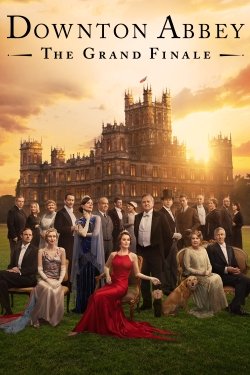
Downton abbey The Grand Finale arrives as a heartfelt conclusion to a beloved saga. Moreover, expectations surrounding the film have been incredibly high. From the opening scenes, the film blends nostalgia with quiet uncertainty. Therefore, longtime fans immediately feel the emotional weight of this final chapter. Directed by Simon Curtis, the film honors its legacy while embracing change. As a result, it feels both intimate and cinematic in scope.
Cast Performances and Character Arcs
Credit: Rory Mulvey / © 2025 FOCUS FEATURES LLC
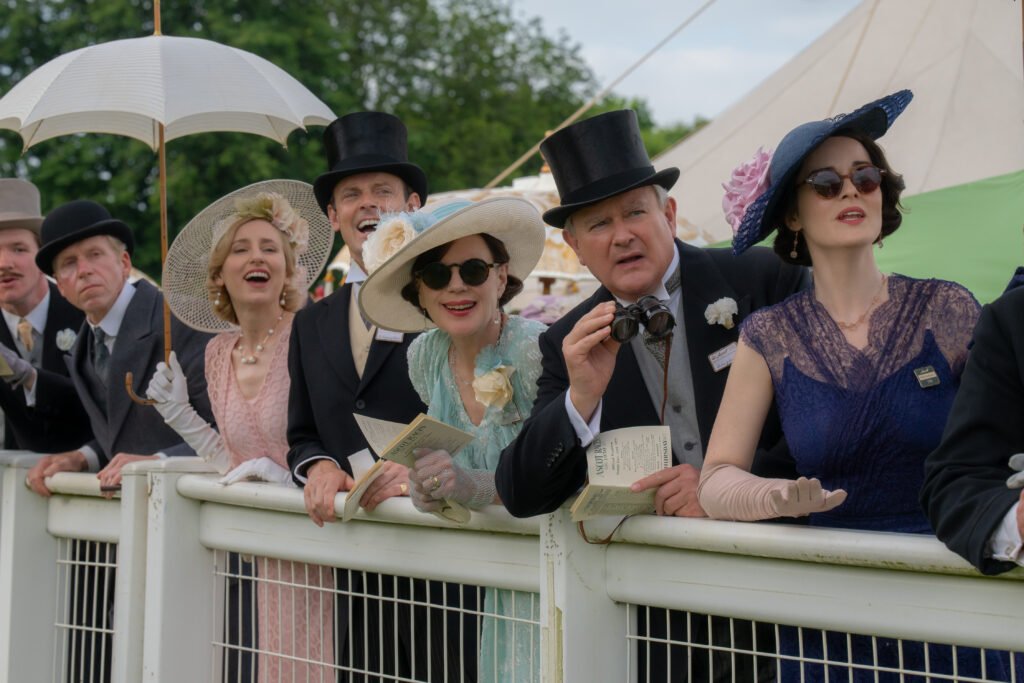
The returning ensemble remains the heart of The Grand Finale. Hugh Bonneville delivers quiet strength as Robert Crawley. Meanwhile, Elizabeth McGovern brings warmth and intelligence to Cora. In addition, Michelle Dockery commands the screen as Lady Mary. Her leadership arc reflects the pressures of a changing world. Likewise, Laura Carmichael portrays Edith with renewed independence.
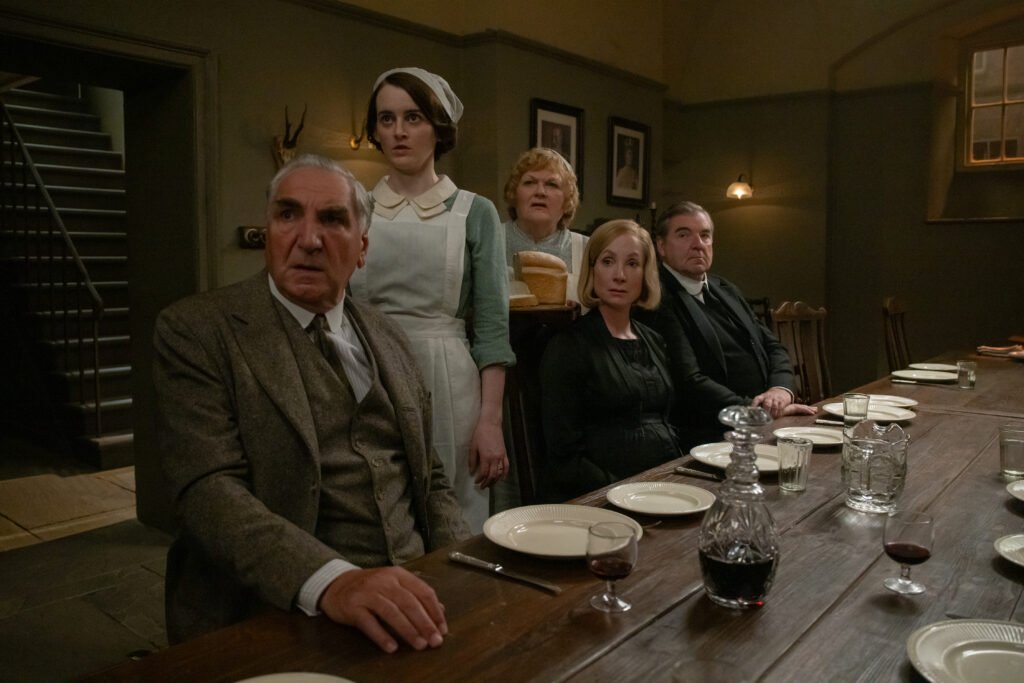
Below stairs, emotional depth continues to shine. Jim Carter and Phyllis Logan provide grounded sincerity. Additionally, Brendan Coyle and Joanne Froggatt maintain heartfelt authenticity. Together, the cast ensures the film, never feels like mere nostalgia.
Credit: Rory Mulvey / © 2025 FOCUS FEATURES LLC
Themes of Legacy, Change, and Family Conflict
Legacy stands firmly at the center of the film. Tradition confronts modern reality throughout the narrative. Consequently, generational tensions create meaningful emotional stakes. However, the screenplay avoids melodrama. Instead, conflict unfolds through conversation and reflection. Therefore, character growth feels organic and earned. The film, ultimately argues that adaptation ensures survival. This thematic focus gives the film depth beyond surface elegance.
Cinematography, Production Design, and Musical Score
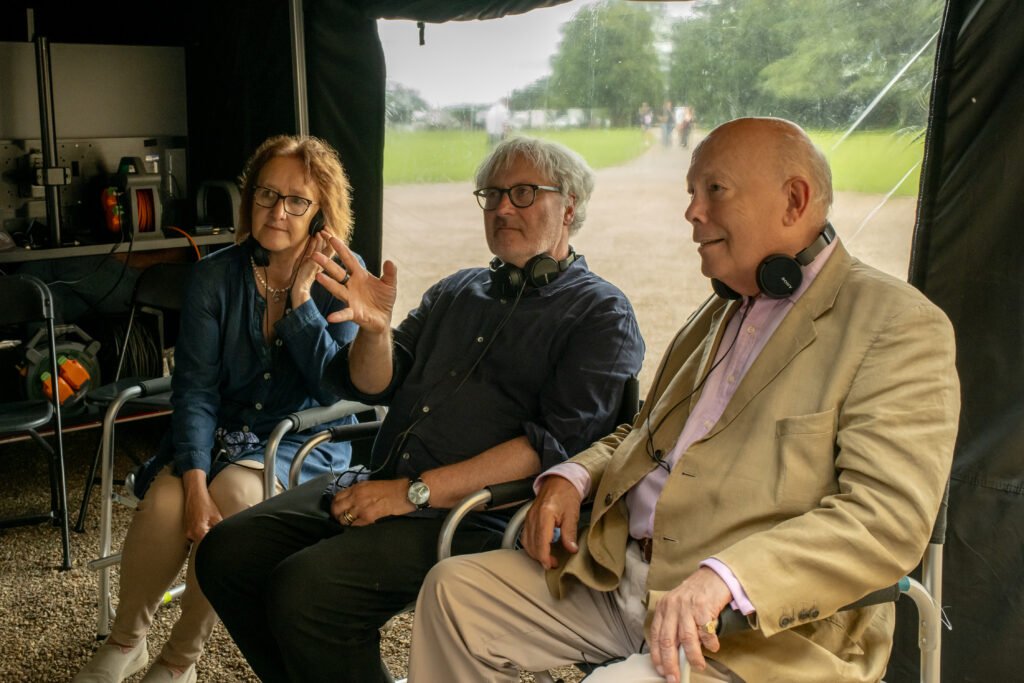
Credit: Rory Mulvey / © 2025 FOCUS FEATURES LLC
Visually, Downton abbey The Grand Finale remains stunning. Sweeping estate shots emphasize timeless grandeur. Meanwhile, intimate close-ups capture private vulnerability. Costume design subtly tracks personal evolution. Color palettes shift as responsibilities grow heavier. Thus, historical detail strengthens emotional storytelling. The orchestral score further elevates dramatic impact. Soft motifs evoke memory and longing. Then, swelling crescendos celebrate resilience and hope.
Emotional Highlights and Narrative Pacing
The pacing remains steady and deliberate throughout the film. Scenes transition smoothly between upstairs and downstairs. As a result, no storyline feels rushed or abandoned. Several moments deliver profound emotional payoff. Quiet exchanges often resonate more than grand speeches. Moreover, final resolutions emphasize dignity over spectacle. The film provides closure without sacrificing realism.
Final Verdict
The film stands as a graceful cinematic farewell. Under Simon Curtis’s careful direction, the ensemble delivers layered performances. Furthermore, themes of duty, identity, and resilience remain compelling. Most importantly, it rewards loyal viewers with meaningful closure. It honors the past while cautiously embracing the future. Ultimately, it proves that endings can feel both satisfying and hopeful.