Fall 2: Deadpoint Review
Introduction
When Fall premiered in 2022, it turned a basic survival concept into a very effective thriller. Two women scaled an abandoned TV tower and were suddenly stuck hundreds of meters off the ground. Simple as it was, that basic premise proved to be the movie’s strength.
Fall knew that its viewers did not need a complicated plot in order for them to experience real fear.
All it had was height, isolation, few supplies, and two desperate people. The movie turned out to be an underground hit thanks to streaming platforms.
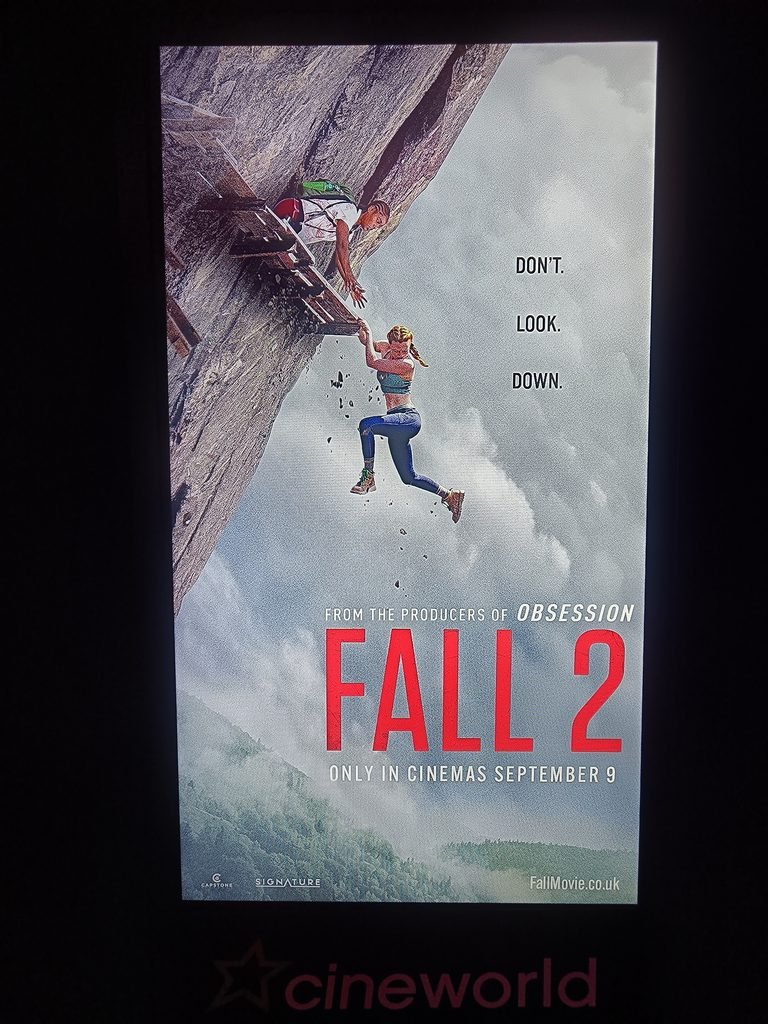
Fall 2: Deadpoint, tries to achieve the same effect by extending the franchise. Now the threat shifts from one tower to a perilous mountain trail in Thailand.
Fall 2: Deadpoint is made by directors The Spierig Brothers, replacing the original director, Scott Mann. The problem becomes obvious right away.
How do you create a movie about people trapped at an unimaginable height without copying the original?
The solution is to move the setting but maintain the terror.
Returning to the World of Fall
The first Fall worked because it was such a clear idea. Two people climb a place they should never have climbed. Now they are stuck with no safe place to go anywhere.
It was somehow cruel how simple the concept was. Every step toward escaping only led to more problems. Every move might end in death.
This idea was a unique rhythm of the original movie. Everyone saw that there were no safe places to run from the height.
In Fall 2: Deadpoint there is an intention to save this feeling. However, it understands that it would be repetitive just to put new people climbing another tower.
Therefore, in Fall 2: Deadpoint we meet Jax Hunter, played by Harriet Slater. Jax is still dealing with the death of her sister, Shiloh, from the first film.
The emotional tie between the two movies is much stronger in the sequel. It is not a story of strangers who want to find a new adventure for themselves.
Jax is looking for the answers regarding her sister. Moreover, she is trying to find the way of living with the guilt of their last argument.
That emotional background gives the sequel a reason to exist beyond another trip into the clouds. Finally, Jax meets Luce, portrayed by Arsema Thomas.
Luce says she knew Shiloh and wants to give Jax the opportunity to follow the path that her sister had planned to take.
This involves traveling to Thailand and the perilous Mount Kwan. It is significant that the storyline has been removed from the tower that was featured in the first movie.
This allows the filmmakers to develop their own visual challenges.
Why Make a Second Fall?
The obvious reason for making Fall 2: Deadpoint is the success of the first film. The original developed a strong following despite its modest production and straightforward premise.
Such success would definitely give rise to the need for another story.
However, success of such nature does not necessarily mean that the sequel will be good. It is important for the directors to come up with an idea of why people should watch the movie.
Jax is their way of providing this reason. She is connected to Shiloh and makes it clear that the first movie was still important. Events that took place in Fall did not just disappear when the movie was finished.
There is emotional continuity between the movies which is quite interesting.
It could have been quite an easy task for the directors to create two completely new characters who had nothing to do with the first movie. However, the connection between both of them was used in the second film.
It does not force viewers to remember everything that happened in Fall but gives them a chance to at least see the link between them.
The creators have also recognized the problem of creating a sequel that feels familiar without being too similar to the original movie. This film had an inherently vertical threat.
The sequel offers a new kind of horizontal threat, in which the characters have to navigate through a dangerous passage.
At first glance, this may not seem like much of a difference, but it presents new possibilities for creating tension.
The challenge is not just how they can reach the bottom. The new question is whether they can keep moving before the pathway collapses under their feet.
From the Tower to Mount Kwan
The most significant strength of the new film is the fact that it succeeds in building up the threatening environment.
In the original film, the tower was scary because it was fixed, small, and exposed. Mount Kwan represents another type of horror.
The main characters should work in an environment that involves wooden planks, unstable surface, huge distances, and changes in weather.
There is also the issue of movement that was much less developed in the first film. The characters are not just stuck at one spot. They should keep moving.
This is a rather advantageous element that gives the film the right to play with the geography depending on where the characters are.
The central disaster happens in the form of rockslides that destroy a part of the route.
The main characters are left stranded at an incredibly fragile spot several thousand feet high. From this point, the film becomes what the fans expect from the first film – survival mechanics.
They should find ways to move. They should deal with the available resources. They should control their fear.
However, most importantly, they should not make one wrong move.
The Vertigo Effect
As with the first movie, the sequel grasps the physical pain of being too tall. The camera constantly puts us in the position close to the characters.
We see the fall. We see the tiny surfaces. We see how little separates the characters from the wide open space. This is where the movie shines.
One may forgive a survival thriller for the improbable plot as long as the danger feels imminent.
Fall 2: Deadpoint sometimes manages to do precisely that. There were times when I found myself responding physically to what happens on the screen.
The movie knows when to linger on the dangerous action. It also knows when the anticipation is more powerful than the actual fall.
This is something that the first Fall managed very well indeed. The viewer frequently understands that something bad might happen before the characters do.
And this builds a terrible feeling of anticipation. You wish they would stop. But they do not. You wish they would turn back. But they do not.
This simple fear is among the greatest assets of the franchise.
The Performances
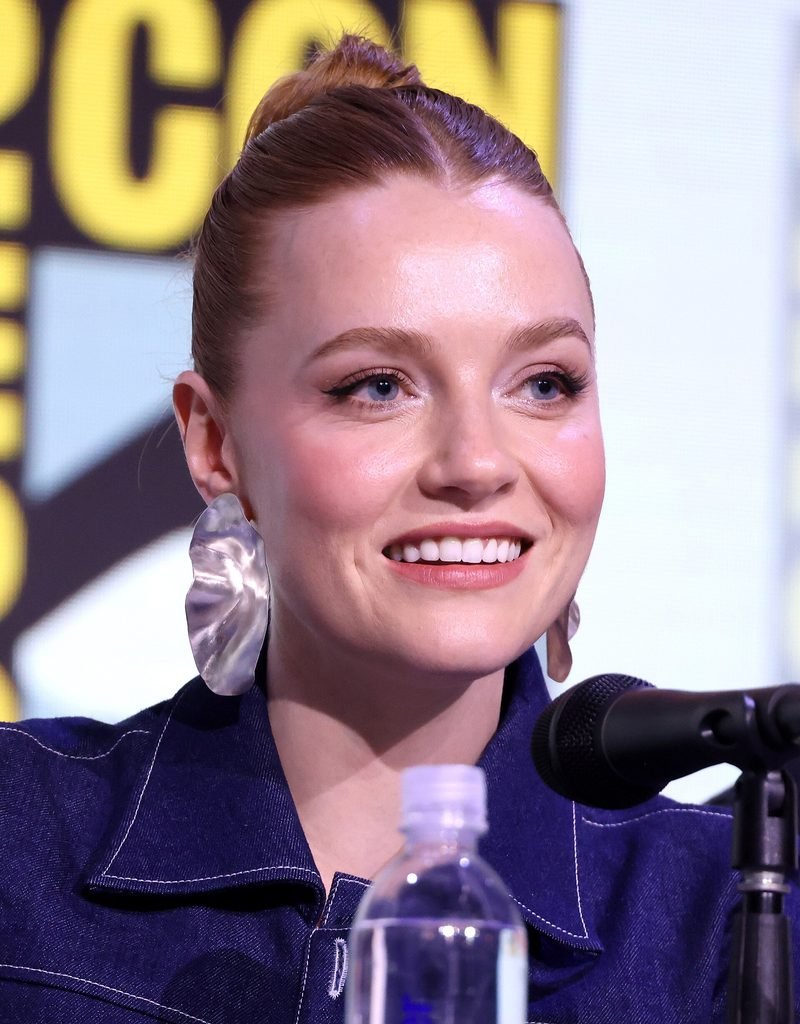
The emotional base provided by Harriet Slater helps distinguish Jax from the characters of the original. Jax is not fearless.
On the contrary, her fear plays an important role in the plot. The girl is grieving, distressed and eager to understand what has happened to her sister.
It gives Slater more room for work besides being afraid.
Arsema Thomas provides another quality to Luce. Their relationship gains importance with time along with the worsening situation.
The characters have different personalities that help to avoid clichés in their relationship. There also comes an interesting question about whether they can trust each other.
It gets more important as the dark aspects of the film appear. The chemistry of the leads does not compensate for some flaws of the screenplay.
However, their performance helps to preserve the emotional aspect of the film amid the complicated plot development.
When the Story Becomes Too Complicated
This is where Fall 2: Deadpoint becomes less convincing. In the original film, the main focus lied in survival.
The plot was easy to grasp. The characters were in trouble. They had to get out of trouble. Each step was important.
In the sequel, many additional things are introduced. There are secrets, unexpected discoveries, criminal aspects, and a drug cartel.
All this is aimed at enriching the plot. Yet it can also become a distraction from what made the original movie appealing.
To me, the film seems more successful when there is nothing extra. When there is someone standing on a narrow plank at a height of thousands of feet.
It does not have to be something else additionally revealed. The more the plot diverges from the survival scenario, the more the events become artificial.
Yet it does not mean that all the twists are useless. Some of them are just funny due to their exaggeration.
This is not a film requiring realism. This is an extreme survival thriller aimed at keeping the audience tense.
However, there is a difference between embracing absurdity and allowing the story to become unnecessarily complicated.
At times, Fall 2: Deadpoint gets close to crossing that line.
The Balance Between Reality and Spectacle
One of the most crucial questions regarding a film of this kind revolves around the visual effects. It is important that the danger looks convincing.
In case the viewers can immediately recognize the artificiality of the environment, all suspense will be gone.
At times, the film looks convincingly scary. The feeling of height is extremely powerful. There are also other instances when things look constructed.
That difference can sometimes undermine the illusion. The original film was successful thanks to the simplicity of the location.
The tower was impressive enough without being an impressive fantasy world. The sequel has more spectacular locations to make the audience believe.
This adds to the spectacle, but there is also more room for illusion to break down. For me, this is one of the aspects where the sequel fails to live up to the original.
However, the filmmaking manages to be effective when it focuses on the characters and not on the landscape.
Close-up of hands losing their grip can be scarier than a big digital scenery. Shaking foot can cause more suspense than an expensive visual effect.
It is all about understanding that fear comes from closeness.
The Problem With the Twists
The major flaw of the script is in the fact that some of its twists were made for the sake of continuing the franchise and not developing the plot.
The first Fall had some twists as well.
But the major survival scenario was still the center of attention. In this film, the plot goes further. It can be understood.
The sequel should be fresh. But sometimes big doesn’t have to mean good.
Some plot elements in Fall 2: Deadpoint fit more into the thriller movie rather than into the survival one.
Personally, I could have wished to see more the mountain whenever the plot got too complicated.
It speaks a lot about the real strengths of the film. The mountain is the main character. The height is the main character.
The physical survival test is the main character. All else works perfectly when complementing these elements.
What Works Best
The best parts of Fall 2: Deadpoint come from the scenes where Jax and Luce face immediate danger. The film understands the simple enjoyment of survival films.
You see people try to do something impossible. Then you hope for a problem to occur. And then you wonder how they will solve it.
It is a simple recipe, but it still works very well. The weather provides one more tool in the hands of the filmmakers.
A storm and exposure create additional tension for an already impossible situation.
The characters cannot just wait forever. They need to make their choices while exhausted and scared. As a result, the film gets a ticking clock feel to it.
Moreover, there are several occasions in the sequel that successfully use the emotional impact of the first film.
Jax’s sorrow makes the mountain stand not only for danger. It also reminds her about Shiloh. Thus, the film receives an emotional meaning beyond surviving yet another impossible terrain.
What Does Not Work?
For me, the primary problem lies in the fact that the sequel is trying too hard to be grander.
The initial movie did not require a mythology at all. It did not require any elaborate criminal subplots.
It only required two individuals trapped in an unpleasant situation. That simplicity gave the original its effectiveness.
Fall 2: Deadpoint occasionally strays away from that simplicity. All those extra elements contribute to the entertainment of the film in certain parts.
However, at the same time, they make the movie less realistic. There are times when the movie expects viewers to believe in coincidence upon coincidence.
That gets distracting. The dialogue might also be uneven.
While some parts work to develop character, others serve solely to tell the next plot point.
This is especially true when the film takes its eye off survival action to give explanations. I wanted the film to return to the mountain.
The fact that the core thriller part was good enough to be considered an interruption is definitely not bad at all.
Final Thoughts
Fall 2: Deadpoint is a decent sequel that has managed to understand why audiences loved the first movie.
There are heights, danger, vertigo and an ever more challenging survival situation throughout the whole film.
There is also emotional connection between the franchise through Jax and her story with Shiloh.
However, the drug cartel subplot and other complications do not always add more depth to the story.
What makes the movie good is when it takes all of the unnecessary things away and leaves only the important one.
When it comes to two people and one almost impossible height, when every step becomes more and more dangerous and when there is only one mistake that can kill everyone.
It is when Fall 2: Deadpoint starts to become really exciting and gripping.
It might not have the fresh approach that the first Fall had, but there are enough new and interesting elements that make it a good sequel to watch.