How to Train Your Dragon 4DX Review
Introduction
There are certain movies that seem almost tailor made for 4DX.
As I become accustomed to 4DX, I have begun to appreciate its potential and where it is truly effective.
It is not going to enhance all films. But with the right blockbuster, the format becomes truly immersive.
Marvel films, for instance, during action scenes in particular.
Another example of a film that would benefit from 4DX would be high energy films such as Fast & Furious.
These are already full of movement, spectacular scenes, action, and excitement.
Adding 4DX to the scene is going to add another element to this physical experience.
How about How to Train Your Dragon?
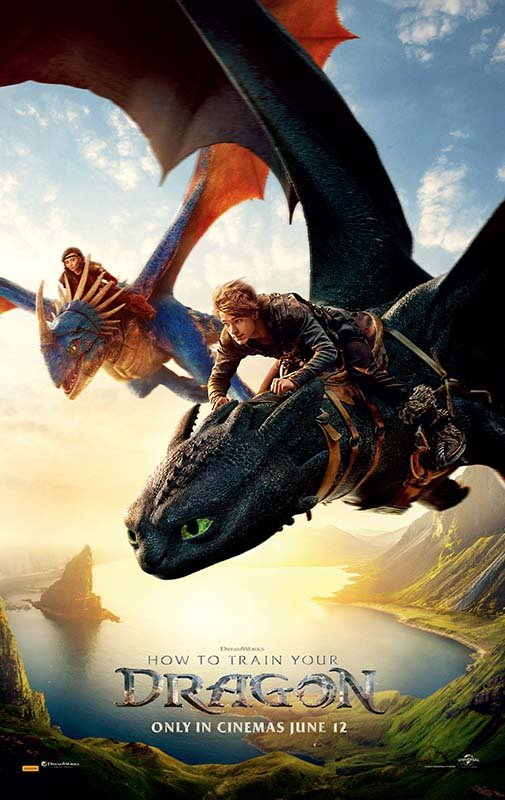
A film which includes dragons, flying, fire, fights and massive landscapes is a clear candidate for 4DX.
That is why I thought that Cineworld’s 4DX Rewind would give me the chance to check out how my theory holds up.
The fact that the movie was screened in 3D only added to the immersive experience. The question was whether it actually delivered.
The 4DX experience begins before the dragons
I was not prepared for how busy the cinema would be. Clearly, many other people had reached exactly the same conclusion about this screening.
Families turned up in large numbers.
There were also plenty of children, which inevitably changed the atmosphere inside the auditorium.
Unfortunately, the audience became one of the weaker parts of my experience. There were noisy eaters, conversations and children talking throughout parts of the film.
That made it harder to remain completely immersed. There was also an issue with the cinema staff that I found particularly disappointing.
Their manner towards me felt rude during several interactions. That included my experience purchasing the ticket and later being admitted into the cinema.
I understand that staff deal with large crowds and demanding situations. However, basic courtesy should still apply to every customer.
It sometimes felt like the screening was being treated exclusively as a family experience.
That overlooks the fact that adults can also be passionate fans.
People were there to enjoy the film and experience 4DX.
I believe this deserves a separate discussion.
For this review, I want to focus on what happened once the lights went down.
Dean DeBlois brings Berk into live action
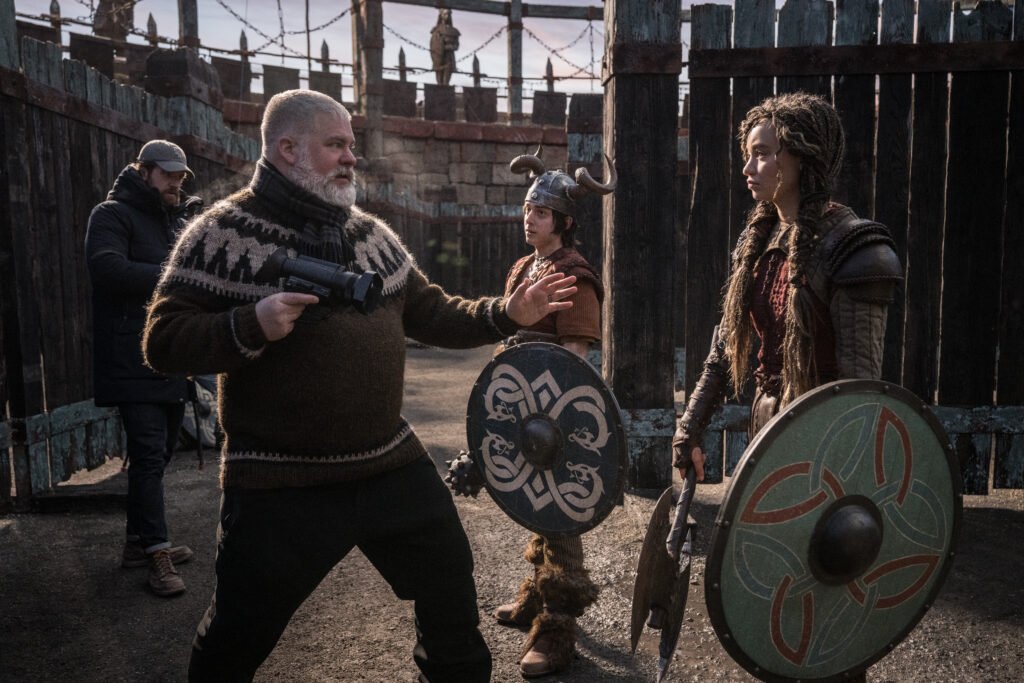
Director Dean DeBlois faced an interesting challenge with this adaptation. He was returning to a world he helped create through the original animated film.
This time, however, the characters and dragons needed to exist within a live-action environment. That creates a very different visual language.
The original animation could embrace impossible movement without questioning its physical reality.
The live-action version has to convince us that these creatures occupy the same world as the actors.
That is where the visual effects become particularly important. The dragons needed to feel like creatures rather than digital creations.
For the most part, I think the film achieves that. Toothless is particularly effective.
His expressions retain much of the personality audiences remember. However, he also feels heavier and more physical than his animated counterpart.
That difference becomes especially noticeable during the flying sequences.
The effects team used detailed animation, practical references and specialised motion rigs during production.
Those choices helped the actors interact more convincingly with the dragons.
That connection becomes important when considering Mason Thames’ performance.
When combined with 3d 4dx you can really appreciate the direction more. And how the director tried to create an immersive experience.
You can also appreciate the physicality of the movie and how the action impacts the experience. The flying sequences become more immersive as we experience hiccup and toothless flying and making close shaves.
Mason Thames and the connection with Toothless
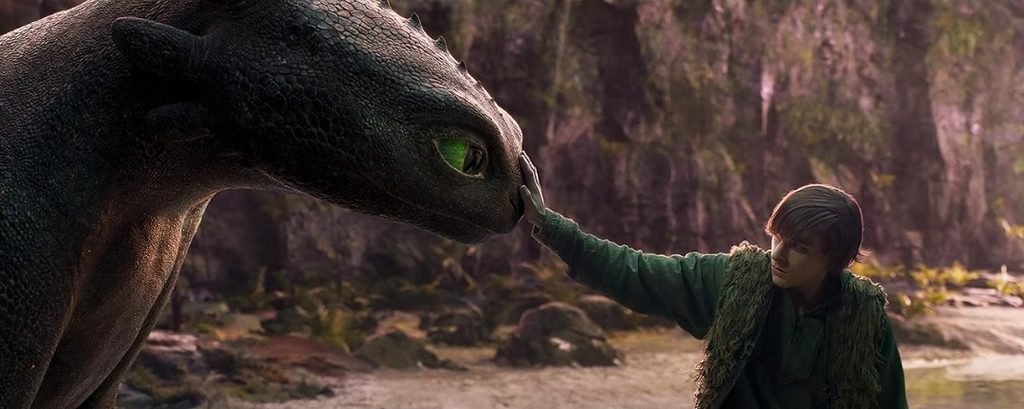
Mason Thames has the difficult task of carrying Hiccup’s emotional journey. He also needs to create a believable friendship with a creature that is largely created digitally.
It would be so easy for the viewer to dismiss such a thing as being fake. However, the bond actually manages to work remarkably well.
The two actually show real curiosity towards one another. Their first meetings look really awkward and believable.
Physical effects provided by 4DX even allowed me to perceive the bond differently. Every movement of Toothless makes the seats vibrate along with him.
As he flies into the sky, the viewers are taken along with him. This creates a bond between the viewer and the character.
It is clearly artificial.
However, the artificial nature of the process becomes a part of the viewing experience. One starts responding to Toothless physically.
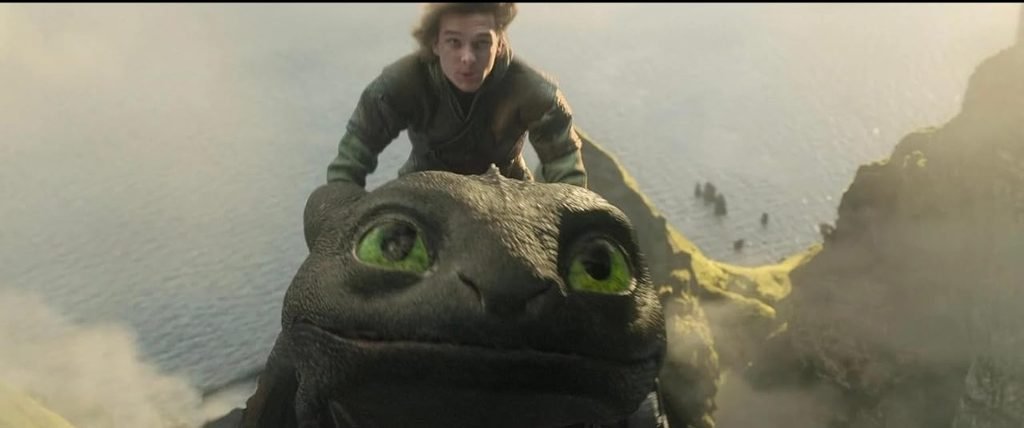
The production’s use of physical dragon references also helped performers establish believable eyelines.
That seems particularly important for Thames. His reactions often sell the reality of the creature beside him.
The result is a performance that feels more grounded than you might expect.
Gerard Butler brings something different
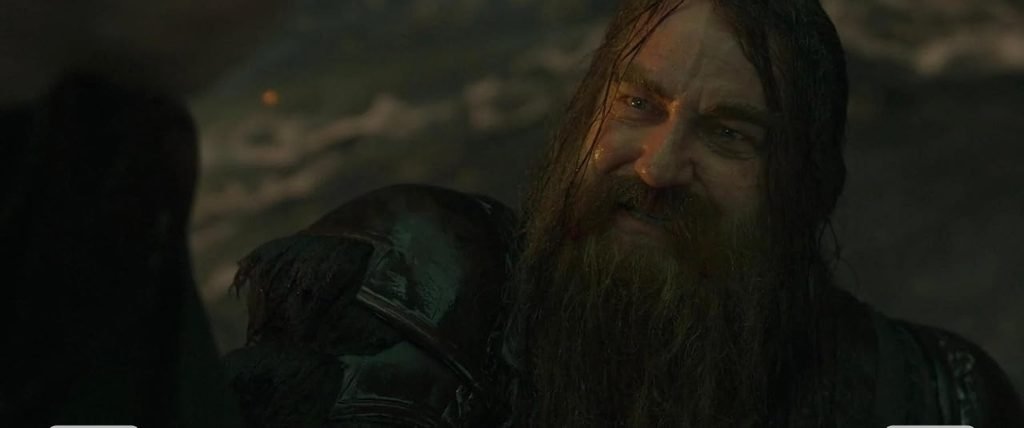
Gerard Butler also deserves recognition. Returning as Stoick gives the character an interesting connection with the original film.
Butler understands Stoick’s personality extremely well. His performance has the same commanding presence audiences remember.
However, live action gives Stoick a different physical presence. He feels like a real Viking rather than an animated interpretation.
His relationship with Hiccup also benefits from the live-action setting. The conflict between father and son feels more physically grounded.
There is more weight behind their disagreements.
There is also greater emotional impact when their relationship begins changing.
Thames and Butler create some surprisingly effective father-and-son moments.
That emotional connection matters because 4DX could easily distract from the characters.
Fortunately, it rarely does.
Instead, the effects generally complement the performances.
Seeing the action in 4DX feels different
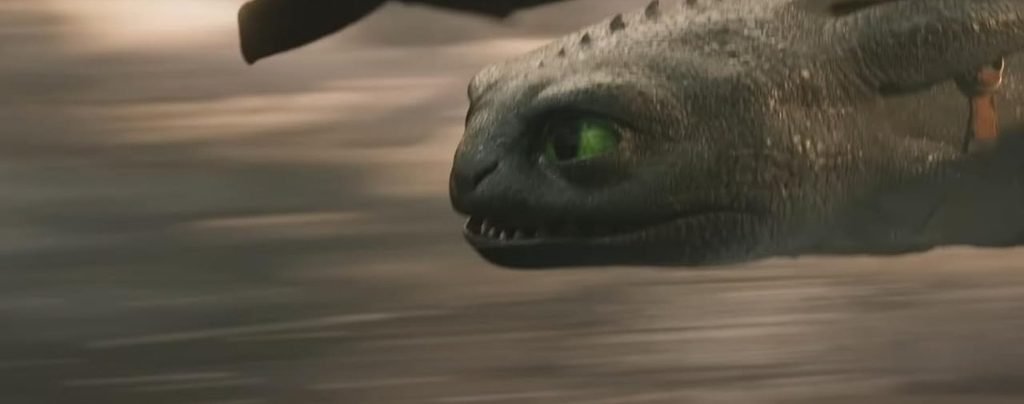
This is where the experience really separates itself from a standard screening. Watching How to Train Your Dragon normally allows you to observe the action.
Watching it in 4DX makes you physically respond to that action. The difference is immediately noticeable during the flying sequences.
The seats move with the dragons. Sudden changes in direction produce sudden physical movements.
Dives feel sharper. Turns feel more immediate. Take-offs have an additional sense of momentum.
The wind effects also become particularly effective during flight. They create a sensation of movement that simply does not exist during a standard screening.
The 3D presentation adds another layer. The dragons appear to occupy more physical space within the frame.
The landscapes gain additional depth. The flying sequences therefore feel larger and more expansive.
You become more aware of foreground, background and distance. That combination makes the action feel considerably more involving.
The flying sequences are the real highlight
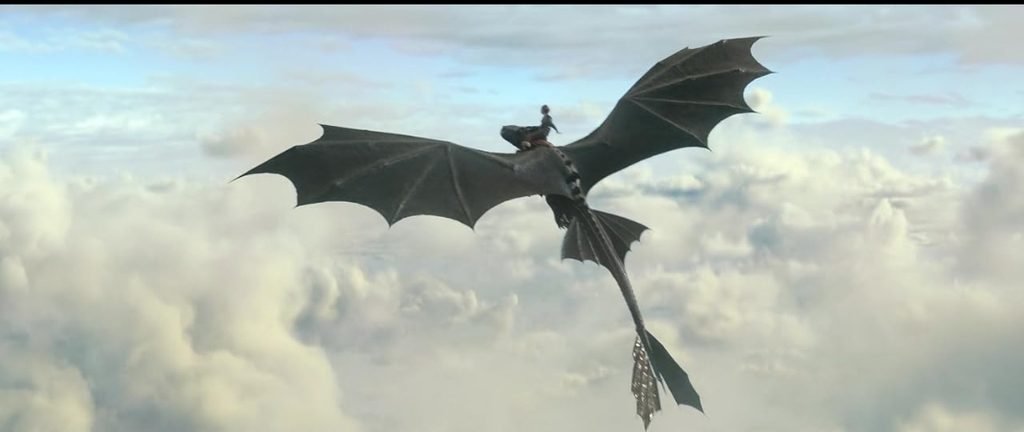
Here’s where 4DX earns its keep. The flying sequences were already amazing in the regular movie.
In 4DX, they’re something completely different. There comes a point in the movie where Hiccup and Toothless start to fly together.
Rather than just seeing their flight, your chair reacts to it. The physical movement is in sync with what is going on.
The wind adds a sense of speed to it..The 3D image adds depth to the environment. Suddenly, what was a sequence in the movie is much more than that.
It is an immersive experience all around you. I think this was the greatest difference between the two.
The regular movie allows you to admire the filmmaking talent. The 4DX version invites you to experience the filmmaking physically.
There were moments where I actually felt like I was riding with Toothless. This sounds crazy when put into writing.
However, sitting in the movie hall, the two combine surprisingly well. For a brief period of time, you forget that you’re in a movie theater.
You are flying with the character.
The action becomes more physical

The battles in the film also get an advantage through the format. Dragons’ attacks have more weight.
Fire-related scenes are more violent. Movements tend to surprise viewers suddenly. Impacts that only happen visually in regular movies are felt on the seat.
The result is that certain scenes take on an altogether larger feel. The effect is particularly pronounced during scenes that involve several dragons at once.
The screen is full of movements. The seat reacts to them. The audio is surround sound. The 3D visuals add one more layer of depth.
All of these things combined create something that cannot be done by regular cinema. Nevertheless, I cannot say that all action scenes benefit to the same extent.
At times the movements were distracting. There were certain scenes when I paid more attention to my chair rather than to the film.
It is one of the compromises of 4DX technology. The technology works great when it follows the movie naturally.
The problem occurs when it is too evident. Fortunately, the movie has many chances to do that.
Do the dragons actually look good?
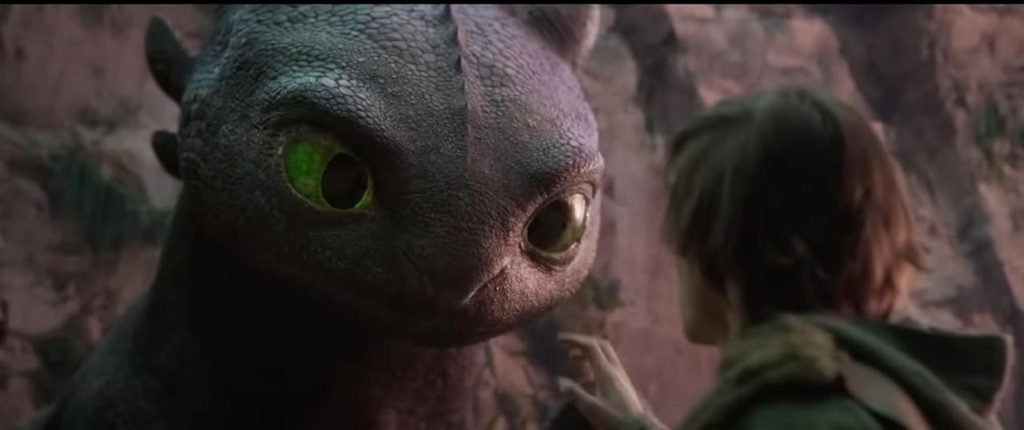
For me, certainly.
Dragons are definitely one of the most prominent features of the movie. Toothless keeps his distinct personality.
His behavior seems carefully thought out in relation to his personality. He can be both threatening and unexpectedly funny at once.
This contrast is absolutely necessary for the character. Visual effects used for other dragons are also very good.
They all seem different. They keep their design and adapt it well to the live action version.
Some scenes are better than the others. There are moments when you start noticing visual effects.
These moments are especially obvious during some flying sequences on the grand scale. But these moments do not ruin my pleasure at all.
The best scenes are really amazing.
When you combine the environment that was shot practically and computer generated characters – it looks great.
Also some of the reviewers pointed out how convincing the scenes with the main dragon are.
Did 4DX make me connect with the characters?
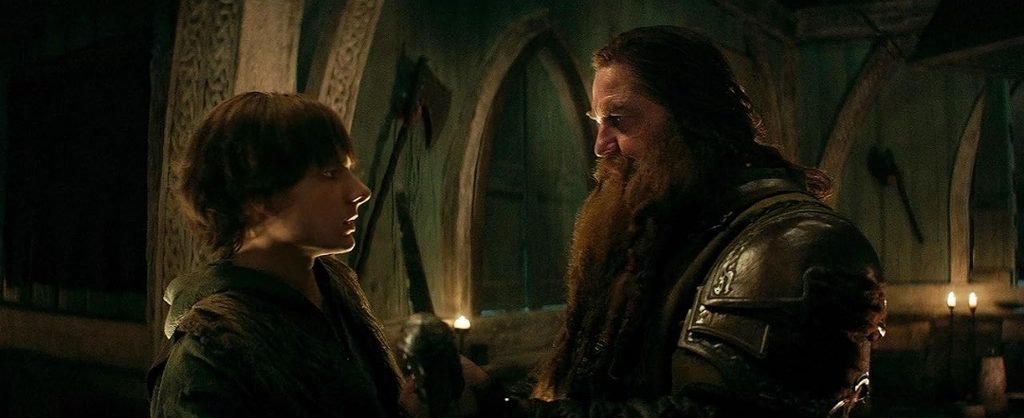
Surprisingly, I think it did. The obvious purpose of 4DX is physical immersion.
However, that physical immersion can also strengthen emotional involvement. When Hiccup flies with Toothless, you physically experience the movement.
That makes their relationship feel more immediate. Their excitement becomes your excitement. Their danger becomes something you physically experience.
That does not replace the performances. Instead, it gives the performances another layer. Mason Thames benefits particularly from this.
His reactions become more convincing when the audience physically experiences what Hiccup experiences.
Gerard Butler’s performance works differently. His presence anchors the film when the spectacle becomes overwhelming.
Stoick provides the emotional weight behind Hiccup’s journey. Together, the performances stop the 4DX effects from becoming nothing more than a theme-park attraction.
What worked?
The biggest success was the combination of flight, 3D and physical movement. The flying sequences were easily the strongest parts of the 4DX experience.
The movement of the seats worked particularly well during take-offs and dives. The wind effects added another convincing layer to the flying sequences.
The 3D presentation also gave the landscapes impressive depth. The dragons looked surprisingly convincing across many scenes.
Toothless remained the emotional heart of the film. Mason Thames gave Hiccup enough sincerity to make the relationship believable.
Gerard Butler brought familiar strength and emotional weight to Stoick. Dean DeBlois also deserves credit for understanding what made the original story work.
The film remains recognisable while gaining a different physical scale through live action. Most importantly, 4DX gave me something the standard version could not.
It made me feel physically involved in the action.
What did not work?
The main issue was not with the movie itself. It was with the surrounding cinema experience. The audience got distracting on several occasions.
Unnecessary noise during eating and chatting made it hard to immerse into the movie. The attitude from certain cinema staff members was also disappointing.
The way they acted with me seemed quite rude. Ticket purchasing and admittance was especially annoying.
I do not think that family movies are an excuse for bad customer service. The families should enjoy the movie experience just like everybody else.
There were also moments when the 4DX effects were a bit too much. Sometimes, the special effects technology makes you feel that you are on a moving chair.
Moreover, there were certain visual effects that I did not find very convincing. Nevertheless, these were rather minor problems compared with the best parts of the movie.
Final verdict
How to Train Your Dragon seems like one of the best movies to be played in 4DX format.
Everything that the format requires is already there in the film.
There are dragons, there are flights, there are battles, there is fire, and there are huge cinematic landscapes.
The addition of 3D only expands them further.
The addition of 4DX makes them tangible.
It is clearly a different experience from watching the regular version.
You feel the movement.
You feel the wind.
You feel the physical presence of the action.
But most importantly, you begin to experience the flight rather than watch it.
So, did I feel that I was flying a dragon?
For brief periods of time, certainly.
This is the power of a good 4DX experience.
It takes what you have seen and makes you experience it in a different way.
For me, How to Train Your Dragon was the movie where 4DX really worked.
You just need to be ready for the chance of rowdy passengers on your cinematic flight.