Insidious Chapter 3 Review
Introduction (Warning Contains Spoilers)
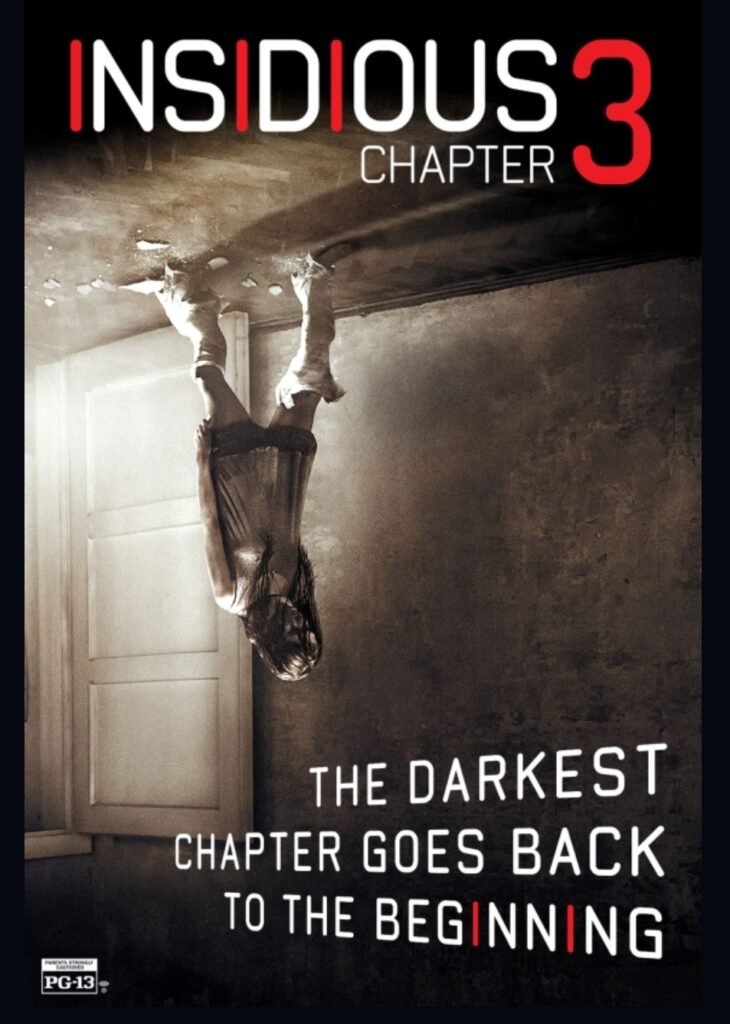
With a new Insidious movie arriving this Friday, we decided to revisit the franchise. We are going to be viewing the movies from chronological order, rather than release order.
This begins with the first prequel, Insidious: Chapter 3. Released in 2015, Chapter 3 is set prior to the supernatural events surrounding the Lambert family.
This is also the first time that Leigh Whannell, who wrote the first two movies, took up directing. As such, this was an interesting challenge for Whannell, as James Wan’s direction was responsible for much of the success of the first two films.
Whannell therefore had to continue the franchise without simply copying Wan. The result is an imperfect but worthwhile prequel with several genuine strengths.
Direction
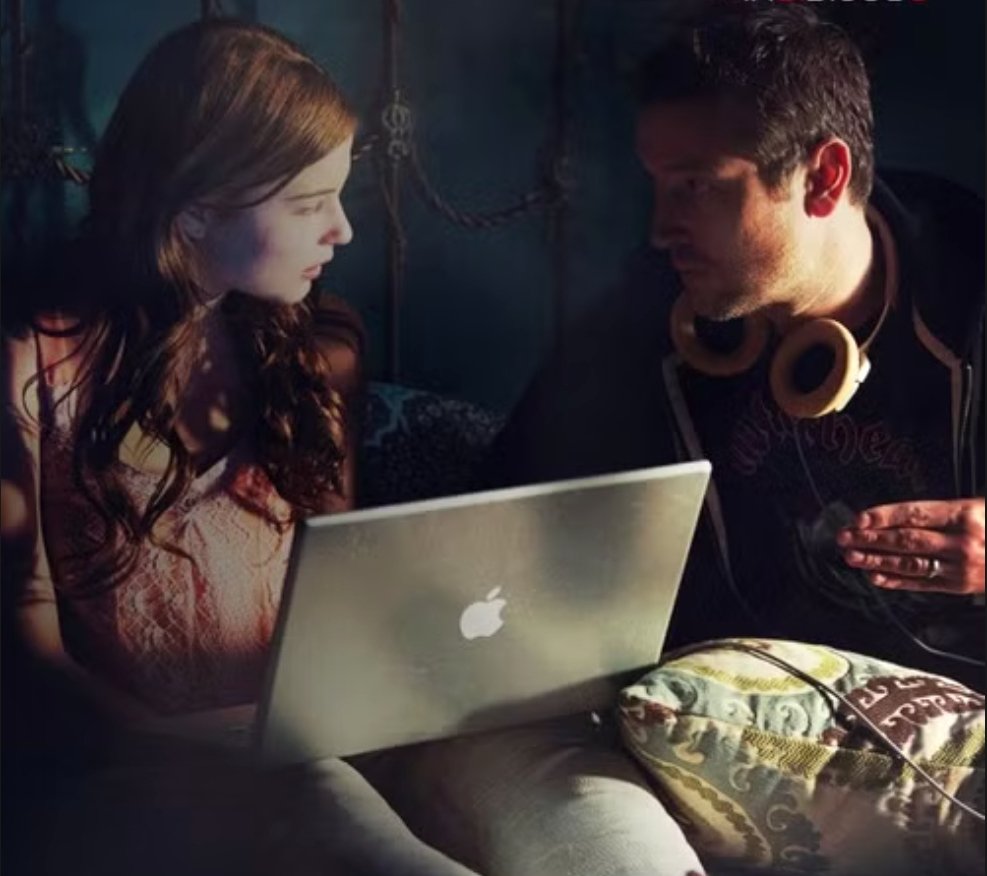
Whannell faced a difficult challenge when he took the director’s chair. He was following James Wan after two successful franchise films.
Wan managed to establish a specific visual identity for his pictures. Whannell knew that he would inevitably be compared to his predecessor.
Therefore, the smartest thing to do is not to copy Wan’s style. Whannell uses a similar approach, adding some elements that belong to him personally.
One of the main differences is visual atmosphere of the film. In Chapter 3, everything looks darker, dirtier and more realistic than in previous films.
This approach works well for the story because many of the events take place in a world which we know.
Whannell manages to add the supernatural elements into common objects. It makes the intrusion of the haunting even more horrifying.
The usual bedroom may turn into a scary place. A regular hallway may be dangerous because something may be waiting there.
Another thing is anticipation. Sometimes it is very scary to wait for something to happen in the dark.
It means that the camera lingers while the audience examines the picture. That makes a good effect before the supernatural element appears.
This is one of the things where Whannell perfectly understands the essence of the franchise. However, there is one problem – he cannot show the same talent as Wan.
James Wan was great at manipulating the space, time and audience’s expectations. He used the camera to make an ordinary room threatening.
Sometimes Whannell prefers the common jump scares. There are several sequences in the film that use the “quiet, quiet, loud” formula.
Of course, it also works sometimes but it seems a little bit less creative. The direction of the film is therefore effective but not always inspired.
That difference is important when comparing him with Wan. Whannell was not trying to become another James Wan.
He was trying to establish his own voice within Wan’s universe. For a directorial debut, that is a sensible and often successful approach.
Cinematography
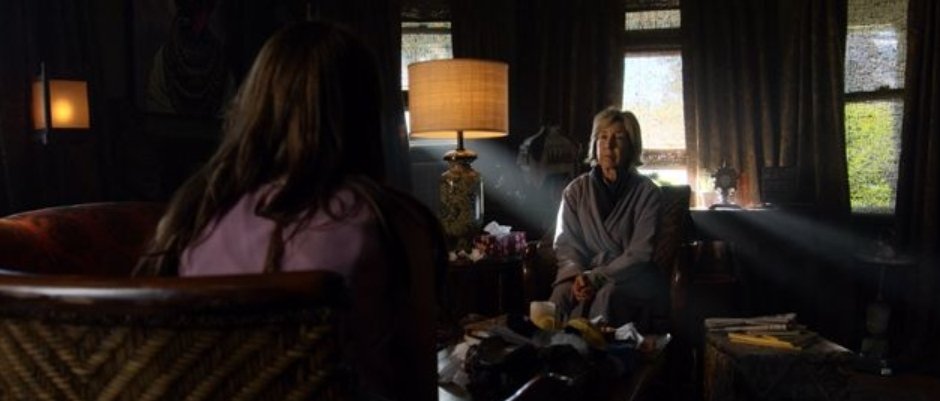
The cinematography of Brian Pearson is crucial for the new identity of the movie. The visuals of this movie are darker and more restrained.
The lighting in many instances allows great parts of the image to fall into the darkness. This generates uncertainty without showing the viewer the source of danger all the time.
This darkness is the horror.
However, The Further is visually effective. Pearson relies on deep shadows and few sources of lighting.
Characters can be enclosed in darkness, while a certain spot becomes visible. This way, viewers’ attention will be drawn to whatever gets illuminated by the source.
Moreover, there is a feeling that the dark space can hide something threatening. Thus, the atmosphere of oppression appears without using visual effects continuously.
The movie seems more realistic compared to Wan’s previous installments. It fits Whannell’s vision of the movie, which requires a grittier style.
There is no need to overwhelm normal scenes with supernatural elements. In this way, a film gradually fills normal spaces with something unusual.
This way, the family drama gets integrated into the horror story.
Pearson’s work is not necessarily better than the cinematography before him.
It serves a different purpose.
They perform other functions. The works of Wan were more theatrical and showy. As opposed to this, Chapter 3 prefers shadows and muted tones.
Visual Effects
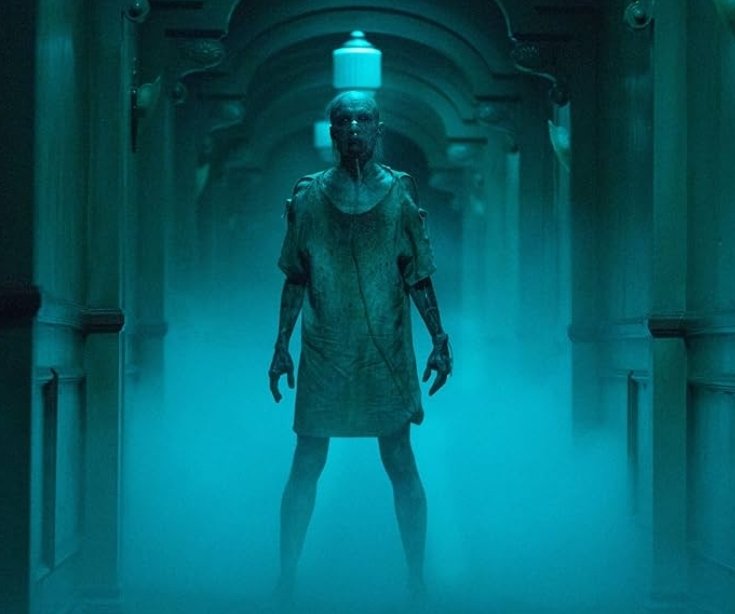
Another way in which Chapter 3 is inconsistent is in the use of special effects. It is clear that Whannell prefers practical effects where possible.
This approach makes the supernatural creatures seem very physical. The Man Who Can’t Breathe definitely benefits from this.
His mask and gradual transformation give him a human presence. He seems like something real that could live in the room.
Practical effects also allow the actors to react realistically. There is something concrete for the performers to react to.
This makes supernatural scenes more realistic. Fortunately, the movie does not completely rely on CGI.
A lot of the movie’s computer work helps out practical effects. Unfortunately, the movie shows its monsters a bit too much.
This is a problem because mystery is so important in good horror movies. The more you see a monster, the more accustomed you become.
The Man Who Can’t Breathe is scarier when he is mysterious. Showing him repeatedly makes him less scary.
This means that the problem is not so much the CGI. Instead, the problem is that the movie reveals its monsters too often.
Some of the CGI effects are less believable than practical effects.
They are not terrible, but they do take viewers out of the story. This is obvious since practical effects look so convincing.
Weak spots in the film show that we are seeing a fabricated effect. It was yet another area where Wan held an edge.
Wan realized that imagination could fill up any gaps in an image. Whannell realizes this too, but sometimes lacks the necessary restraint to do so.
Consequently, what one sees is a combination of fine practical effects and average digital effects.
Themes
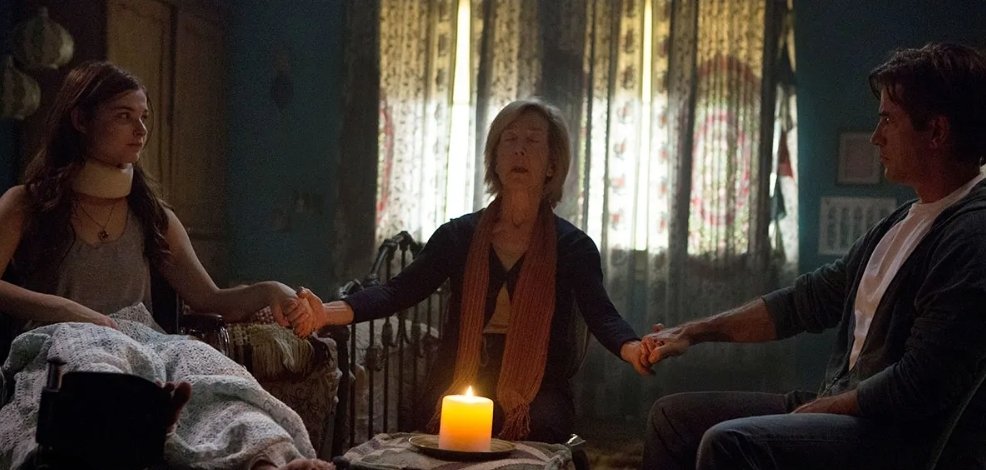
Theme of grief is a prevalent topic that is found throughout Chapter 3. Quinn’s wish to connect with her mother is the core of the whole supernatural storyline.
This means that Quinn’s spirit is haunted because of her personal tragedy. She is not just another unlucky teen girl.
Instead, Quinn is one of those people who needs to reconnect with a person she is desperately missing.
This idea is consistent with the previous movies.
The Insidious franchise always combined supernatural threat with family tragedy. Dead people are not just monsters. They represent memories, guilt, fears, and unfinished business.
This approach is continued successfully in Chapter 3. Isolation is another theme developed in the movie.
Quinn feels isolated because of her mother’s death. Sean struggles to support his family while having to cope with his personal tragedy.
Elise isolated herself from her psychic powers. It means that every single character is emotionally isolated in some way.
Horror becomes more intense in connection with emotional isolation. This approach is also used in Elise’s story.
She has a gift that can help people. Elise is scared about the results of its usage.
Her choice to go back to The Further is an emotional triumph for her. She understands that fear doesn’t have to dictate her actions.
This makes the prequel have a purpose to be made.
Sadly, not all themes in the movie get equal treatment. Some characters’ concepts lack full development in the story.
An ambition Quinn has in her acting career is one of them. It gives her some unique traits in the beginning.
Yet, those concepts are almost useless after the haunting begins.
Pacing and Character Development
Pacing is mostly good; however, it is not entirely even. The opening takes time to build up the characters of Quinn and Sean.
This is important as we need to understand their emotions. The film needs us to feel their pain before the horror comes into play.
The middle part is somewhat uneven. There are some supernatural experiences which do not add anything to the plot.
At times, the film follows the same pattern. Some supernatural experience takes place, someone investigates and gets scared.
This may seem a bit mechanical at some point. The third part goes considerably faster. From the moment when Elise gets into The Further, everything is clear.
The story proceeds fast towards the supernatural experience.
This brings some momentum; however, it also makes the film lose a little bit of the previous subtlety.
Thus, we can see that the structure is uneven. The duration is not really a big issue. Chapter 3 is not too long and it is rarely bloated.
In some ways, the development of some characters could have used even more time.
An additional ten minutes would have been good for Quinn and Sean’s relationship.
It also could have helped Elise in her developing relationship with Specs and Tucker.
The issue is not that the movie is too long.
The issue is that some great concepts are underdeveloped.
Performances
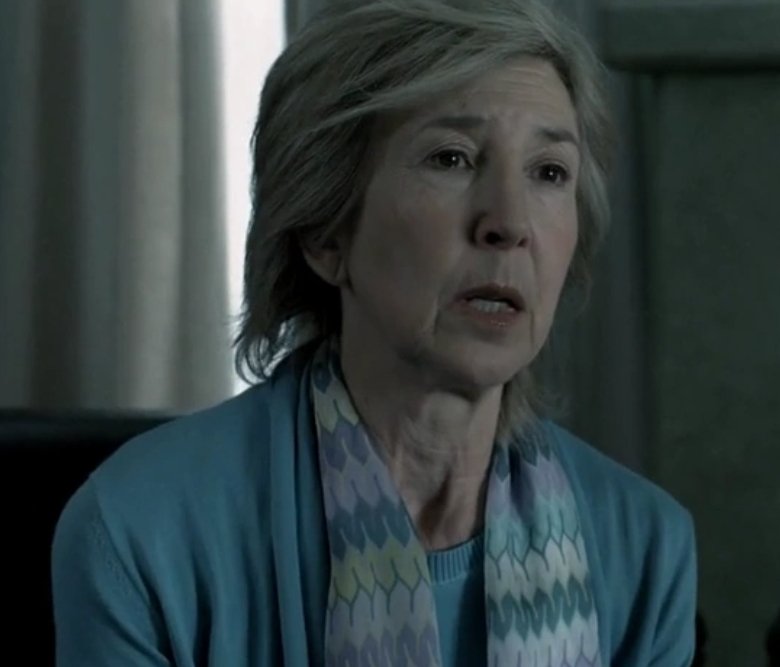
Chapter 3 © 2015 Sony Pictures Industries, Inc. and Blumhouse Productions, LLC. All rights reserved.
Lin Shaye holds her own as the best actor in this film. By now she has become Elise Rainier herself.
The character would have seemed unbelievable on paper. But Lin Shaye has made us believe in Elise’s sincerity.
Because of her conviction we accept the supernatural premise. This particular performance stands out because Elise is fragile now.
She is mourning the loss of her husband and running away from her powers. She has no intention of going back into the spirit world again.
This fear is shown in her performance but she does not appear to be a coward. We can see why she wants to turn her back on everything.
And we can see why she comes back.
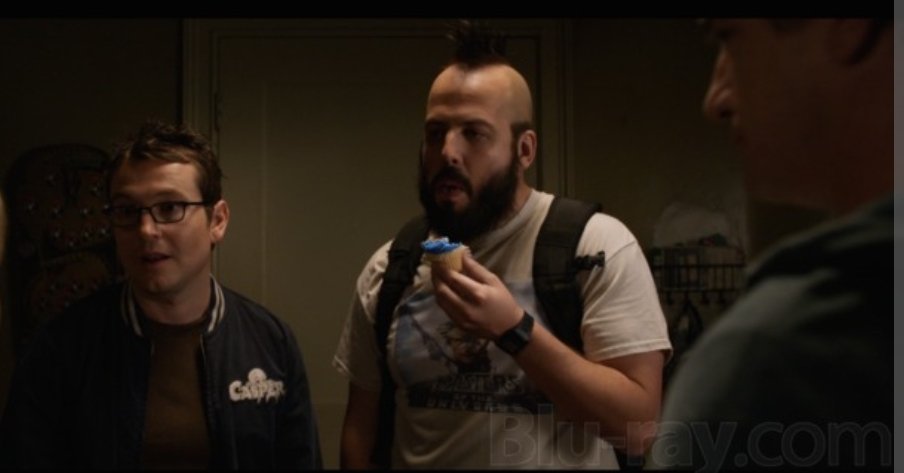
Angus Sampson‘s Tucker brings most of the humor in the movie. Tucker is eccentric, enthusiastic and fascinated with supernatural things.
At the same time, he understands that he does not know everything about them. Thus, his interactions with Elise become entertaining without becoming purely humorous.
Leigh Whannell’s Specs completes this equation. Specs is fascinated by supernatural things but unlike Elise he cannot use his knowledge.
He has knowledge and enthusiasm, but no experience. Thus, there is a good reason why Elise becomes the leader of the team.
It is also very interesting to see how Specs and Tucker interact with Elise. These three actors build the foundation of a credible team.
Chemistry between these characters is one of the best things in this movie. Tucker and Specs bring some humor while Elise brings experience.
Different characters complete each other and it was really great to see this. It would be easy to spend more time building up the relationships in the movie.
This is also my biggest problem with character development in the movie. I would like to see more focus on Elise and her team.
The story about Quinn is good, but too familiar. Elise’s story feels much more unique.
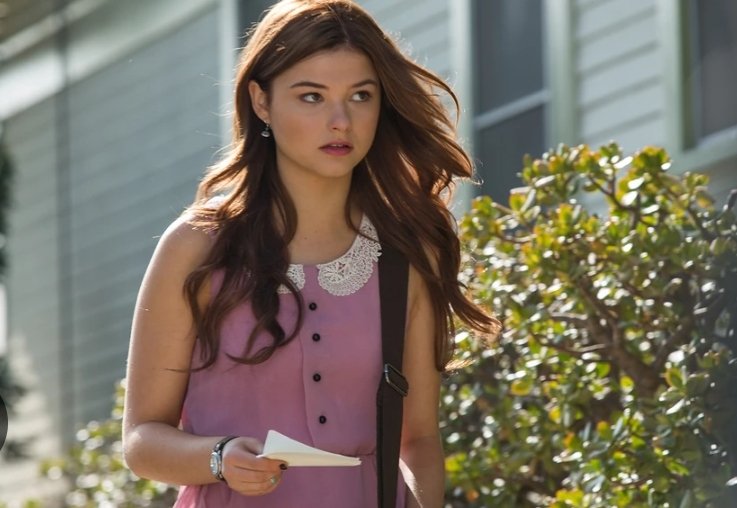
Stefanie Scott acts decently in the role of Quinn. She succeeds in conveying the character’s fear and sorrow.
But the character of Quinn is quite ordinary for supernatural horror films. And the screenplay fails to provide Stefanie Scott with enough unique lines.
It can be seen that her acting is good, but never stands out.
Dermot Mulroney acts reliably in the role of Sean. He manages to make the grieving father credible without overstating his emotional state.
Indeed, he is struggling with an impossible situation and tries to protect his kids.
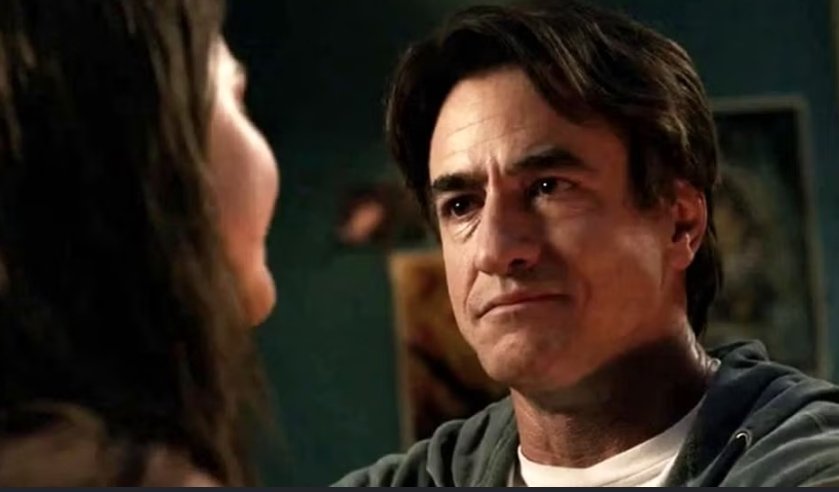
© 2015 Sony Pictures Industries, Inc. and Blumhouse Productions, LLC. All rights reserved
What Worked and What Did Not
One of the most notable successes is the development of Elise in Chapter 3. Lin Shaye gives a truly emotional performance.
Her interaction with Specs and Tucker also adds to the idea of a prequel. These elements help to integrate the movie into the larger franchise.
The atmosphere is another success of the film. The cinematography by Pearson adds darkness and oppression to the film.
The practical effects help with the tangible supernatural elements. The direction by Whannell is sometimes truly frightening.
The film is truly good when it plays with the darkness and anticipation. The biggest problem with the movie is the lack of novelty.
The general formula has been used twice before. The vulnerable young protagonist looks very familiar.
Also, the plot structure of supernatural rescue is predictable. The movie makes some changes to the character but not to the general formula.
The character development is also something the movie fails at. Quinn and Sean have potential that was not fully developed in the script.
Her acting ambitions are shown but quickly forgotten. The connection between her parents is a possible development element too.
Elise has more successful development but receives less attention. The horror is inconsistent in the movie.
Sometimes there are well-timed and atmospheric scares. At other times, it relies on the standard jump scares.
There are monsters revealed by the movie, which could have been scarier unseen. The practical effects generally look better than some digital.
The final result is good horror but not necessarily scary.
Final Verdict
Insidious: Chapter 3 is a good prequel which knows its franchise. Despite not being as great as James Wan’s first two films.
Still, Leigh Whannell demonstrates he can make the series work. Whannell gives the film a darker and more grounded feel.
Whannell gives the film a darker and more grounded feel. Also, he does not just imitate Wan’s visual style in the film.
The problem with the story is that it is still predictable. Even if its themes are quite interesting.
The film has much more interesting ideas about grief than about plot. At least the development of Elise character in the movie.
Or Lin Shaye acting again makes her one of the franchise heart. The most interesting thing is that this film expands the mythology of Insidious.
By showing how Elise, Specs and Tucker started their collaboration. These elements make the movie interesting and give it some purpose.
The film, like any other franchise entry, will mostly be interesting to those who already know the stories.
In terms of horror, Chapter 3 is a good film, yet it is far from being great. Its atmosphere and practical effects create some memorable scenes.
Yet its less unconventional scares take away the scary feeling. Chapter 3 overall is a decent entry in the franchise.
It proves that Leigh Whannell can direct without ruining the franchise. And also hints on the director that he will become in the future.
This Insidious film may not be the greatest one.
But it is certainly worth watching.