The Further Beckons: Your Essential Watch Guide to the Insidious Franchise Ahead of Out Of The Further
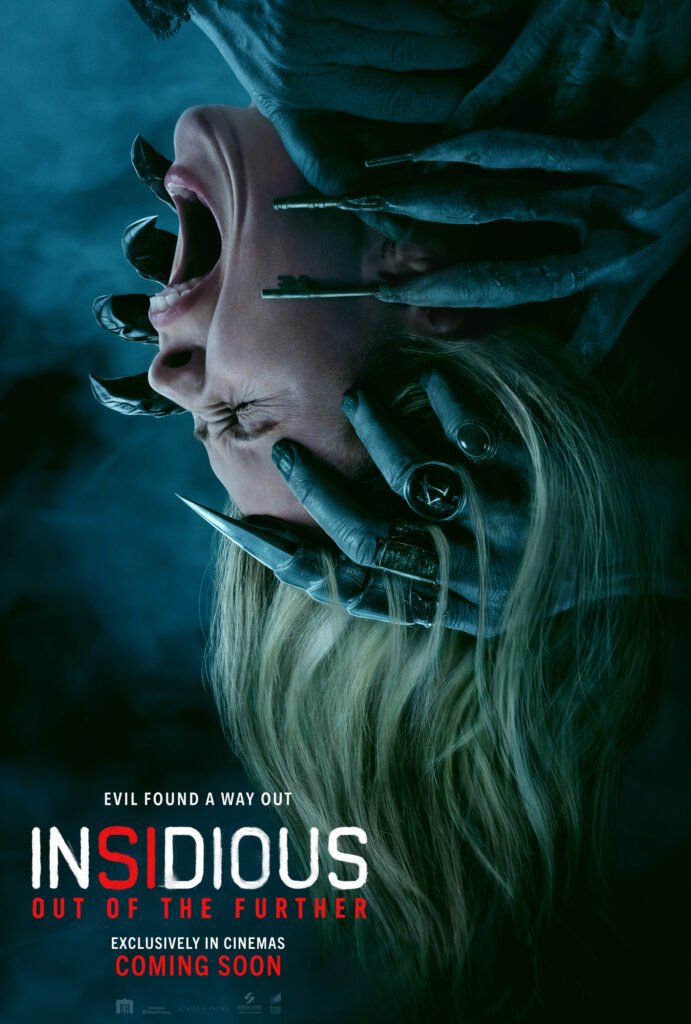
With Insidious: Out of the Further arriving in cinemas on August 21, 2026, horror fans everywhere are gearing up for the ritual rewatch.
For die-hard followers, this is a standard tradition. For those stepping into the Further for the very first time, the task is a little more intimidating, a little more confusing. So where exactly do you begin?
The Insidious series does not present its story in release order, so to fully appreciate the mythology, you need to watch the films in chronological order.
This creative decision — stemming from the franchise’s desire to expand on the origins of psychic medium Elise Rainier- turned the series into an interesting story.
To help you get the most out of your marathon, here is the Insidious franchise arranged in story chronology and your preparation for Out Of The Further.
Grab a blanket, dim the lights, and remember: whatever you do, don’t call out to the dead.
1. Insidious: Chapter 3 (2015)
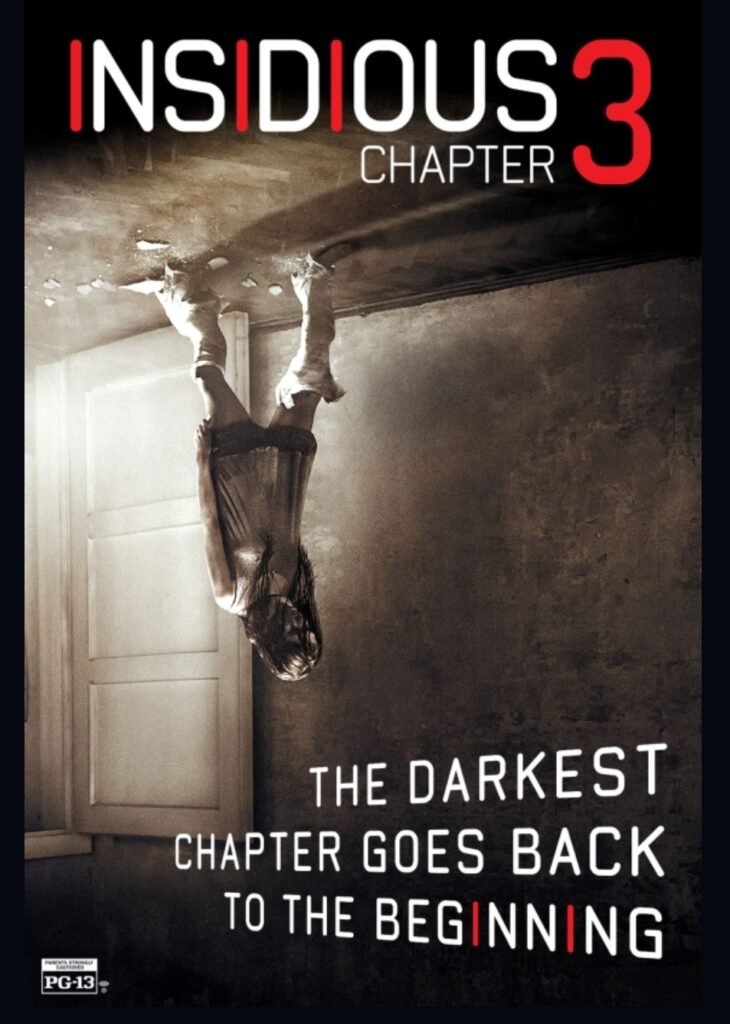
Though it was the third film released, Chapter 3 is the franchise’s chronological starting point.
Directed by Leigh Whannell in his feature debut, this prequel shifts the focus away from the Lambert family and toward a more intimate, character-driven story.
The film introduces the Brenners — teenager Quinn and her widowed father, Sean — who seek out a reluctant Elise Rainier after Quinn is targeted by a malevolent entity known as the Man Who Can’t Breathe.
Beyond the scares, this entry is essential for one crucial reason: it marks the first time Elise formally teams up with Specs and Tucker.
Seeing this iconic trio’s dynamic form from scratch provides the emotional foundation for the rest of the franchise.
It is a quiet, effective origin story that proves the series’ potential to sustain itself through deep character development.
2. Insidious: The Last Key (2018)
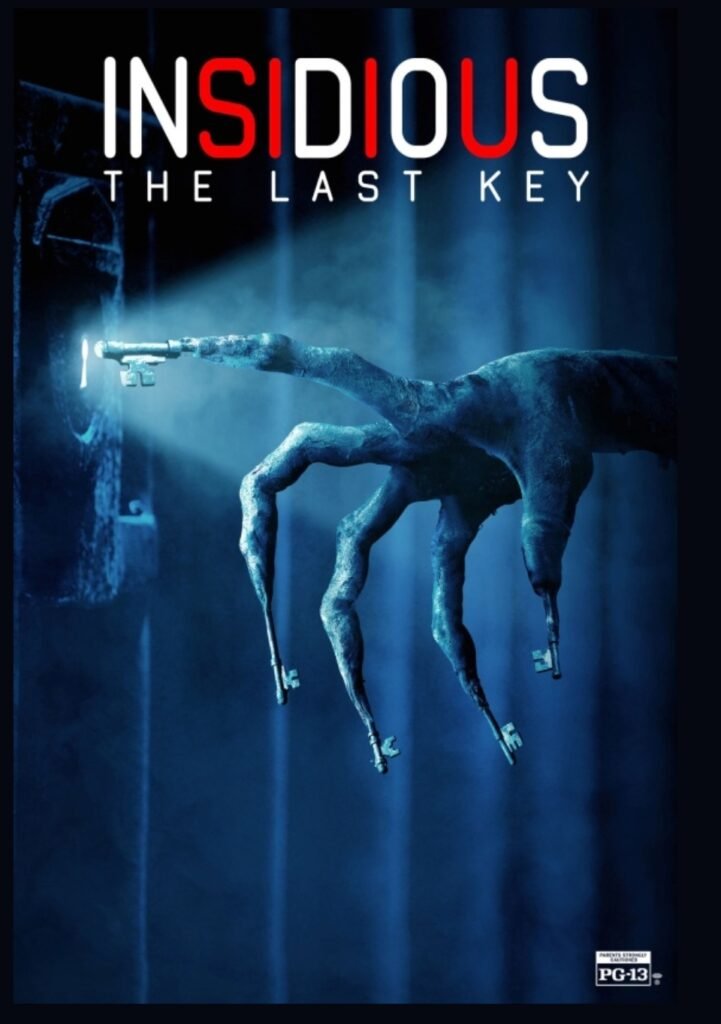
© 2018 Sony Pictures Industries, Inc, Blumhouse Productions, LLC and Sony Pictures. All rights reserved.
If Chapter 3 introduced us to an Elise in hiding, The Last Key strips her back to her roots.
Directed by Adam Robitel, this fourth installment in release order is the second in the timeline, exploring Elise’s haunting upbringing in 1953 in 11Five Keys, New Mexico.
The narrative is deeply personal, centering on a young Elise who must confront the abusive father and demonic forces that defined her childhood.
When the story jumps to the present day, she is forced to return to that same house to investigate a new haunting.
The film succeeds by trusting Lin Shaye with grounded, emotional material, bolstered by the presence of her estranged nieces.
The final act serves as a seamless bridge to the original 2010 film, snapping the prequel era directly into the beginning of the Lambert family saga.
3. Insidious (2010)
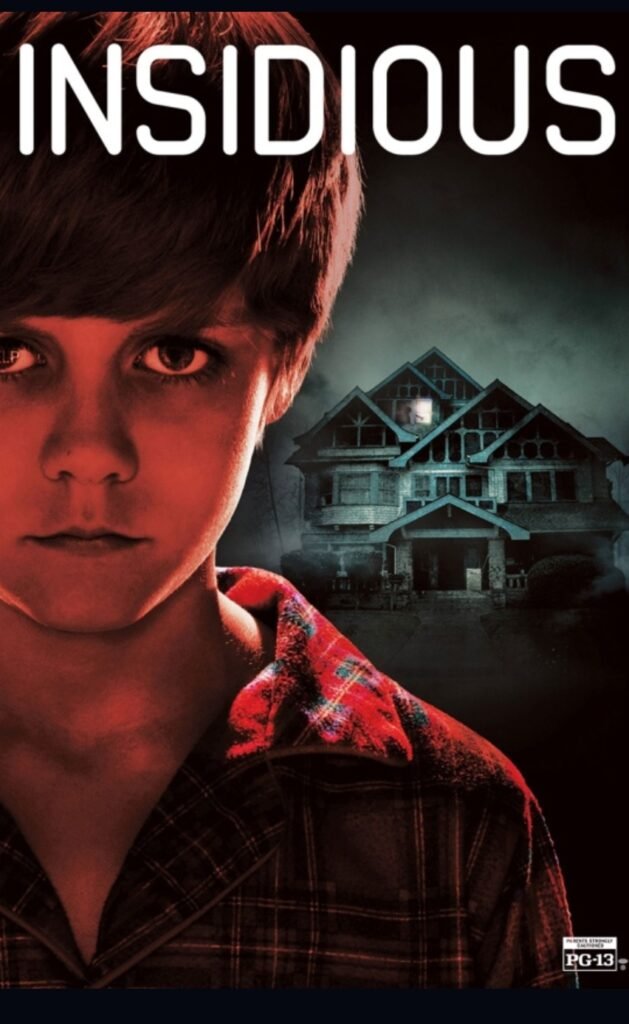
This is where it all began. Directed by James Wan (Mortal Kombat II) and written by Leigh Whannell (Wolf Man), this low-budget masterpiece reshaped mainstream supernatural horror.
Watching it third in the timeline doesn’t diminish its impact at all. Insidious (2010) highlights how masterfully it establishes the rules of the Further.
The story follows the Lamberts — Josh, Renai, and their son Dalton — as they realize that a sinister presence has followed them to their new home.
The film introduces the astral plane and the iconic Lipstick Demon. By the time Elise, Specs, and Tucker arrive to investigate, the stakes feel massive.
Shot on a modest $1.5 million budget, the film remains a cinematic masterpiece, with its use of sound design and atmosphere creating lingering dread.
4. Insidious: Chapter 2 (2013)
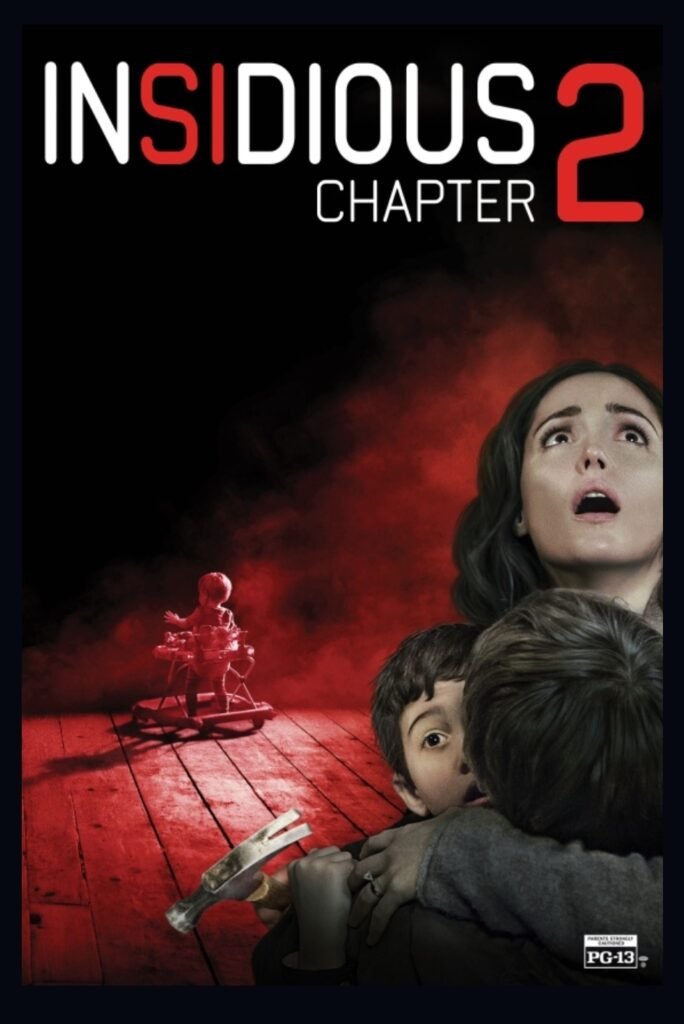
Chapter 2 is a structural marvel. It functions not as a traditional sequel, but as an immediate continuation, picking up on the exact night the first film concludes.
James Wan and Leigh Whannell up the ante by shifting the horror from external spirits to internal possession, as Josh Lambert returns from the Further changed — and clearly not himself.
The film employs a dual-narrative structure, following Renai’s struggle with her husband’s behaviour while Specs, Tucker, and the medium Carl conduct a parallel investigation.
It is a bolder, more ambitious entry that plays with time-travel-adjacent logic, piling dread upon dread until the seams of the mythology feel genuinely strained.
Its final scene serves as the franchise’s great pivot point, subtly setting the prequel films in motion and closing the loop on the Lambert story.
5. Insidious: The Red Door (2023)
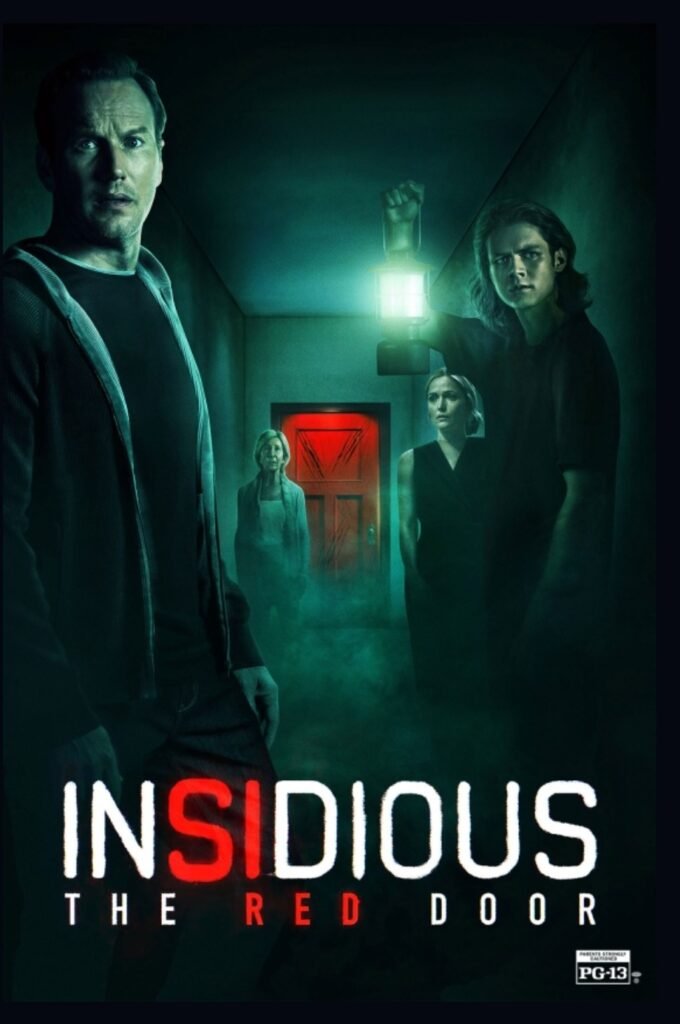
©2023 Sony Pictures Industries, Inc. and Blumhouse Productions, LLC. All rights reserved.
Directed by Patrick Wilson in his feature debut, The Red Door serves as the emotional conclusion to the Lambert family saga.
Set nine years after Chapter 2, the film catches up with a divorced Josh and Renai, whose memories of the Further have been suppressed through hypnosis.
The horror is rooted in the estrangement between Josh and his adult son, Dalton, who finds himself drawn back to the Further through his art.
It is a coming-of-age drama wrapped in supernatural terror, using the long gap in the timeline to explore themes of inherited trauma.
Lin Shaye makes a pivotal appearance, completing the structural loop of the entire franchise.
What’s Next: Insidious: Out of the Further (August 21, 2026)
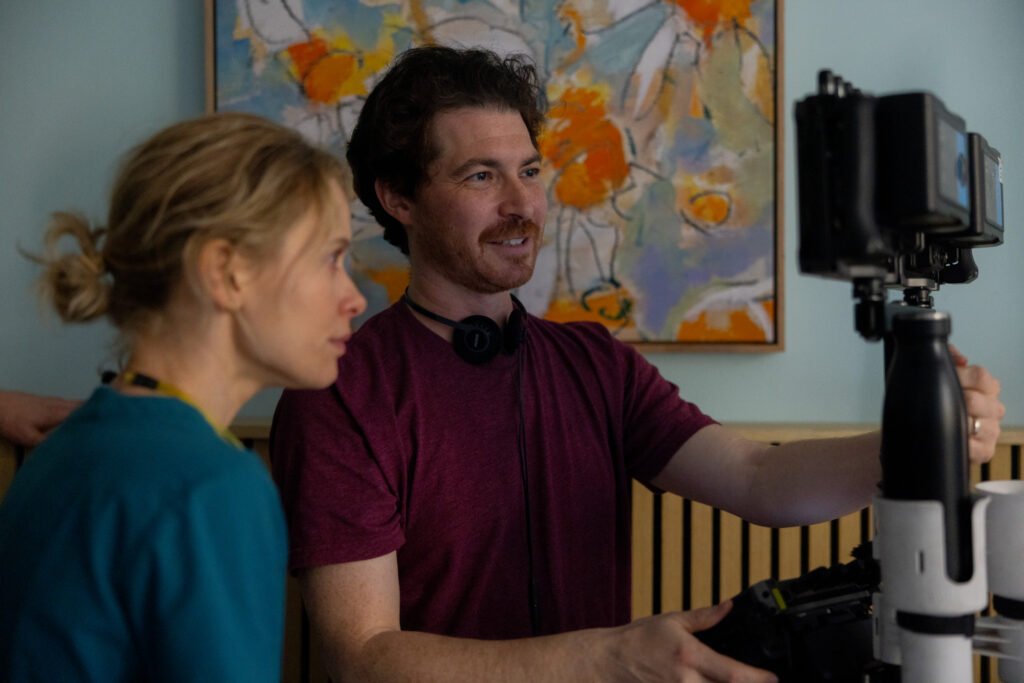
The sixth installment shifts the franchise into entirely new territory. Directed by Jacob Chase, Out of the Further moves away from the Lambert line to follow Gemma (Amelia Eve), a young mother who discovers she can travel into the Further — and, more dangerously, bring whatever lives there back into the real world.
Once the demons realise the full reach of her power, our world becomes their playground.
With Lin Shaye returning as the franchise’s moral anchor alongside this new generation of characters, the film promises a genuine handoff for the series.
If the past success is any indication, you’ll want your viewing history up to date before stepping back into the dark on August 21.