Lee Cronin’s The Mummy Review: Genuinely Reimagining a Classic
Lee Cronin’s The Mummy Reimagining Reviewed (Warning Contains Spoilers)
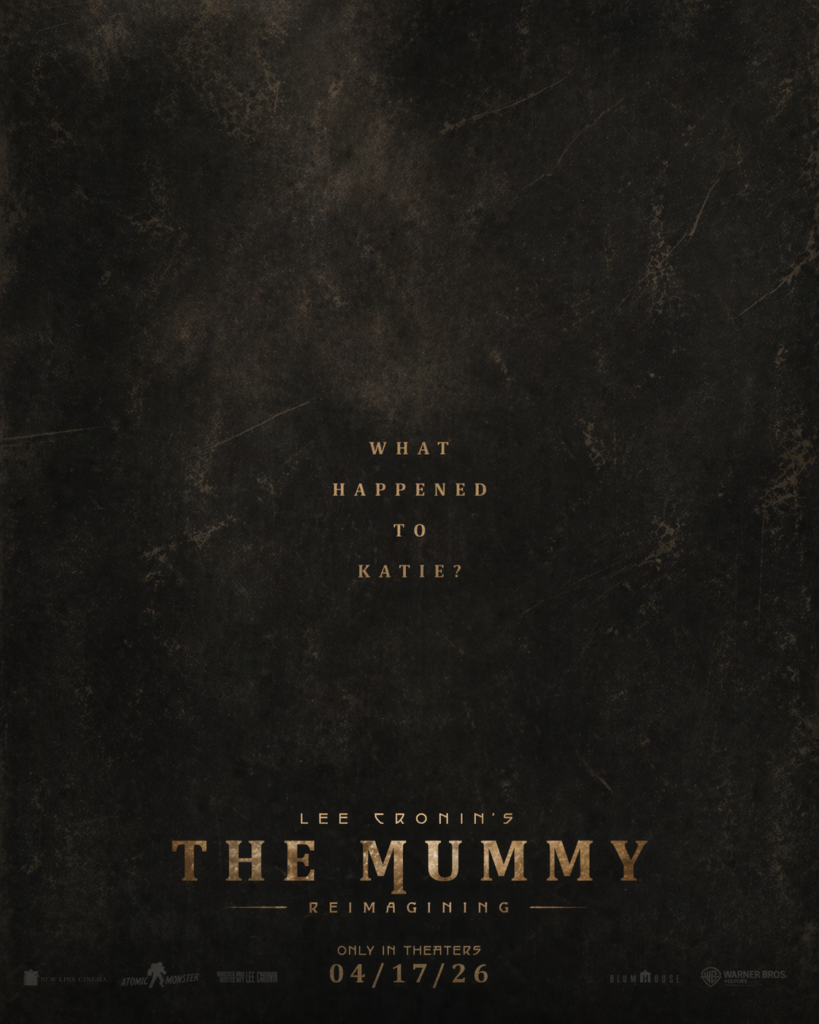
The Mummy (2026), directed by Lee Cronin, comes with an odd reputation. Instead of expanding a film franchise, this is a standalone horror remake that is strictly rated for adults. Backed by James Wan and Jason Blum, it puts style before franchise expansion. Released under Warner Bros. through New Line Cinema, it shows that the studio is taking a new direction with its classic property.
In terms of the style, Cronin is well acquainted with the sensibilities that he learned from Evil Dead Rise; the claustrophobic atmosphere takes over the adventure in comparison with its predecessors. The Mummy consciously disquiets rather than sensationalizes. In addition, it relies upon ancient tales and psychological horror, which contrasts greatly with Hollywood movies.
Direction and Style
Cronin’s film, however, leans much more towards the genre of psychological horror than adventure. For example, he makes use of camera distance from the main characters, favoring close-ups and thoughtful camerawork over visual effects. The result is a strong feeling of claustrophobia. This approach is used in both Evil Dead Rise and The Hole in the Ground.
Unlike Lee Cronin’s use of mood over exposition, there is much that can be conveyed visually through his film. Creating atmosphere through the use of sound and shadow is very tactile and focuses often more on realism and actual physical space. This worked out to Cronin’s advantage considering the use of supernatural elements.
Another important decision involves pacing; slow burn escalations take over from non-stop action. He lets tension build in a quiet moment, only to explode with it all at once. It’s not just a matter of making you jump out of your seat.
Visual effects
The visual effects are a hit-and-miss affair, but mostly intentionally. Cronin favors practical effects, which include everything from makeup and prosthetics to effects created using simple techniques in front of the camera. The movie works best when it deals with the process of transformation and decay.
But as we go into the larger-scale events involving the supernatural, it becomes less of a seamless process due to its heavy use of CGI, which seems out of place in light of the film’s realism. The problem is not with the quality of the computer graphics themselves, but rather the way in which they stand out amid all the physical effects. In other respects, however, lighting, shadow, and set design carry much of the load.
Themes
The theme of this movie is not one of adventure, but rather one of consequences. The mummy is no longer a character to fear; it is more a statement that history cannot be confined. In addition, the movie creates a new perception regarding archeology, turning it into something like a trespass. Questions of property, exploitation, and desecration of graves now arise.
Also, Cronin continues his interest in split identity and loss of control. These characters find themselves forced into positions where they start to lose their identities. In other words, The Mummy also acts as a reflection as well as a creature. There is also an undercurrent of grief and guilt running through the film. Instead of being an element that exists independent of the humans, the supernatural aspect is portrayed as depending on the human one. In all, this is a dark version of this kind of film.
Performances
Natalie Grace as the older Katie is definitely the star of the movie. It is as much physical as it is emotional. The possession must be carefully controlled to add to the suspense that the movie creates. This is very appropriate for such a darkly themed movie.
The weight Jack Reynor brings to this movie is different. It is something that brings its own form of credibility to this film and gives it realism. The reason why his portrayal stands out is that he reacts to certain things in a believable manner, reacting rather than overpowering scenes.
As far as reactions from Laia Costa go, chances are that people would be irritated with her role. This is mostly because she comes off as making some poor choices, but then again, it’s all meant to show that she pushes herself despite knowing she should not.
Story and narrative weaknesses
There is more emphasis on atmosphere and psychology of the characters than on plot and storytelling in the movie. It works effectively in creating an engaging and eerie atmosphere. However, when this fails, the logical flaws start becoming noticeable. Sometimes, characters tend to do things for convenience sake.
Then there is also the question of internal consistency. For a piece of fiction in the supernatural genre to make sense, the viewers should have an idea about how the curse operates. When that line changes too conveniently, one might get the question: “Why didn’t they just…?” While Cronin’s vagueness helps in creating atmosphere, at the same time it makes the film less coherent.
Verdict
“Mummy” horror retelling by Lee Cronin is a movie which definitely knows where it is going, even if it sometimes struggles to reach its destination. The ambiance in the film works wonders throughout, and the horror elements carry weight in the picture. Strong acting performances of Natalie Grace and Jack Reynor help root the film firmly on the ground.
However, the film also has some definite weaknesses. Character choices aren’t always justified, and the mythology isn’t well-defined. Moreover, extensive use of elements from such films as “The Exorcist,” “Hereditary,” and “Evil Dead Rise” makes it lose its uniqueness. All in all, it is a decent yet inconsistent remake, which demonstrates huge potential in both direction and atmosphere but fails to capitalize on it.