Mortal Kombat 2021 Action and Violence Review
A Franchise Reborn (Warning Contains Spoilers)
With Mortal Kombat 2 finally out, I decided to revisit the 2021 Mortal Kombat reboot. The film carried enormous expectations from longtime fans. It also faced pressure from audiences wanting better video game adaptations.
The franchise already had an extensive history in film. The 1995 movie “Mortal Kombat” gained a reputation for cult status. It was known for having a great soundtrack, a competitive environment, and incredibly well-developed characters. Nevertheless, the 1997 sequel “Mortal Kombat: Annihilation” hurt the franchise quite a bit.
For quite some time, Hollywood could not get the franchise back on track. There were rumors of development all the time, but nothing was ever done until producer James Wan got involved in making the reboot happen. It finally fell into the hands of first-time director Simon McQuoid.
The 2021 movie attempted to update the franchise for current viewers. It featured dark visuals, graphic violence, and more realistic fantasy elements. But most importantly, the movie treated the source material with respect instead of mockery.
The plot revolves around Cole Young, an underdog mixed martial artist who carries a lineage secret. He finds that there are some strong entities out to get him for unknown reasons. Sub-Zero continues to stalk him throughout the film. Cole is back among the chosen heroes of Earthrealm.
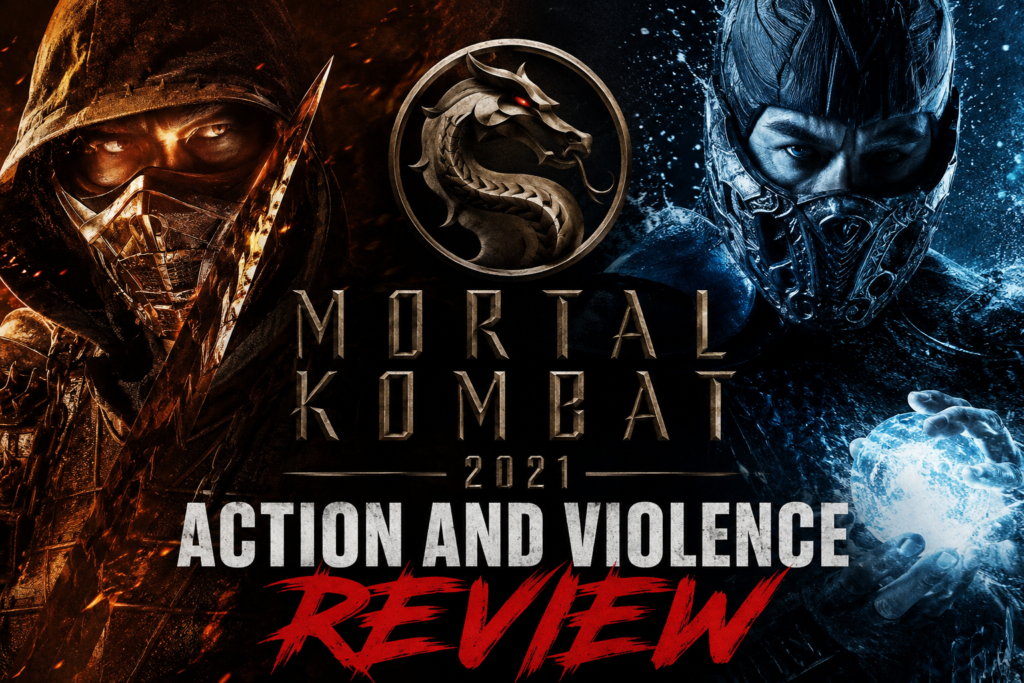
Scorpion and Sub-Zero Steal the Film
Another strong point about the film is the beginning. It introduces two characters – Hanzo Hasashi and Bi-Han – who later become Scorpion and Sub-Zero respectively. From the very beginning, their conflict adds to the drama of the film.ional weight and dramatic intensity.
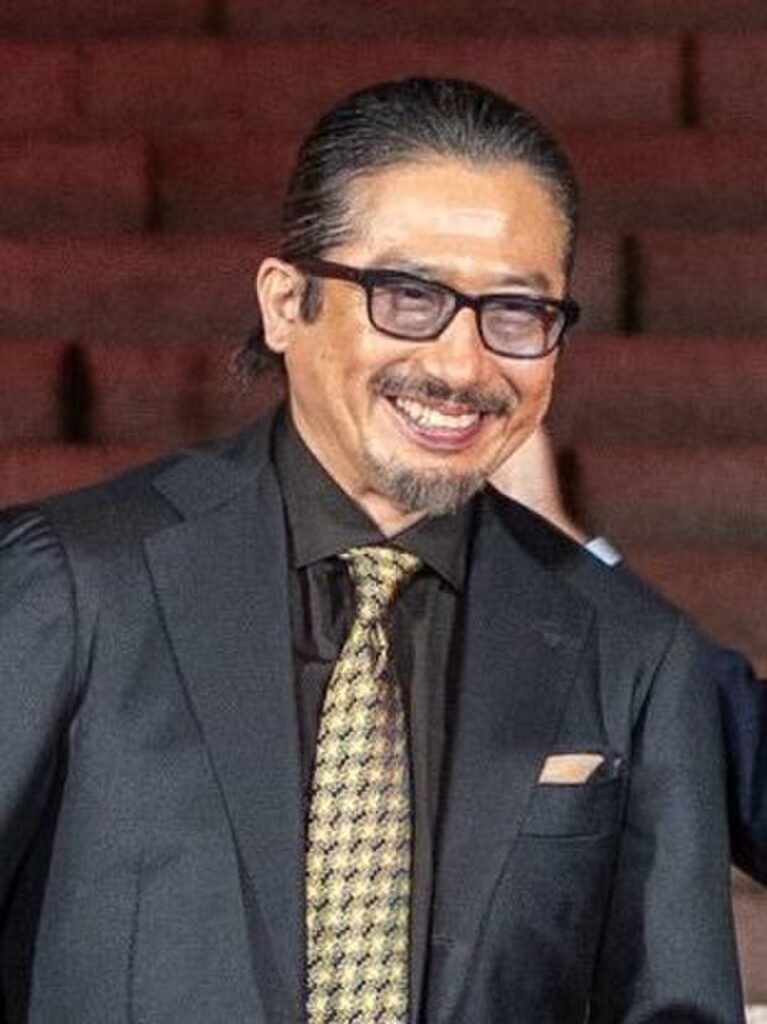
Hiroyuki Sanada is perfectly suited for the part of Scorpion, since he can give an aura of honour, agony, and silent fury. Sanada does not have to say much to capture attention in his performance.
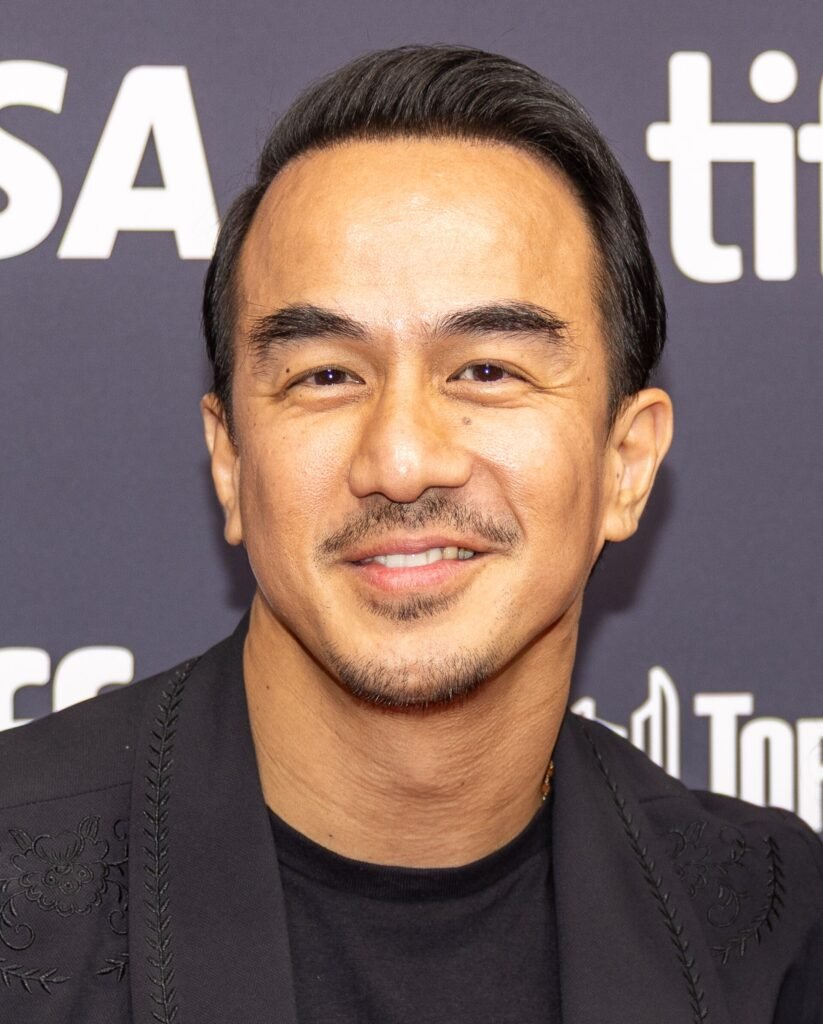
Joe Taslim gives an equally commendable performance as Sub-Zero. Taslim acts as if his character is a supernatural horror villain. His movements are precise and aggressive throughout the film. He knows what he is doing because of his martial arts skills.
The opening sequence succeeds because it is straightforward and concise. It tells a revenge tragedy in terms of martial arts and visuals. The emotions portrayed are easily relatable and understandable.
Franchise Building
Regrettably, however, the rest of the film is seldom able to match that high level of quality. Following the initial scenes, the focus of the film becomes one of building up its franchise status.
It clearly separated the viewers. Upon viewing the movie again, the intent of building the world becomes more clear. The directors definitely had sequels planned right from the start. This movie simply sets up the story for the future.
But the fans could be excused for wanting to see immediate results. What they had in mind was the story of a tournament set against the backdrop of Outworld. However, the movie acts as an introductory chapter before the tournament.
This problem is particularly evident when it comes to the world of Outworld. Outworld continues to be one of the most significant settings in the franchise. The series includes massive arenas, monsters, temples, and fantasy worlds.
Direction, Cinematography, and Visual Style
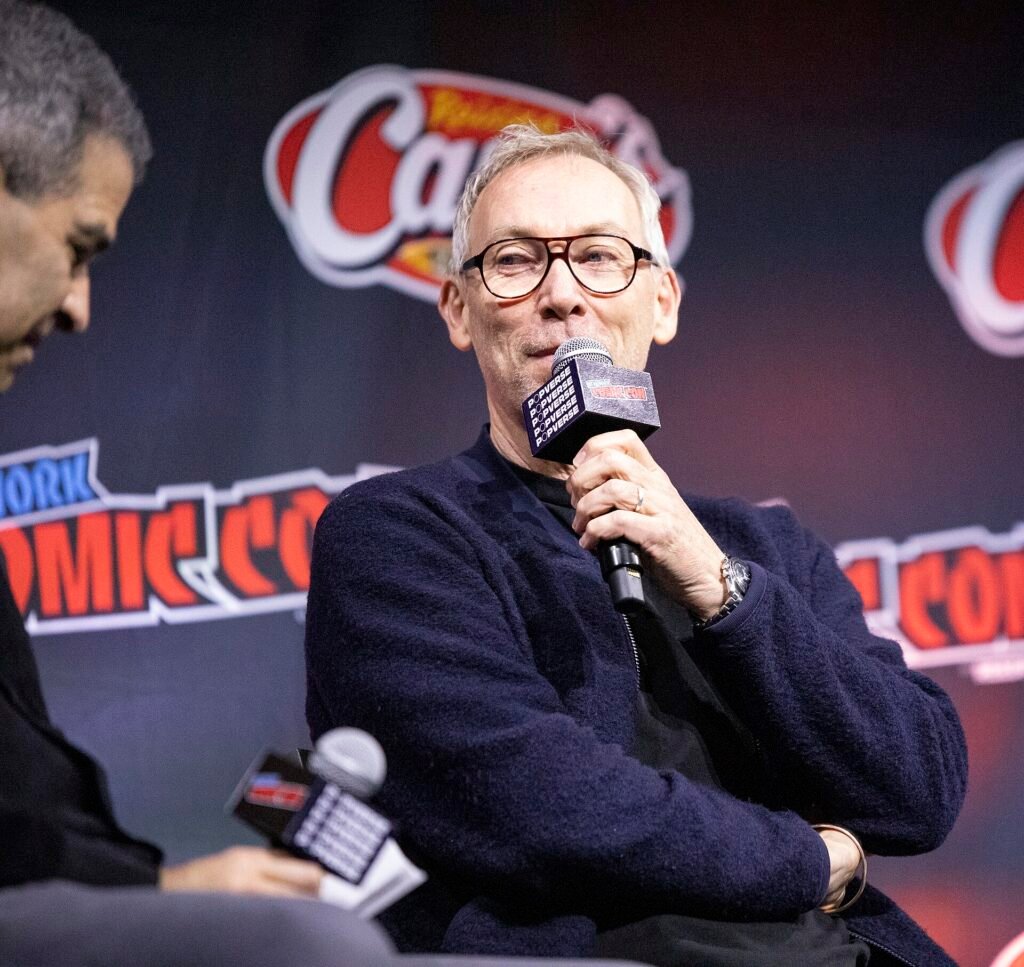
However, Simon McQuoid must be commended for doing an excellent job directing such a challenging film. Given that this is McQuoid’s debut film, he has certainly done well in terms of creating visual effects and action sequences. It is clear that his background in commercials has had an effect on the film.
Atmosphere is one of the key elements of cinematography used in McQuoid’s film. Most of the scenes use dark lighting, cold color palettes, fog, and shadows. It works well for Sub-Zero.
Nevertheless, cinematography sometimes turns out to be too dark. The visibility in some action scenes is poor due to the overuse of shadows and dim lighting.
However, the cinematography of Germain McMicking is still worth mentioning in a positive manner. The film has an excellent visual style. The opening shot in feudal Japan is especially gorgeous.
Moreover, McMicking does not make too many shaky camera shots while the characters are fighting. The audience will be able to see what is happening without any problems.
The visual effects have produced both good and bad outcomes, although mostly positive ones. The ice effects for Sub-Zero are truly spectacular from start to finish. The freezing blood dagger effect is particularly stunning.
The hellfire effects for Scorpion have been surprising effective. The film-makers made the right decision by going with stylized fantasy rather than trying for realism.
There are some CGI aspects that seem less realistic compared to others. For instance, the character Reptile is at times perceived as being too digitized and weightless in his scenes. Goro was also polarizing due to his extremely computerized nature.
However, it should be noted that the film does not overwhelm the audience with constant CGI. Fight choreography remains the central aspect of most action sequences in the movie.
Performances and Character Problems
Another contentious issue is that of the personality of Cole Young. Lewis Tan does quite an admirable job playing the part of Cole throughout the film. He manages the action sequences very well.
Nevertheless, the character himself lacks the charisma of such established favorites in the franchise. Cole tends to be overshadowed by other famous characters around him. The fans obviously wanted more of Liu Kang, Johnny Cage, or Scorpion.
The criticism associated with Cole is largely based on fan expectations. It is always highly risky to create an entirely new hero for the storyline. Fans wondered why the existing heroes were not utilized.
It could be that Cole would have been more appropriate in another franchise altogether. This was never about the performance of Lewis Tan. It was all about integrating a new character with fan-favorite heroes.
Josh Lawson easily manages to give the best performance in the movie as Kano. He steals the show every time by sheer charisma and enthusiasm. Kano adds some much-needed comedy without being obnoxious.
Lawson knows the type of film that he is in perfectly. He accepts the ridiculousness of the situation but manages to make his character, Kano, seem threatening.
Jessica McNamee gives Sonya Blade strength and determination. Mehcad Brooks also adds charm to Jax. Ludi Lin brings the heroic demeanor to Liu Kang that is needed.
The performances, for the most part, are more effective than most critics have credited them to be. All of the actors are devoted to the world and mythology. Nobody seems embarrassed by the story.
Story, Themes, and World-Building
As for the plot, it is completely loyal to the games. Earthrealm is once again under the threat of being invaded by Outworld and Shang Tsung. All the main characters are true to their nature and abilities.
Nevertheless, there are some important changes in the structure of the movie. There is no proper tournament in the film. Instead, Shang Tsung tries killing the Earthrealm fighters prior to the tournament.
Such decisions caused dissatisfaction among many spectators. People were expecting a tournament from the movie called Mortal Kombat. However, the plot seems to be more concentrated on preparations.
Furthermore, the notion of the Arcana is mentioned in the movie, which is used to describe the abilities of the characters. They gain their power by awakening emotionally.
Some people liked the effort put into making sense of everything. Others thought that powers didn’t need any explanations in the first place. The discovery of Kano’s laser eyes through Arcana was particularly contentious.
Nonetheless, the film has deeper themes than one would have thought. Themes such as legacy and lineage are important throughout the story. Cole’s association with Scorpion adds to that sense of legacy.
Family Themes
Family is another important theme in the movie. Cole struggles to defend his wife and child. Likewise, the misfortune of Scorpion also involves his family.
Themes of identity and self-discovery can be found in almost all character arcs. The fighters need to learn about their true identities before tapping into their powers.
But on most occasions, the film emphasizes spectacle over substance. At times, the dialogue scenes can come off as too stiff or overly expositional. There is also a noticeable slowdown in pace for the middle portions.
In the end, the beginning of the film poses its greatest obstacle. Setting the bar so high means that the rest of the movie will have difficulty reaching that level. Anything involving Scorpion or Sub-Zero makes the film better.
Their rivalry is what gives the entire franchise an emotional core. In their absence, some parts lack excitement. Most people would have loved to see the movie built on their rivalry.
It is not the case that all other parts of the movie are terrible. The movie still provides fun action scenes and good atmosphere. It is much more respectful than
Final Thoughts
The Mortal Kombat formula works at its best when it indulges in brutal fantasy and iconic characters. It falters most when it becomes too much about setting up the story.
In light of what the sequel reveals, this is clearer now than ever. There was always a plan to expand beyond the single film. The 2021 reboot is starting to feel like the first step in that direction.