Motor City Review 2026
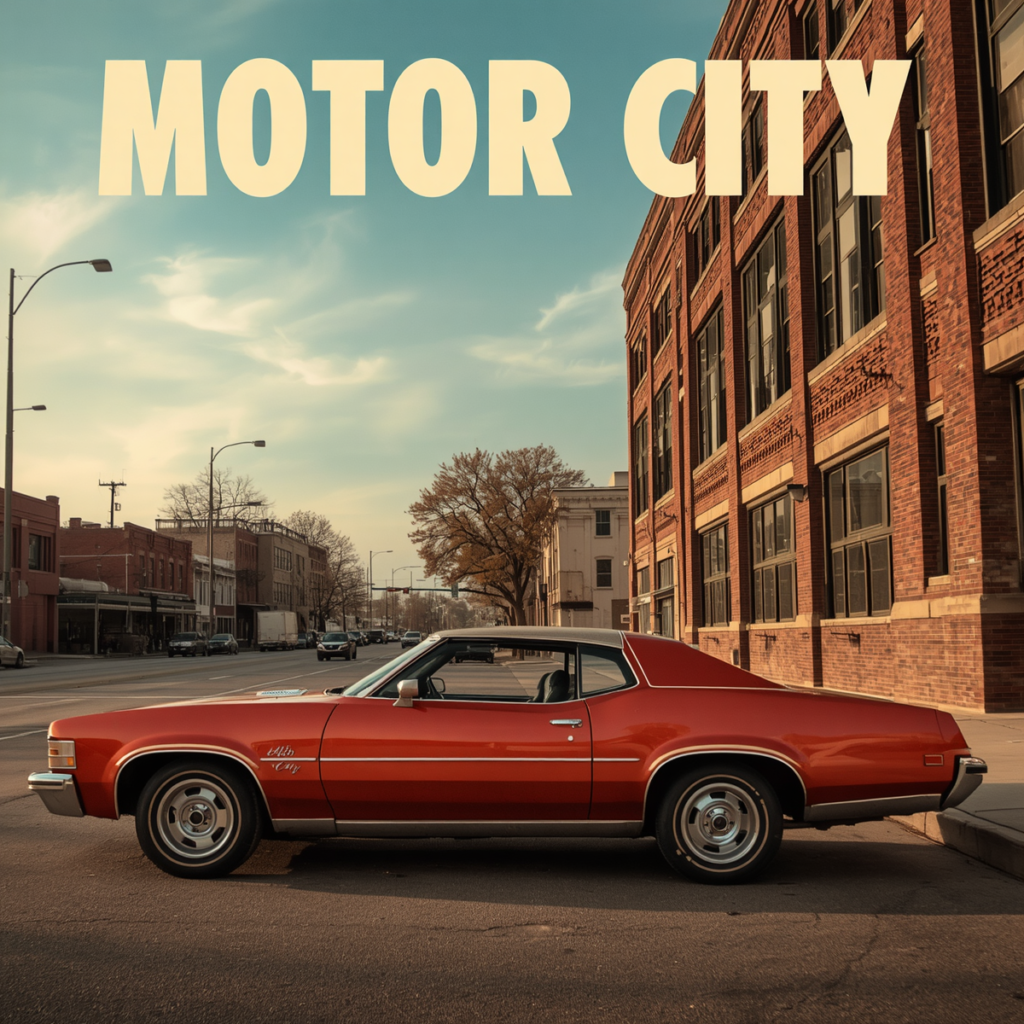
Potsy Ponciroli — director of (Greedy People 2024) and (Old Henry 2021) — brought Motor City to cinemas on the 24th of July.

©Creative Commons Attribution-Share Alike 4.0
Motor City is an action movie through and through but with a twist, and that twist being no dialogue.
Starring Reacher‘s Alan Ritchson, Shailene Woodley, and Ben Foster, it is a toxic love triangle — where egos clash — that becomes the driving force of the movie.
The interesting part about this movie is the lack of dialogue, with only 5 lines for the most part; this combination came with more issues than they bargained for.
Now Sisu and films like John Wick prove that keeping dialogue to a bare minimum can work — but Motor City could not pull off the same trick.
Given its 1970s setting and sparse dialogue, the needle drops make a welcome touch, and classic tracks tie the drama and setting into something compelling that makes the first act genuinely enjoyable.
But when the soundtrack grows so over-stimulating that it distracts from the story, it starts to work against the film — and in moments where the original score could have added more weight to the scenes, overfamiliar songs that competed with other movies took its place.
Sometimes simple sound effects are all it takes to bring a scene to life. When a film synchronises with its score, the music brings a stronger realism and quality, sets the mood, and evokes an emotional response from the audience. Motor City delivered the opposite.
Motor City excels visually — the costumes, set design, and cinematography capture the 70s era, and that deserves credit.
The director, cinematographer, and production designer worked their creative minds seamlessly, showing glimpses of what they wanted to achieve, with the right lighting, exposure, and tone not only contributing to but creating the overall look of the film; their stylistic choices hinged the theme of the story and amplified the fight scenes tremendously.
In a film where weak plot devices hold it back and the filmmakers underused their actors, the cinematography and choreography impress the most.
The lack of dialogue should have given the actors more room to explore their space and emotions. Instead, the film did not allow some actors to develop their characters.
Shailene Woodley is a brilliant actress with a wide range, as proven by past projects like The Fault in Our Stars, To Catch a Killer, and the Divergent franchise.

By Danielle G. Campbell
©Creative Commons Attribution-Share Alike 4.0
With such capability, she clearly showed that she can take any character to the next level. Yet, the film severely restricted her and cast her in a cliché role.
Ben Foster is notorious for playing layered and wide-ranged antagonists in films like Inferno, 3:10 to Yuma, and Hostage.

By Danielle G. Campbell
©Creative Commons Attribution-Share Alike 4.0
Yet, Motor City did not position him as central to the scenes. A slow-motion sequence suffocated his most expressive scene—and one of the best scenes of the movie—preventing it from getting enough time to connect with the audience.
The film utilizes Alan Ritchson’s character efficiently, making him the only character who benefited from the exclusion of dialogue.

While the lack of dialogue did not work for him in the first act, it eventually collaborated with the intense fight scenes to emphasize his imposing structure and brutal aggression.
All the elements came together in these sequences, especially when paired with the original score.
The concept for Motor City has unlimited potential, but the filmmakers misused and underutilized it. Fans of Alan Ritchson who wanted an extension of his Reacher character will enjoy this movie from beginning to end.
However, if you want a unique narrative and strong performances from talented actors, this film will disappoint you.