NAZA movie review: A Chilling Investigation into AI Warfare
Introduction
While some documentaries have the ability to shine a light on a secret world, others open your eyes to a whole new understanding of our current world.
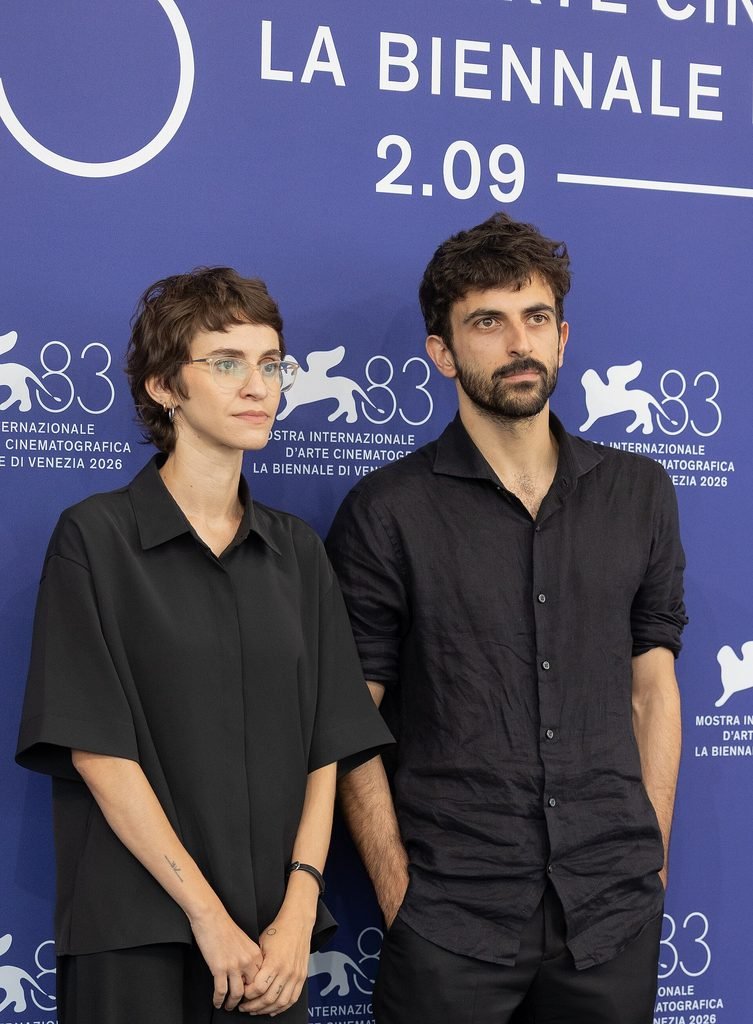
NAZA is an incredibly disturbing documentary directed by Israeli journalists and filmmakers Yuval Abraham and Rachel Szor.
It explores how modern warfare uses artificial intelligence, mass surveillance and targeting systems.
This documentary, co-produced by The Guardian and JW Films focuses on how decisions regarding human lives can be made using algorithms, intelligence files and military programmes.
It takes its name from the Hebrew phrase Nezek Agavi, which translates to ‘collateral damage’ As explained in the film by the whistleblowers, there is a system in place known as a ‘NAZA value’ which calculates how many civilian casualties are acceptable to occur during an airstrike.
This is a very daunting concept, however gives the documentary its main argument. When human lives turn into numbers, there can be a dangerous gap between the person making the decision and the outcome.
This film tells an incredibly personal story of targeted automation in Gaza and contains interviews with 24 anonymous Israeli military and intelligence insiders.
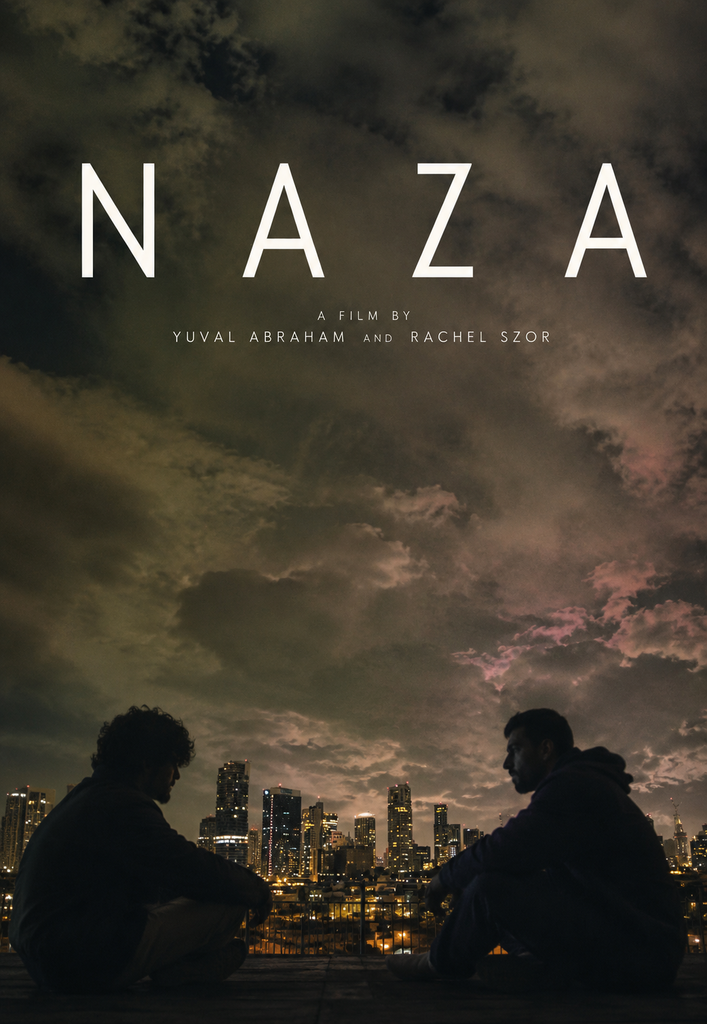
This documentary was filmed in secret on rooftops at night in Tel Aviv. It has an investigative nature and really understands how using film can help to deliver an element which may not be easy to achieve in traditional journalism.
A Different Kind of War Documentary
Abraham and Szor utilise a very minimalist approach to the documentary. As opposed to including long sections on action shots from battlefields and dramatic reenactments, they utilise the interviews from anonymous sources.
The whistleblower’s interviews are shown using shadowy visuals. Their voices have been altered so that we do not know who they are.
We learn how they collect intelligence, identify potential targets and how automated systems can affect decisions made by the military. They give us insight into various parts of the process of identifying targets.
This was done very well by filming the interviews on the rooftops of Tel Aviv. This gave a great contrast because the city was continuing on as normal with bright lighting from restaurants, streets and apartment buildings.
This is a very straightforward concept but very effective. The documentary gives the impression that the system used in modern warfare is mostly hidden and those involved in the administration of it live a normal life.
Yuval Abraham and Rachel Szor’s Chilling Direction
©Creative Commons Attribution-Share Alike 4.0
Abraham and Szor have worked together before on the Oscar winning No Other Land. They therefore have a good understanding of how best to blend investigative journalism with cinematography.
Their approach is very simple but not sloppy. They allow the camera to be still throughout the interviews to give focus to the stories and testimonies of the whistleblowers.
This trust is shown through leaving the shots quite long and not cutting around too much to show everything.
They have chosen to leave out the traditional interview style.
They have made their sources look like black silhouettes in the night sky. Almost like the targets they are describing they identify using military software.
This makes you feel uncomfortable knowing there are people running these systems.
The cinematography also reminds me of Jonathan Glazer’s The Zone of Interest, as both Glazer and James Wilson (producer) were involved.
Both films look at how normal settings can coexist with extreme violence and how people can detach themselves from the consequences.
In NAZA this detachment has not been done through a physical barrier but through technological, bureaucratic and linguistic methods.
There was one incredible moment in the documentary where an air raid siren could be heard during an interview.
We see a rocket flying across the night sky. This reminded us that this conflict is not an abstract topic or something from the past. It is happening in the real world around the filmmakers and their interviewees.
Rachel Szor’s Cinematography: The Power of Shadows
The cinematography is an important factor of the film. The night time scenes on a rooftop give the movie a unique look, and the shadows and lighting help to enhance the themes.
The palette consists mainly of dark shadows, cool blues and bright greens. This gives a feeling of the military computer systems. Overall it gives the film a very clinical feel and makes it seem very related to the technology.
The close-ups are used effectively throughout the film. At various points the camera zooms out from the silhouettes and focuses on the interviewees’ hands as they draw diagrams and maps onto paper. This adds a personal aspect to the film.
The contrast between the hand-drawn diagrams and high tech systems being discussed is really interesting.
It shows that although the systems may be complex the results of using them are very personal.
The still shots during interviews also contrast well with the occasional movement of the camera towards the city below.
Throughout the film the creators remind the viewer that the people talking about these systems are not cut off from society. They are part of an operational civilian area.
The Dehumanisation of Modern Warfare
The most worrying part of this film is how the technology can influence the way we talk about and implement military force.
The whistleblowers talk about how they are able to take information and turn it into data, human targets into targets listed on a screen, and they are able to put limits on how many civilians can be killed.
The film makes us think about how we now have more systems in place to make life and death decisions and how responsibility is shared between many different people.
The point about the NAZA value is very important. By setting a ‘limit’ on how many civilians can be killed shows how they can use bureaucratic language to make killing seem like a normal occurrence.
The documentary discusses how there is a mental detachment from the person who is making these decisions.
They will never actually see what happens because they are working from behind a screen. This makes the whole situation very extreme as it is happening in a normal office environment.
This is why I feel Glazer and Wilson are relevant. Like the film they are interested in how institutionalised violence is a mundane occurrence. This helps to show how individuals can get involved with systems of harm.
However, the film does also look at wider issues. It makes us think about how international systems enable this technology.
Foreign governments are also involved and there is funding and advanced technology. The focus on the US reminds us that the systems in place for modern warfare go far beyond the country.
A Dangerous Investigation
The conditions under which this documentary was produced are fascinating in themselves. Obtaining accounts from 24 current military and intelligence insiders in a country with a high level of surveillance was difficult.
It was clearly important to ensure that the sources were kept safe. The use of silhouettes and altered voices help to mask identities.
There was a significant amount of pressure involved in encouraging the individuals to speak about their experiences.
Speaking out in these industries could have severe implications for those involved. The team had to build up a relationship with individuals who were placing themselves in a vulnerable position.
The international nature of the film with The Guardian and JW Films meant that it could reach more people.
The film gained a lot of attention when it was shown at the Venice Film Festival, receiving a standing ovation of 25 minutes.
However, there was some strong backlash from the Israeli Military. They do not agree with what is portrayed in the documentary.
They have claimed that the documentary focuses on the initial stages of intelligence gathering without considering the review process with commanders and legal advisors.
This is an important point to consider, however the film does include accounts from anonymous sources.
Each individual claim should be looked at with consideration of the evidence provided. Abraham has defended the sources as they were thoroughly checked and their accounts were backed up with investigative journalism.
The strengths of the documentary are that it provides the accounts and raises valid questions.
Where the Documentary Falls Short
Overall the documentary isn’t entirely successful as a piece of filmmaking but the biggest issue with it is that the accounts given can be quite disjointed.
There are 24 whistleblowers each speaking about their unique role and experience within the military intelligence system.
Some give insight into the automated data systems, others talk about the phone tracking, identifying targets and decontamination of buildings.
Whilst all these accounts are great and useful, there are parts where the documentary feels very disjointed.
This can leave you feeling like you’re missing out on the bigger picture, as each account is a separate revelation.
The topic is very complex and could have benefited from some extra background information so those who are not familiar with military intelligence can understand how the systems fit together.
A further issue with the documentary is how much evidence was shown. Although it is very engaging to watch anonymous whistleblowers speak, there are not many specific dates, documents or verifiable evidence shown throughout.
This means some of the claims are not very easy to argue against. As the topic is very politically sensitive, the military have denied the claims.
Whilst the evidence is not insignificant, as a viewer you need to recognise the difference between what the whistleblowers are saying, what has been found by the filmmakers and what can be argued.
Overall it was an emotional documentary to watch. Although the subject is presented very subtly, it can be difficult to take in.
Hearing time and time again about the automated targeting and the calculated deaths of civilians is very upsetting. There was not much respite from the heavy topic.
Final Verdict
NAZA is a truly chilling and vital piece investigative journalism. The film’s incredible access and bold visuals can be made somewhat confusing by its disjointed narrative and lack of in-film evidence.
However the film does make it hard to ignore the issues it raises around AI, responsibility and dehumanisation within war. Overall Abraham and Szor have created a truly lingering documentary.