One Battle After Another review
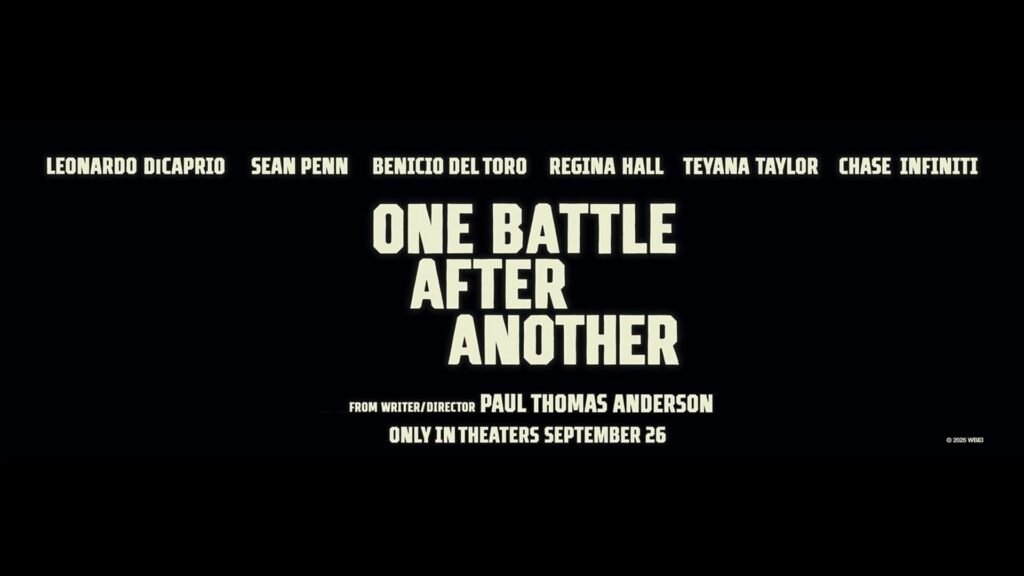
Overview: One Battle After Another review
In this One Battle After Another review we will look at how the movie achieved it’s aims. One Battle After delivers an ambitious blend of action, satire, and character drama. Moreover, Paul Thomas Anderson writes and directs the film. He previously created There Will Be Blood.
Additionally, the story draws loose inspiration from Thomas Pynchon‘s Vineland. However, Anderson reshapes the source material heavily.
The film stars Leonardo DiCaprio, Sean Penn, Benicio del Toro, Regina Hall, Teyana Taylor, and Chase Infiniti. The story follows “Ghetto” Pat Calhoun, played by DiCaprio. Previously, he worked as a bomb-maker for a radical group.
Now, he survives independently using the name of Bob Ferguson. Simultaneously, he brings up his daughter Willa (Infiniti) alone. But Colonel Lockjaw (Penn) starts chasing them both. Consequently, Bob is forced to return to his dangerous past
The movie starts off with a tone that is intense and confusing at first. Yet, at the same time, it creates emotional connections in the form of father-daughter bonding.
Production, Style, and Action

©Creative Commons Attribution 4.0
The project took Anderson more than a decade to develop. First, he thought of two stories. The first one was a story about a massive car chase. The other one had an innovative narrative. Finally, he combined the two into one story.
Additionally, he opted for shooting using VistaVision cameras. This way, his movie gains a beautiful texture. The old lenses are used intentionally to soften the picture, preventing it from looking too sterile.
Lighting is a crucial element in the entire movie. In the film, the constant movement of the camera provides dynamism. Wide shots allow the actors full freedom of movement while also recording minute details of emotion.
Undoubtedly, the “River of Hills” chase scene was a significant feature. Significantly, the group shot the chase scene on actual desert roads. Instead of following a script, Anderson shot the best footage possible from different angles.
They incorporated live accidents and live effects. Hence, the action is realistic and intense. Notably, the sequence does not use any computer-generated images and background music. In turn, the tension is created through pure sound design.
Metallic hits, engine noises, and environment sounds prevail in the scene. Hence, the experience becomes immersive. However, the film changes its tone very often. First, it creates an energetic pace. Afterward, it becomes more character-oriented.
It adds variety. But there is also inconsistency. Improvisation was advocated by Anderson during filming, so the acting became unpredictable.
And he retained all the unplanned moments in the final version of the movie. This gave the movie an element of spontaneity.
Music, Themes, and Political Commentary
Jonny Greenwood composed the music for this film. Sometimes, music is used to enhance the intensity of the film. For instance, music composed using rhythmic sounds creates intense tension, while the synths add emotionality to scenes. However, there are other instances where the music is too much and even overrides emotional scenes.
Themes
Various themes have been covered in the film. One such theme is that of parent-child relationship.
In this regard, it is a question whether children make the same mistakes as their parents. Bob attempts to protect Willa from his past.
Nonetheless, she begins to develop her own identity. Thus, a tension is established between protection and independence.
Moreover, another theme that the movie considers is that of failed revolutions and its impact on people’s lives. Eventually, dreams become disillusioned or corrupted.
This leads the characters to be disillusioned as well. This means that their actions show disappointment.
Power and resistance are other themes in the movie. It does this through Sensei Sergio.
In contrast, authoritarian states continue to exercise more power. In this case, one can see how important it is. Moreover, one can speak about the theme of immigration. The movie starts with the story of a detainment center raid.
Family members get separated from one another. Thus, it sounds relevant and disturbing.
It should be noted that Sergio creates an illegal network to help immigrants go away. At the same time, there are raids organized by the government forces.
One Battle After Another gives an open criticism of the discourse of dehumanization. Immigration is portrayed negatively by the representatives of the authorities.
Nevertheless, Sergio’s approach seems to be more successful and humane. People who watched this movie gave different responses.
.
Performances and Reception

The acting skills of Leonardo DiCaprio are quite subtle. He prefers exhaustion and paranoia to intensity. Therefore, the actor is very credible on screen. His sense of humor works well together with his vulnerability.
The performance by Chase Infiniti is a memorable one. She changes from being an angry teenager to a survivor. Additionally, she holds her own among seasoned actors. Thus, she becomes the soul of the movie.
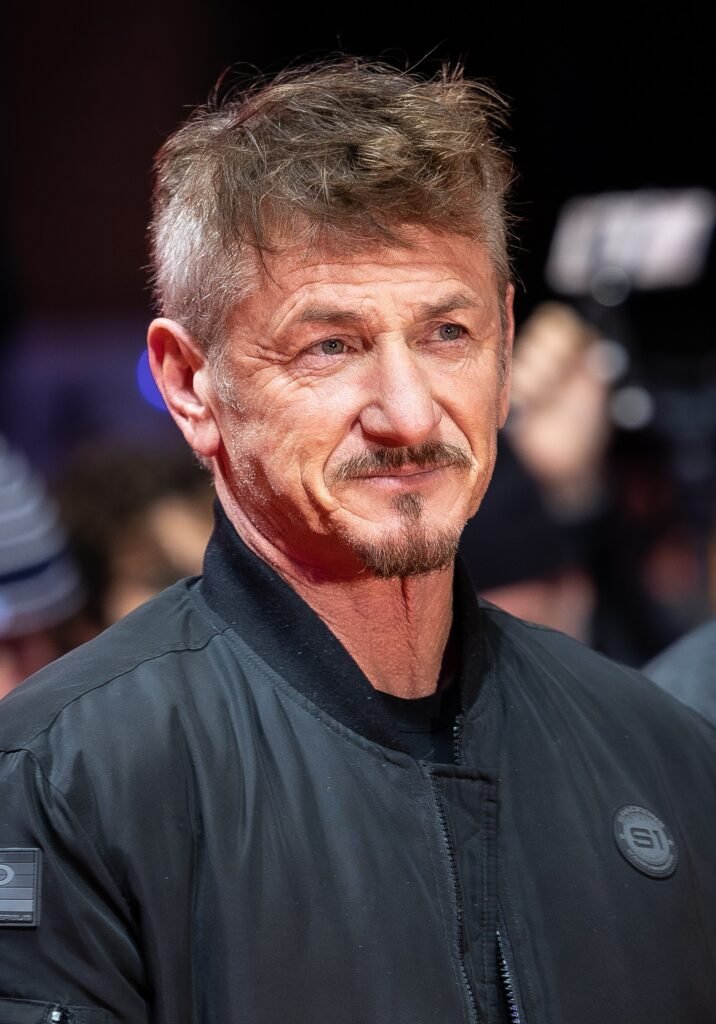
Sean Penn creates a striking and memorable villain. His exaggerated performance adds both menace and dark humor. As a result, Colonel Lockjaw feels unsettling yet fascinating.
©Creative Commons Attribution-Share Alike 3.0
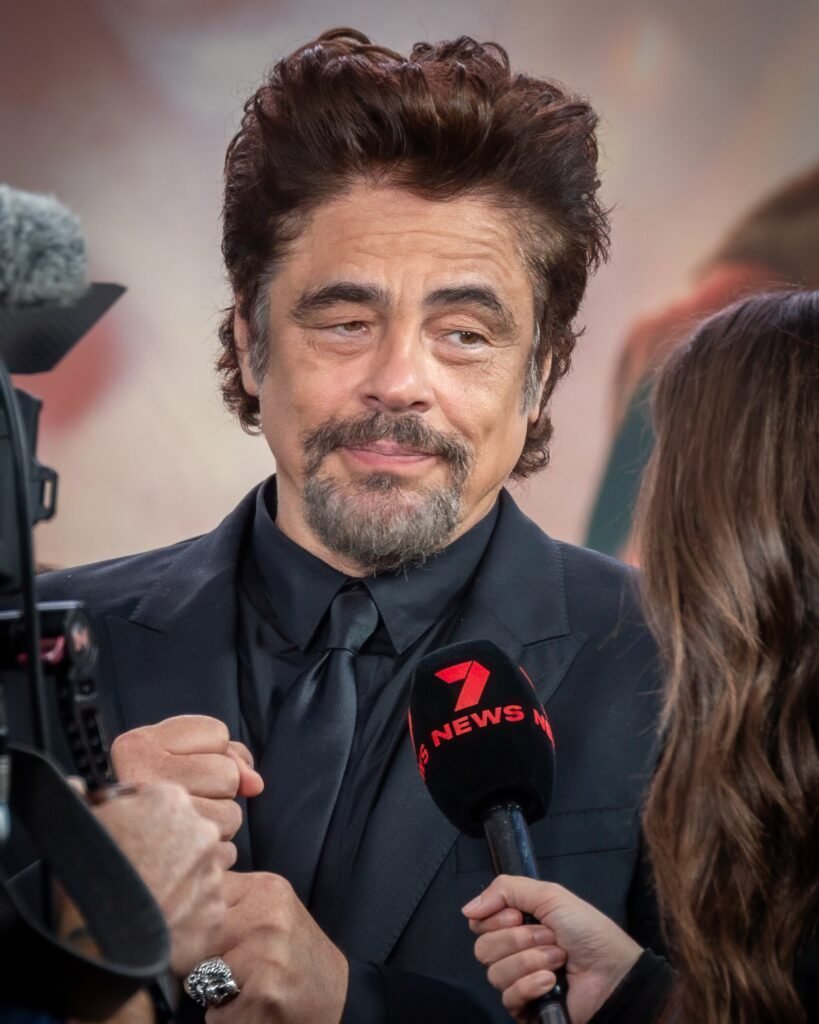
Benicio Del Toro brings calm authority to his role. Despite limited screen time, he leaves a lasting impression. His scenes feel focused and impactful.
©Creative Commons Attribution-Share Alike 4.0

Teyana Taylor delivers a powerful early performance. Even after her exit, her presence shapes the narrative.
Regina Hall adds quiet emotional weight. Meanwhile, the supporting cast strengthens the ensemble.
Critics responded positively overall. The film won major awards, including Best Picture and Best Director.
However, audience reactions remained divided. Some viewers admired the ambition. Others criticized the execution.
Strengths and Weaknesses
The film shows great technical merit. Its visuals appear vivid and engaging. Moreover, the action is very gripping and realistic.
Finally, the acting is good. DiCaprio and Infiniti perform outstandingly.
Moreover, One Battle After Another manages to feel relevant today. Hence, it will be meaningful to today’s audience.
Unfortunately, its length causes major problems. Being more than two hours, it makes the pace slow. Some scenes drag on.
The structure also feels uneven. The film shifts abruptly between action and drama. As a result, the narrative feels disjointed at times.
Character development presents another issue. Many characters feel underdeveloped. Therefore, emotional moments lack full impact.
The political messaging sometimes feels too direct. As a result, subtlety disappears in key scenes.
Finally, the ending creates mixed reactions. After prolonged conflict, it resolves too easily. Consequently, the conclusion feels inconsistent with the tone.
Final Thoughts
One Battle After Another is a daring and highly ambitious movie experience. When done well, it makes for an exhilarating and visually dazzling experience.
In addition to being ambitious, it delves into some highly relevant topics. However, it suffers from problems in terms of structure and pacing.
Nevertheless, despite all this, the movie stays interesting. This means that it should be considered because of its sheer ambition.
The film should be seen in as big a screen as possible. Besides, be ready to spend a considerable amount of time watching it.