Onwards And Sideways Movie Review: A Powerful Drama
Introduction
Some movies take a serious approach to portraying illness, whilst others focus on comedy during life’s harsher times.
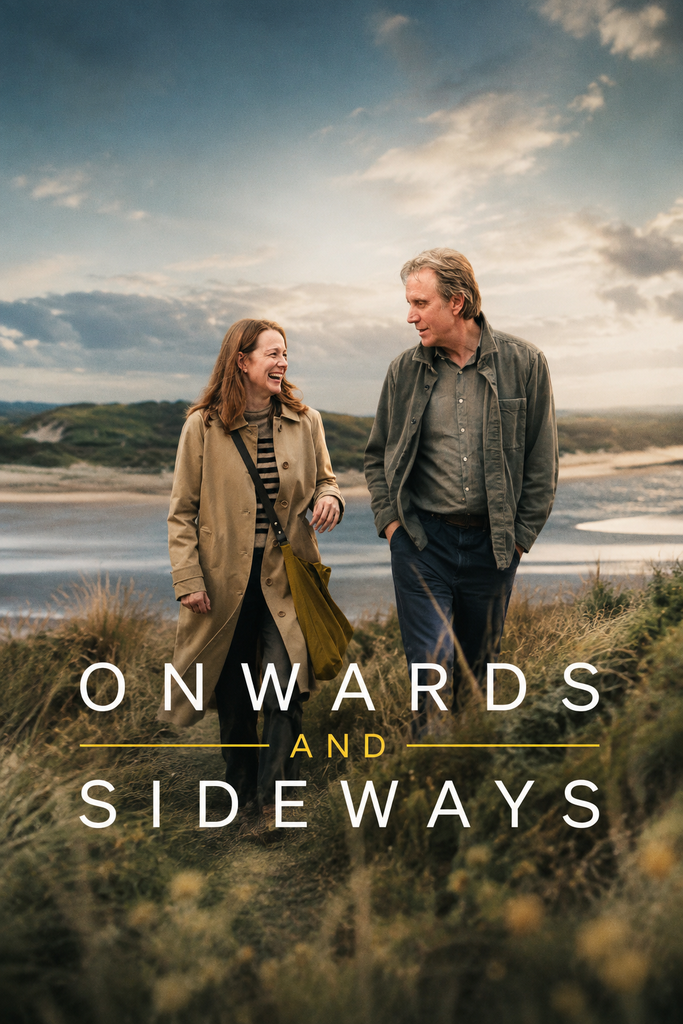
Onwards and Sideways takes a balanced approach to this. This heartfelt British drama directed by John Madden follows the story of Parkinson’s disease through an unlikely friendship and is ultimately a story about love, perseverance and laughter.
Onwards and Sideways was released in UK cinemas on the 6th of November 2026. The film focuses on the real-life experiences of writer Paul Mayhew-Archer who has lived with Parkinson’s disease for fifteen years.
This gives the script a genuine feel which traditional illness focussed movies can struggle to provide.
Following two strangers coming to terms with a devastating diagnosis, this film starring Rhys Ifans and Laura Linney slowly builds up into a heartfelt relationship.
Whilst there are some sentimental moments throughout the movie, it is an uplifting celebration of human connection.
An Unexpected Connection
Tony Evans (Rhys Ifans) and Emma Kent (Laura Linney) are two very different people; a primary school deputy head and a single mother and musician. Both however will be diagnosed with Parkinson’s disease in the same clinic.
The next few years show how these two must reshape what they want out of life, their careers and relationships. Having a progressive neurological condition means having difficult conversations.
As their situations start to align they begin to come together. They find a friendship through doctor appointments and support groups. They also find they can let go through dance therapy and music.
Their relationship is very effective because it is not clear what they are. It goes from being friends, to having feelings and something more. This is allowed to happen naturally.
John Madden’s Sensitive Direction
John Madden is great at keeping things very subtle. He has worked on films such as Shakespeare in Love and The Best Exotic Marigold Hotel before and creates a similar approach to making difficult subjects easy to understand.
He does not simply make Parkinson’s a dramatic device but shows how it affects characters in their daily lives. Many small frustrating moments can have just as much emotional impact.
The time span of 5 years has been handled well. It makes the characters feel like they are evolving naturally. The physical and emotional growth creates a realistic feel.
Throughout the film, there is not a feeling that the comedy is disconnected from the rest of the film. Tony and Emma both use humour to help them face situations that could be too much.
Madden knows that you can have comedic elements while still keeping the serious nature of the situation.
There are some moments where the narrative feels a bit cliché. Some of the emotional aspects follow the typical illness storyline. However, the director has kept most parts of the film quite realistic and empathetic.
Warm Cinematography and the Freedom of Movement
The cinematography by Danny Cohen helps add to the emotional nature of the film. Warm lighting has been used to create a friendly feel instead of using stark lighting inside the hospital.
The framing helps show how their relationship with their body changes throughout the film. At times the framing makes them feel like they are trapped by their surroundings.
This helps to give the viewer an insight into how a diagnosis can suddenly limit their possibilities.
However, when the music and dance scenes begin the cinematography becomes much more fluid. This creates a dramatic contrast to show how limiting Parkinson’s can be.
Throughout the story music is an important part. Thomas Newman has created a score which helps support the emotional elements. Combined with the movement and cinematography there are some really uplifting moments.
Rhys Ifans and Laura Linney Lead Exceptional Performances
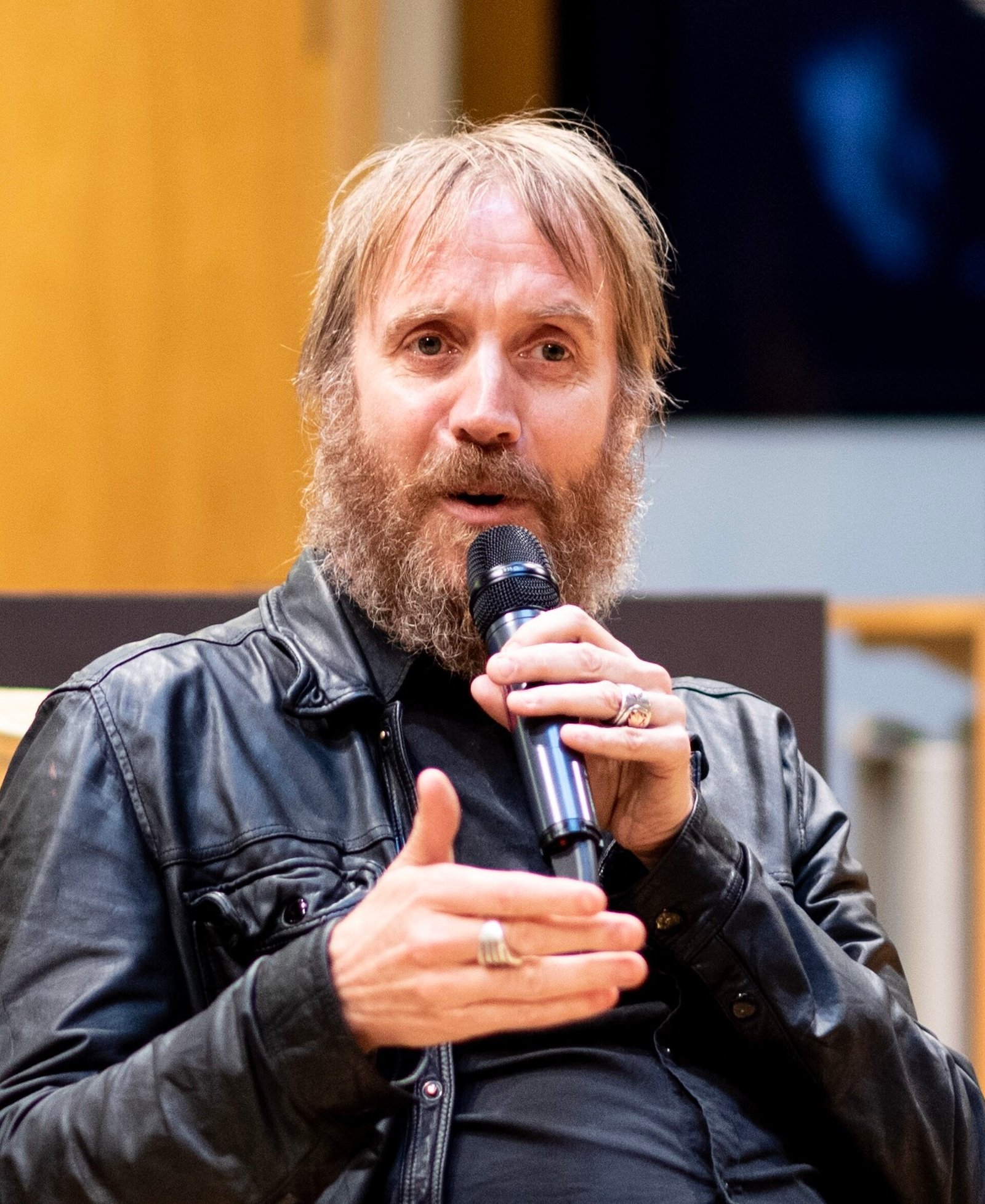
Rhys Ifans plays the role of Tony brilliantly. His performance includes some excellent comedic moments and makes the character very likeable. The frustration of the character is shown and his personality does not get lost.
The physical aspects of the role are done excellently. He shows the fluctuating symptoms well but without making him seem like a list of symptoms. He still acts like a real person throughout.
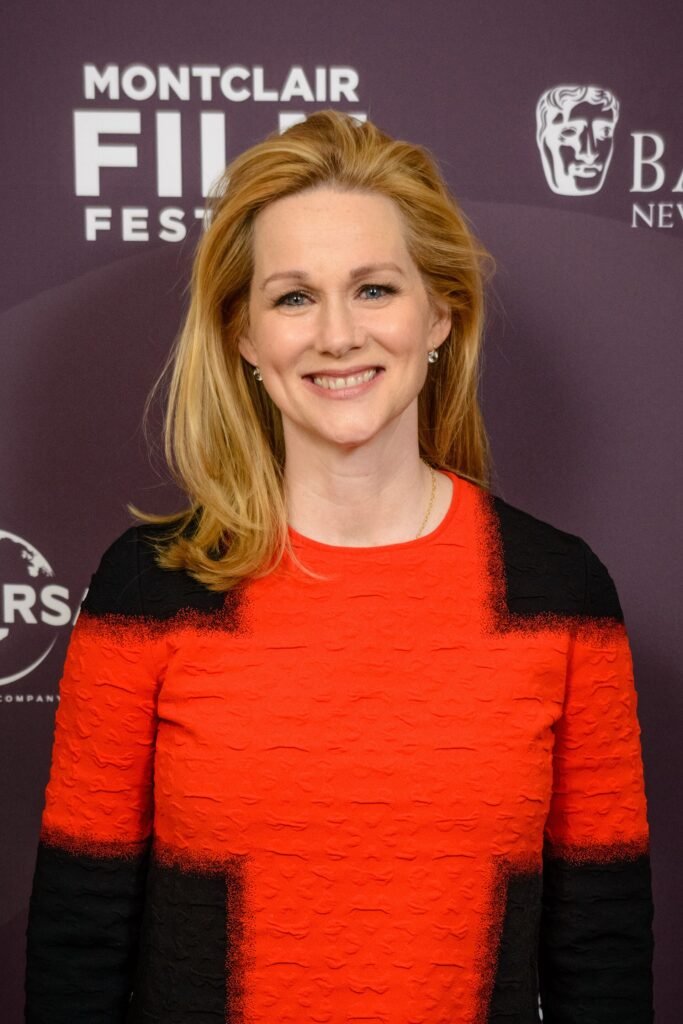
Laura Linney is equally brilliant as Emma, showing a strong-willed woman fighting to keep her true self. She has to find a way to be a good mother, an artist and deal with uncertainties in her diagnosis.
Linney is full of warmth in Emma’s methods of dealing with her situation. She shows Emma has underlying fears but keeps her from becoming too detached because of her independence.
Ifans and Linney have great chemistry. Their relationship is very realistic. They have uncomfortable silences, inside jokes and real moments of affection. This is the best part of the film.
The performances of Monica Dolan and Rory Kinnear are great but are not given much depth within the script compared to our main couple.
Monica Dolan is underused. Whilst at times her role does feel a little limiting, she is incredibly talented and there was potential for her to be given more interesting roles in the film.
Humour, Parkinson’s and the Importance of Authenticity
The most successful aspect of this screenplay is its portrayal of Parkinson’s Disease. The writer uses her own experiences and not just research to make the dialogue very realistic and straightforward.
The film shows many symptoms of the disease that you may not be as familiar with. The film features night terrors, loss of smell and impulsiveness due to medications. This helps to show the complexities of the condition.
In particular, the gambling caused by medication really stood out. This really shows how much of a challenge the medication can be.
The condition does not just affect movement but also affects daily routines, relationships and personal choices.
However, some parts of the screenplay do go into too much detail about symptoms. This can feel a little forced.
Whilst it is important to include these details, there are times when the story focuses more on showing how varied the condition can be.
The humour in this film is an important part of its identity. Mayhew-Archer believes that laughter can be a tool of resistance.
Whilst it does not take away the pain they are experiencing, it provides them with an alternative way to deal with it.
This stops the film feeling too negative and also does not imply that everything will be fine if you have a positive attitude.
Tony and Emma still go through tough times, uncertainty and real frustration, however they can laugh which can make it easier to cope with.
A Moving Relationship Without Romantic Clichés
Rather than falling into the clichés, Onwards and Sideways has an interesting love story. The main couple’s relationship is built on a connection, and understanding between them.
Tony and Emma understand each other better than others may and they both have similar fears that can be hard to express. This creates a solid friendship between them.
There are some beautiful moments within the film where they do not necessarily need to be overly dramatic. They can have the simplest moments which create real emotion.
This gives their relationship a realistic feel and allows the actors to really get into their roles. The emotion comes from watching the two characters adjust to each other.
Overall there are some moments were the storyline falls into a predictable inspirational drama. Some parts feel a little too predictable, especially at the later part of the timeline. The story could have been even better with a more unusual structure.
Where the Film Loses Its Way
Onwards and Sideways is not a completely successful film despite having many positive aspects and its main downfall is that it can rely too heavily on typical illness drama tropes at times.
The 5 year time span can feel very over-played. Everything happens in a very predictable way and some things can feel too deliberately designed to make you feel an emotion.
The last 5 minutes are disappointing. The film adds too much of a saccharine ending which is not needed. The emotional message is delivered better in previous scenes.
A calmer ending would have made more of an impact. However, the last few moments can take away from what makes the film so successful and subtle. As well as this the story has already made us feel something so it is frustrating.
The secondary characters could have been given more attention. Monica Dolan and Rory Kinnear are good actors but their character lacks depth.
Overall though these negatives do not take away from the amazing aspects of the film. The central performances are still engaging and the realistic script is captivating.
Final Verdict
Onwards and Sideways is an affecting British drama with two outstanding central performances. Its humour and honesty make difficult subject matter surprisingly uplifting. Despite an overly sentimental ending, it leaves a lasting impression.