Scream 7: Does the Horror Franchise Still Deliver the Thrills?
Introduction (Warning contains Spoilers)
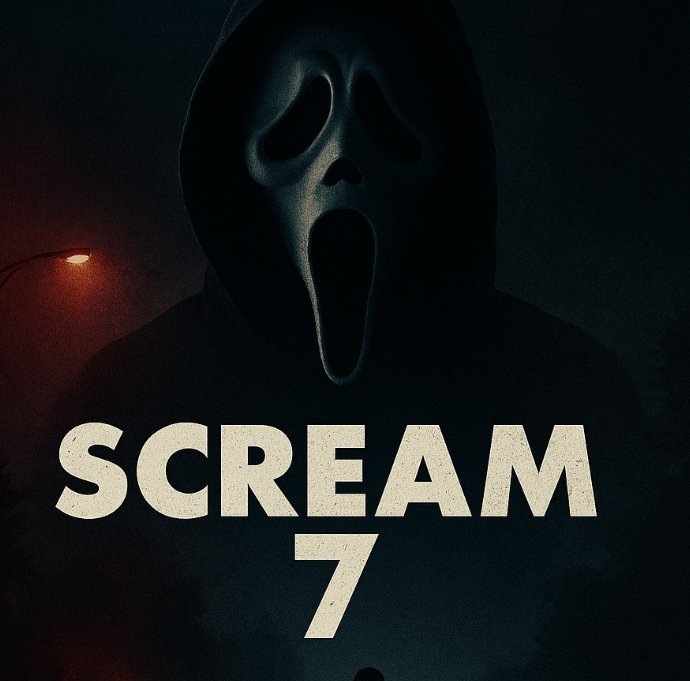
Scream 7 arrives as the seventh entry in one of horror’s most recognizable franchises. Directed by Kevin Williamson, the original writer behind Scream, the film attempts to reconnect with the roots of the series while also continuing its story nearly three decades after the original Ghostface murders.
After the success of Scream and Scream VI, expectations were high for another strong entry. Instead of continuing directly with the characters introduced in those films, the story pivots back toward the franchise’s most iconic survivor, Sidney Prescott. This shift gives the movie a very different tone from the previous two installments and turns the film into something that feels both like a continuation and a reflection on the series’ long history.
Development and Behind-the-Scenes Turbulence
One thing that stands out when watching the film is how much its unusual development seems to shape the final product. The project went through several major changes before cameras even started rolling. There were cast departures, delays caused by industry strikes, and a major creative reset that changed the direction of the story.
These changes ultimately resulted in Kevin Williamson stepping in as director. His involvement brings the franchise full circle, since he originally created the characters and story world in the first film. In my opinion, that connection is noticeable in the way the movie approaches its characters and themes.
Rather than trying to reinvent the formula completely, the film leans into legacy and continuity. The story centers on a new Ghostface killer who targets Sidney’s daughter, forcing Sidney to confront the violence that has followed her for decades. This narrative choice makes the movie feel personal in a way that connects directly back to the original story.
Directing Style and Tone
Kevin Williamson’s approach behind the camera gives the movie a noticeably different tone from the most recent entries. The previous films leaned heavily into fast pacing, flashy kills, and playful meta humor. Here, the focus shifts toward a more grounded and dramatic atmosphere.
In my opinion, the film feels slower and more deliberate than the last two installments. Suspense builds gradually, and scenes are given more time to develop before the violence escalates. This pacing feels closer to the structure of the original Scream films, where tension was often created through conversation and character dynamics rather than constant action.
Visually, the film favors intimate framing and character-focused scenes. Close shots emphasize emotional reactions and personal stakes, particularly during scenes involving Sidney and her daughter. This style reinforces the movie’s themes about family and long-term trauma.
At times, the film almost feels less like a traditional slasher and more like a character-driven thriller that happens to include Ghostface.
Themes and Ideas
Like every installment, Scream 7 explores familiar themes.
First, generational trauma forms the emotional core of the story. Specifically, Sidney’s daughter becomes the main target of the new Ghostface killer. Therefore, the story highlights how past violence affects the next generation.
Watching Sidney face this possibility adds real emotional weight. Furthermore, the story emphasizes her fear that her daughter might inherit the same nightmare.
Another important theme involves obsession and fandom.
The killer fixates on both the fictional Stab films and Sidney’s survivor legacy.
Consequently, the story expands the franchise’s long commentary about horror fandom. Moreover, the film examines how media transforms tragedy into entertainment.
The narrative also reflects on its own history. Throughout the story, references to earlier events constantly appear. Therefore, viewers remember the decades of trauma inside the Scream universe.
In my opinion, these themes remain compelling. However, the execution sometimes feels uneven. The movie clearly aims for deeper emotional storytelling.
Nevertheless, balancing drama and slasher mystery creates noticeable tonal shifts.
Performances
The cast delivers strong performances that ground the film. First, Neve Campbell returns as Sidney Prescott. Immediately, her presence adds emotional weight and continuity.
In my opinion, Campbell embodies the character effortlessly. Sidney feels older, more cautious, and fiercely protective.
However, she still shows the resilience that defined her character.
Meanwhile, the story introduces Sidney’s daughter, Tatum Evans. Isabel May plays the role with subtle vulnerability. Because the plot targets her character, she carries much of the film’s tension. Additionally, scenes between May and Campbell feel emotionally powerful.
Courteney Cox also returns as Gale Weathers.
Remarkably, she remains the only actor appearing in every Scream film. Her character continues the franchise’s commentary on media sensationalism. Moreover, Gale reflects society’s fascination with violent stories.
Several returning faces also appear throughout the movie. In my opinion, returning actors deliver the strongest performances. Their familiarity with these characters adds authenticity to the story.
Consequently, they anchor the film during its more chaotic moments.
Supporting Cast and Character Development
The supporting cast delivers more uneven results. The film introduces several new characters. Primarily, these characters expand the suspect pool. Additionally, they support the franchise’s classic whodunnit structure.
Some characters show interesting personalities and tense moments. However, others receive very little development.
Because the story prioritizes Sidney and her daughter, newer characters feel less important.
Therefore, some figures feel more like background characters. This issue does not surprise longtime fans. After all, many Scream films use supporting characters as red herrings. However, the imbalance feels slightly stronger in this film.
Earlier entries often gave minor characters memorable traits or standout scenes.
In contrast, Scream 7 sometimes treats supporting characters like structural pieces.
Consequently, they rarely develop clear narrative arcs.
Nostalgia and Franchise Callbacks
Nostalgia plays a major role throughout the movie. Numerous references to earlier films appear during the story. For example, the film recreates iconic moments through visuals and dialogue. Longtime fans may enjoy these callbacks. After all, they highlight the franchise’s long history.
Additionally, these references remind viewers of past consequences. However, the movie sometimes relies too heavily on nostalgia. In my opinion, excessive callbacks occasionally slow the story’s progress. Instead of introducing new ideas, the film often revisits familiar situations. Consequently, the narrative sometimes looks backward rather than forward.
Mystery and the Ghostface Reveal
The Ghostface mystery remains central to the franchise formula. Therefore, Scream 7 follows the classic structure of building suspicion among characters. Throughout the film, several red herrings mislead viewers.
Some twists succeed and maintain tension.
However, other twists feel predictable due to franchise patterns. In my opinion, the final reveal works well in concept. Specifically, the identity connects directly to themes of obsession and legacy. However, the buildup could have created stronger tension.
Still, the final act delivers dramatic confrontations and explanations. Consequently, the climax satisfies many franchise expectations.
Why the Film Feels Like a Reset
One interesting aspect involves how the movie resets the franchise. Instead of continuing the previous storyline, the film returns to Sidney and her family. Therefore, the narrative functions like a soft reboot.
This shift reconnects the series with its original characters.
Major development changes likely influenced this direction. Rather than exploring entirely new territory, the filmmakers strengthened the franchise’s roots.In my opinion, this strategy creates both strengths and weaknesses.
On one hand, the film respects the series’ legacy. On the other hand, the story rarely reinvents the formula. Consequently, the movie feels safe but somewhat restrained.
Final Thoughts
Scream 7 clearly respects the history of the franchise. By returning Sidney Prescott to the center, the film restores emotional depth.
Additionally, the narrative reconnects the story to its origins. Kevin Williamson emphasizes character and legacy through his directing style. Therefore, the tone feels more serious than recent entries.
However, the heavy reliance on nostalgia limits the film’s innovation. In my opinion, the performances remain the film’s strongest element. Neve Campbell and Isabel May deliver especially compelling performances.
Meanwhile, themes of family and generational trauma add emotional weight.
However, underdeveloped supporting characters weaken parts of the narrative.
Additionally, excessive callbacks sometimes distract from new storytelling.
Even with these flaws, the movie remains an interesting franchise chapter. Ultimately, the film works best as a reflection on the series’ legacy. At the same time, it allows fans to revisit the world of Ghostface.
Finally, the story acknowledges how much time has passed since the original murders.