Star Wars: The Mandalorian And Grogu Review
A Long-Awaited Journey to the Big Screen
When Star Wars: The Mandalorian debuted on Disney+ in 2019, not many people anticipated its cultural significance. However, this series rapidly rose to become the flagship show of the streaming network. Additionally, it is among the most successful Star Wars productions within the contemporary era.
Part of this success is attributed to the simplicity of the series. This is because the main storyline revolved around the journey of a lone bounty hunter and his adopted child. The dynamic between these two characters became the centerpiece of the show.
The show even served as proof that Star Wars could work without the involvement of the Skywalker clan. While taking audiences to new areas of the galaxy, the series honoured the lore of Star Wars while entertaining both old and new viewers.
With the success of the show, the idea of a full-length movie seemed natural. The filmmakers obviously saw how much love there is for those characters and saw their potential for the big screen.
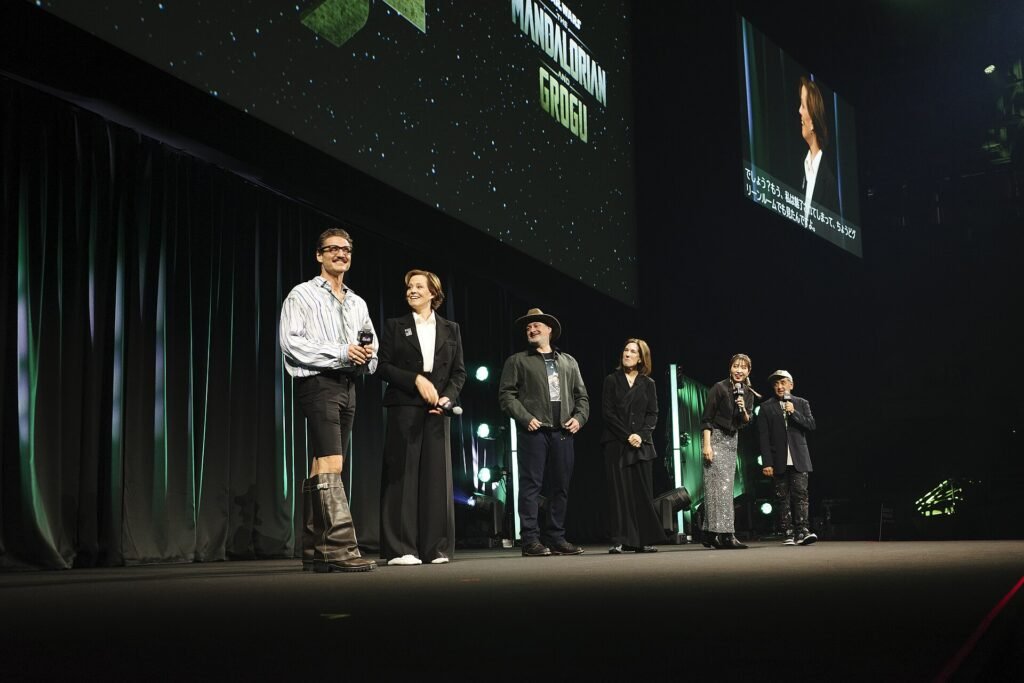
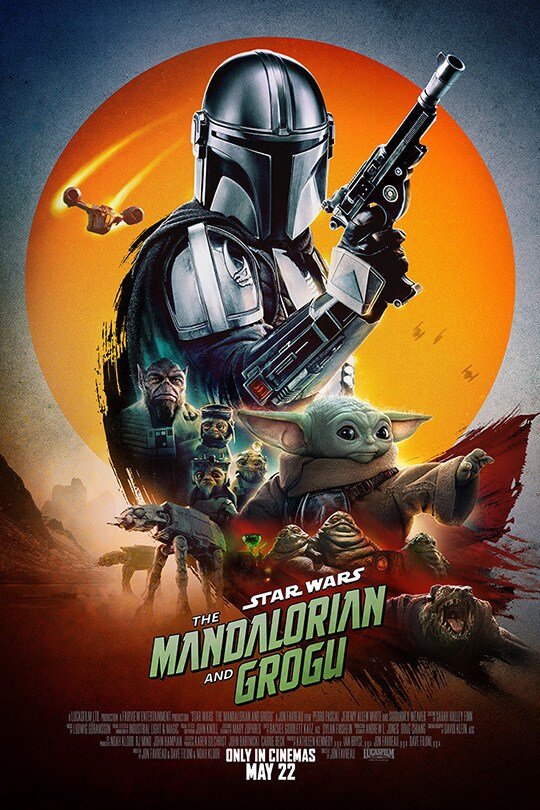
Star Wars: The Mandalorian and Grogu is another entry in the series directed by Jon Favreau. The movie takes place following the fall of the Galactic Empire and revolves around a specific mission which includes Rotta the Hutt. The protagonists become a part of the New Republic contingent because of their knowledge of certain facts.
It remains an important question whether an episodic story can be translated successfully into a theatrical experience. In most cases, it becomes possible, but not without several flaws.
Jon Favreau Expands the Formula
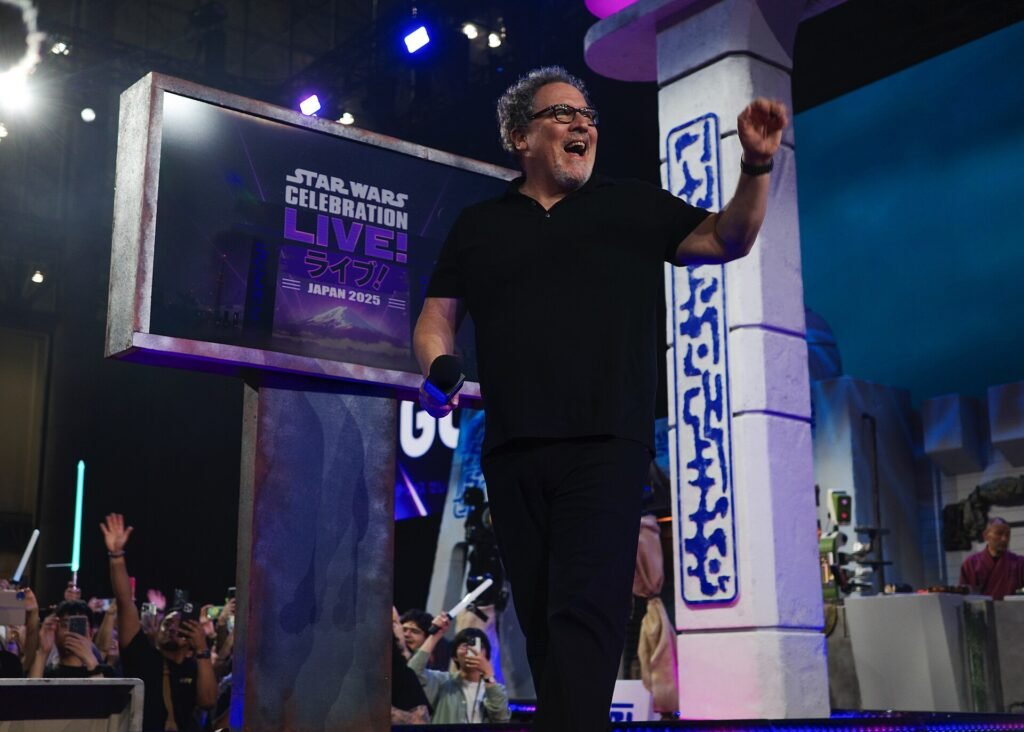
Favreau knows the factors that led to the success of The Mandalorian, and rather than change his winning formula, he decides to extend it. This approach has its advantages but also its drawbacks.
In terms of scale, this movie is definitely bigger than its TV series predecessor. From the locations to action scenes, everything feels grander here.
Favreau manages to retain the western elements that made the series distinct. The character of Din Djarin is still that of an outcast gunslinger. The movie keeps the character’s reserved nature intact.
On the other hand, the director takes risks with a much grander scope. The New Republic plays an expanded role. The galaxy becomes more interconnected. It feels like there is more going on socially and politically.
It is also important that the director does not forget about the main relationship. The bond between Din and Grogu remains central. Everything ties back to them. Favreau should be commended for keeping this balance. Other directors might opt for spectacle rather than character. In this case, however, character always takes the driver’s seat.
Overall, the leap to film does not seem too abrupt. Yet, at times, the movie fails to completely shake off the TV vibe. The problem becomes more evident as the story unfolds.
David Klein’s Cinematography Elevates the Experience
One of the biggest strengths of David Klein‘s cinematography is that he has done his best job in this film. He already did great work on the television series. He built up a unique style and developed it further in the film. One can easily notice the expansion in scope.
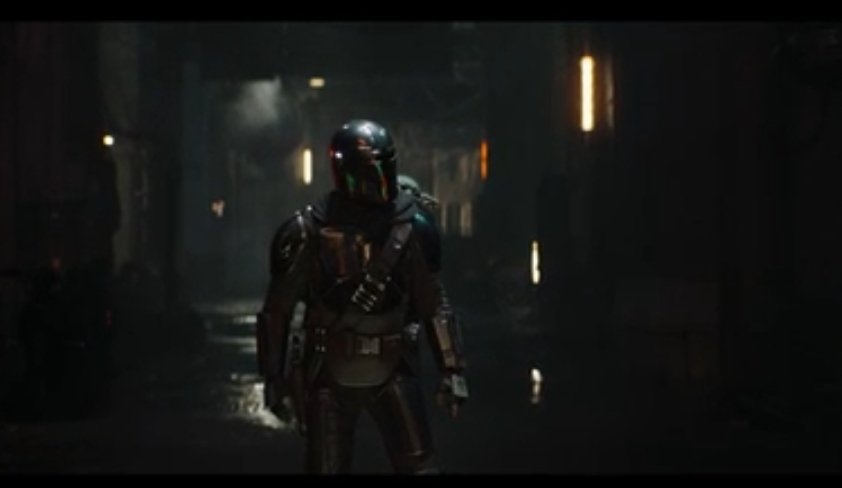
One of the most obvious improvements is that of scope. There are more wide shots. The settings look bigger and more immersive. Finally, the galaxy has some breathing room. Klein handles the landscapes with ease. Desert planets seem big and vast. Urban planets look bustling. Locations of the New Republic feel impressive.
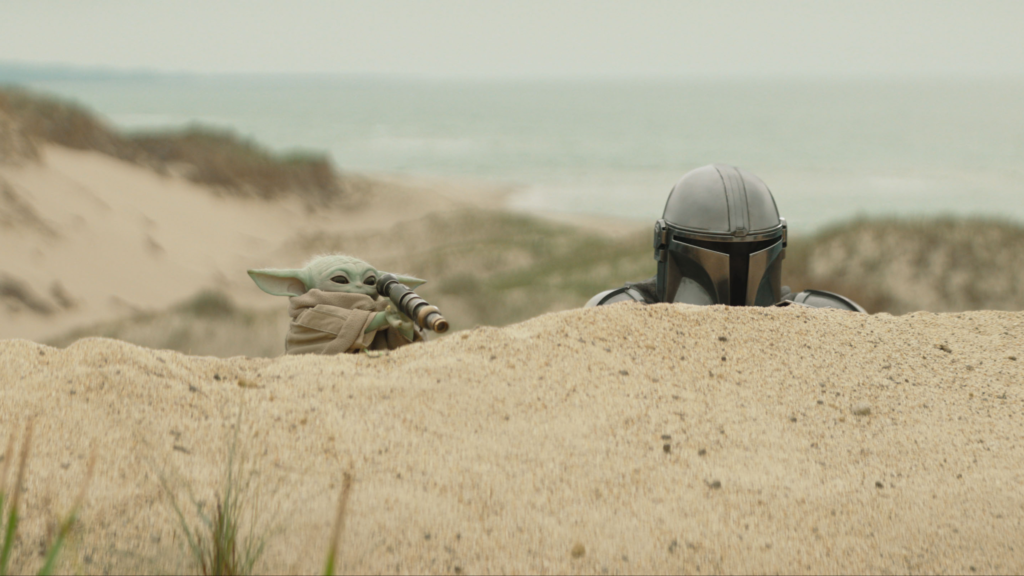
Lighting is another crucial element. Contrast between warm and cold colors helps create an atmosphere and setting. Lighting still proves practical. Action scenes are made very much possible with the help of Klein’s techniques. The camera is active but not confusing. Audiences can easily see what is going on.
Such clarity is essential. Most of the modern action movies use fast-paced editing and camera work. Klein does not make such mistakes. It becomes even more visible in large-scale scenes when audiences always know the position of characters.
The cinematography successfully bridges television and cinema. It feels familiar while delivering a meaningful visual upgrade.
Visual Effects Deliver Scale and Spectacle
Star Wars movies have always had a reputation for visual effects that push the envelope. It is only natural to expect each and every movie to meet these expectations. Luckily, the combination of The Mandalorian and Grogu does not disappoint.
The enhanced budget is evident in the way everything was made. Battles in space are bigger and have more detail. The environments created have more depth and complexity.
It feels like the galaxy is bigger compared to before. Spaceships navigate through busy lanes in space. More people inhabit the cities.
The special effects have continued to impress. The introduction of Grogu is still one of the best works done by Lucasfilm. He has a very natural appearance.
There has been great integration between the digital effects and practical components. This has helped the show retain its groundedness.
Unfortunately, the effects in this episode are not perfect. For instance, the digitally created locations look too perfect. They lack the authenticity that was evident in the previous episodes.
But none of these scenes take away from the movie. On the contrary, they make the already effective scenes even less powerful. On the whole, visual effects effectively contribute to the narration.
Ludwig Göransson’s Score Expands with the Film
The music composed by Ludwig Göransson has been one of the most defining aspects of The Mandalorian, and he succeeds again in his role with The Mandalorian and Grogu. Rather than breaking away from the sound used in the series, Göransson builds on it for a big screen experience.
The recurring motifs are present throughout the movie and ensure a certain continuity with the TV series. The motif of Din Djarin is easily recognizable and continues to be one of the best motifs in the modern Star Wars soundtracks.
One of the most important differences is the scale of the orchestration. Orchestral arrangements help action scenes to be even more impressive, without taking away the distinct character of the music Göransson introduced earlier. On the other hand, more subtle moments featuring Din and Grogu do not require orchestral arrangements, as they should keep their emotional significance.
Even though some of the bigger action cues might come across as slightly more classic blockbuster material, the soundtrack truly shines whenever it delves into the unique combination of classical orchestration, electronic elements, and folk influences which distinguished the show. In his composition, Göransson manages to combine consistency with evolution, delivering a soundtrack which does justice to The Mandalorian and its grand cinematic experience.
In conclusion, one may say that this soundtrack is definitely among the highlights of the movie.
Themes That Continue The Series’ Strengths
The movie still stays true to the issues developed in the TV series. Family that is found becomes significant to the narrative. Din Djarin and Grogu keep developing alongside each other. Their relationship becomes the emotional anchor.
Issues around identity continue to be relevant in the movie. Din is still conflicted between himself and his duties.
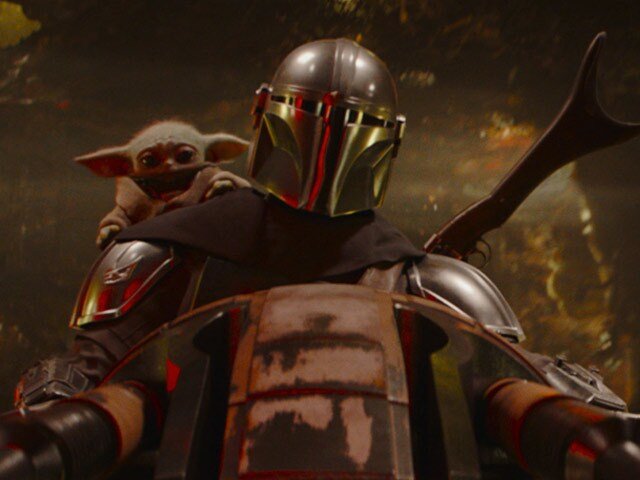
The storyline in The New Republic further adds some thematic elements to the film. The issues related to reconstructing society come up time and again during the plot development.
This addition comes at a convenient point in time. It differentiates the film from the conventional good versus evil storylines. More importantly, the themes have not been arbitrarily inserted into the plot. They have emerged organically out of character development.
The emotional moments are often among the film’s strongest scenes. They remind audiences why these characters became popular in the first place.
Strong Performances Across the Cast
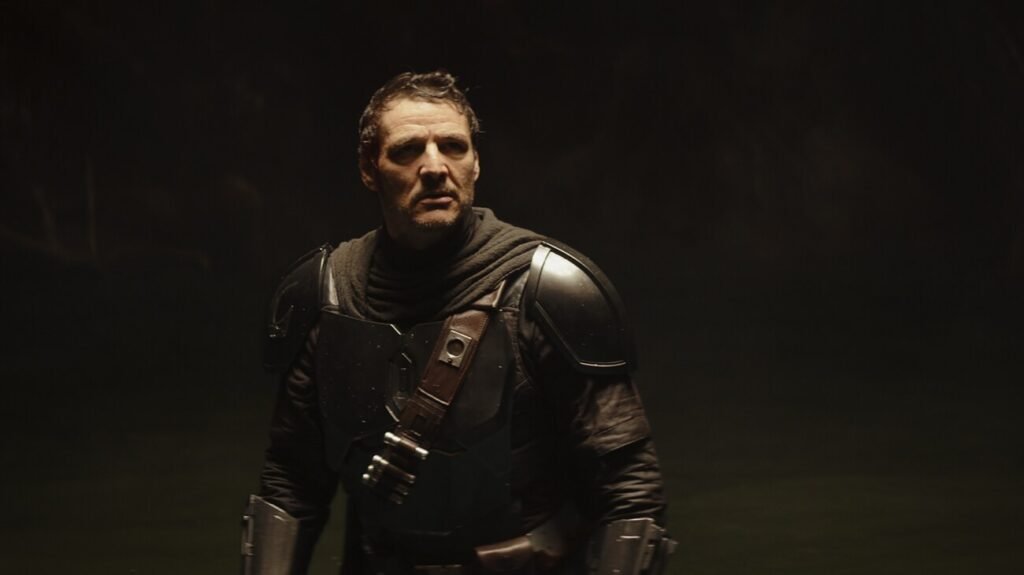
Pedro Pascal shows once again that he is the reason Din Djarin is such a likable character. His acting takes place mostly under the helmet. Nonetheless, he manages to convey emotions despite this challenge. Subtle movements say much.
The actor fully grasps his character’s personality. He doesn’t try too hard in his performance. Pascal’s acting is the emotional core of the movie.
Both Brendan Wayne and Lateef Crowder must also receive due credit for their contribution to the formation of Din’s physique.
The former contributes in terms of maintaining consistency in the movements, while the latter helps in adding precision in the fighting sequences. Their performance becomes particularly critical in the context of bigger action sequences within the film. Din remains a seamless character all through.
Actor Jeremy Allen White provides an intriguing portrayal of Rotta the Hutt. He brings a new vibe to the movie. Unlike other portrayals of Hutts that merely copy their predecessors, White presents a unique character.
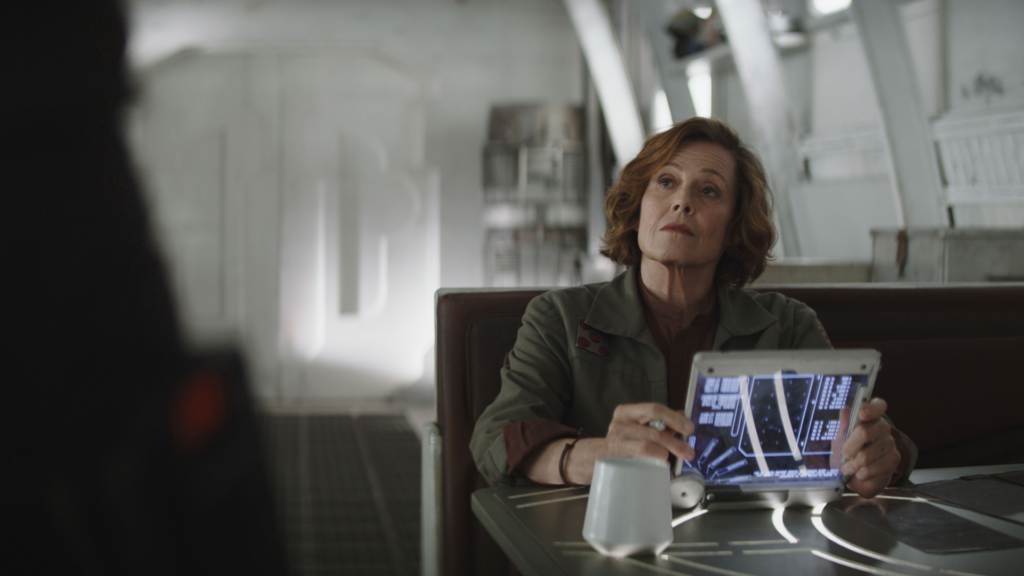
Sigourney Weaver lends gravitas to her portrayal. The actor has the ability to make viewers instantly notice her onscreen presence. Despite having been given little to work with, she imbues the key scenes in the movie with gravitas.
Johnny Coyne does have some credible and solid performances. It is evident that he blends into the story line without much effort. Certainly, Martin Scorsese was quite an unlikely addition to the film. Nonetheless, his inclusion adds character to the film without distracting from its message.
Collectively, the cast delivers strong work. The performances consistently support the film’s emotional and narrative goals.
Where the Film Struggles
However, despite having several merits, there are flaws in the movie. Among the foremost is the pacing. There are parts that seem to be more episodic rather than cinematic. This particular comment has been mentioned several times by audiences. There is some truth in that.
Sometimes, the plot seems to have a series of TV episodes intertwined into one storyline. These scenes can stand out on their own. However, they are not always cohesive.
The middle is especially impacted by this. Momentum is slowed during specific sections. Certain shots appear too drawn out.
There is a different pace expected in a theatrical movie. This movie sometimes fails to recognize that aspect. Consequently, this movie is viewed as being more like an extended episode of The Mandalorian.
On the other hand, there are certainly much more serious flaws a movie could possess. Being similar to an episode of The Mandalorian is far from a terrible problem. For some people, it may be even preferred. Nevertheless, viewers hoping for something more groundbreaking may feel somewhat let down.
There are also aspects of the story that seem to lack development. The New Republic storyline features some intriguing notions. Some of these notions deserve more investigation.
Sometimes the movie focuses on progressing rather than developing. Thus, some story lines are left shortchanged. These flaws do not mar the experience. Instead, they just stop the movie from becoming what it could be.
A Successful Expansion Rather Than Reinvention
But the biggest success of this movie might be an understanding of who it is. Many movies from franchises try a bold retelling. Some succeed, others lose their audience.
The Mandalorian and Grogu follows a unique route. Instead of attempting a total reinvention, it builds on what is already strong about it. It believes in the work done before. It succeeds more often than it fails. The heart remains untouched, the visuals get an improvement, and the actors remain captivating.
The movie gets why audiences are invested in these characters. It always stays true to this fact. However, its focus on familiarity limits the story. Its format relies greatly on the norms of the small screen.
This creates a rather paradoxical situation. While the movie is definitely greater than the TV series, it sometimes fails to feel different from it. If there is a problem here, it largely depends on the audience’s expectations.
Those hoping for more Din and Grogu are sure to be happy. Fans dreaming of a full-scale movie makeover might be disappointed.
Final Verdict
Star Wars: The Mandalorian & Grogu is an enjoyable and mostly successful sequel to a much-loved series. The scope of the narrative is effectively widened by Jon Favreau. David Klein shows his prowess as a cinematographer. The visual effects create the magnitude one expects from the big screen.
Pedro Pascal continues to be good in the role of Din Djarin. Brendan Wayne and Lateef Crowder work on the physical development of the character.
The movie maintains the emotional tie that helped make the series so successful. Din and Grogu remain fascinating characters. Their bond continues to drive the plot forward.
Nonetheless, the pacing problem at times hinders progress. The episodic nature of the movie can be better suited for TV shows that stream online. Certain aspects of the story need further elaboration.
It may not change Star Wars movies. It may not be fully able to break away from the series’ television roots. But what it can do is provide entertainment packed with charm, visual effects, and excellent writing.
At the end of the day, The Mandalorian and Grogu are simply an extension of something that has been successful all along. They have shown that they can be taken into the movie world with style.