Spider-Noir TV Series Review
Introduction (Warning May Contain Spoilers)
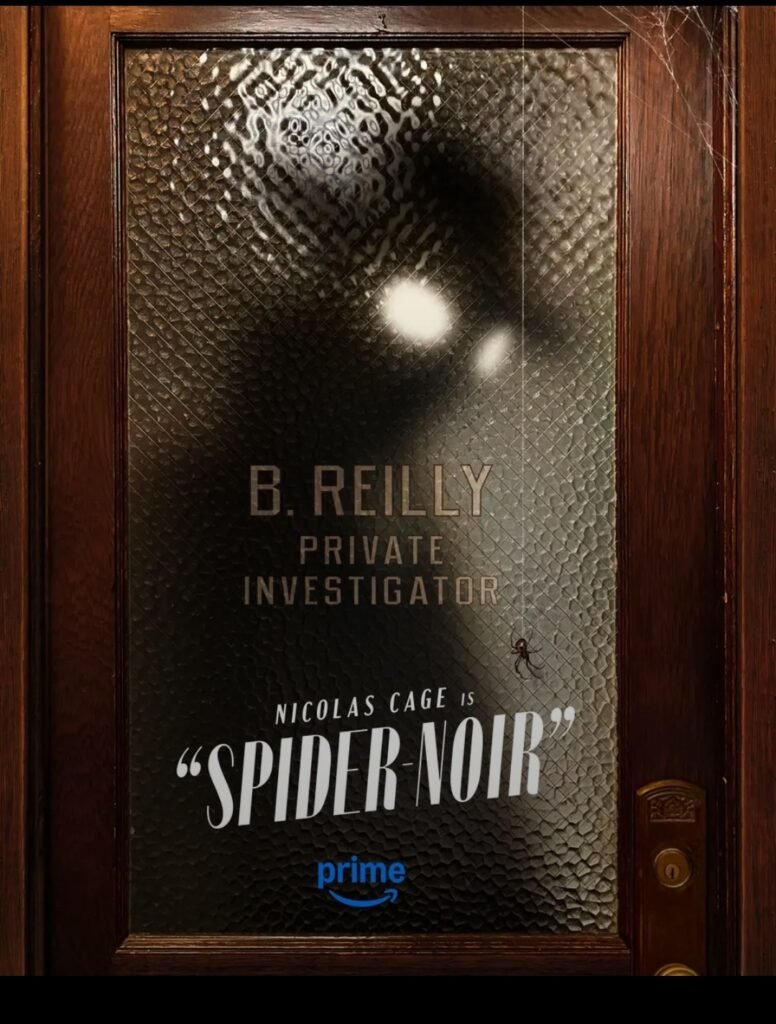
Spider Noir is one of the strangest superhero productions that have been produced recently. The series, created by Oren Uziel for MGM+, brings Marvel’s Noir-style hero to life on screen. Featuring a parallel universe where the year is 1930’s New York City, the show centers around Ben Reilly, a private detective grappling with the consequences of his past deeds.
Produced by Sony Pictures Television and Amazon MGM Studios, this television show is one of the parts of Sony’s growing Spider-Man Universe. But the series hardly feels like it belongs to this universe. On the contrary, it tells an independent detective story which is shrouded in mysteries and crime.
The history of the concept began with Spider-Man: Into the Spider-Verse movie, where Nicolas Cage played the part of Spider-Man Noir. He became an instant favorite of fans for his great performance that managed to turn him from a rather unknown character into one of the stars of the movie.
Acknowledging the popularity of the character, Phil Lord and Chris Miller set out to create an action version of The Amazing Spider Man. Instead of merely making an exact replica of the animated version, however, the creators opted for a somewhat different route. The new show centers around the Ben Reilly character as opposed to Peter Parker.
Nicholas Cage’s participation was yet another reason why the project received much attention. For years, Cage had been acting only in movies. However, he finally decided to try himself in his first TV drama lead role. He obviously really likes the character and it shows through the entire series.
The show is certainly under pressure to succeed. Fortunately, it brings something new to superhero TV shows. Though not perfect, the show manages to create a unique fusion of crime, mystery, and comic books.
Direction and Visual Style
Another feature that makes Spider-Noir great is the visual element. The film is thoroughly steeped in the conventions of noir cinema of the golden age. There are countless elements of imagery and location that contribute to this.
While the events of the series take place in the 1930s, there are many stylistic elements of noir cinema of the 1940s. Darkness looms in many of the shots. Lighting can cut dramatically across faces and surroundings.
Framing is effectively used by the directors in the series during the season. It is not uncommon for characters to be alone in a shot. Framing helps emphasize the motifs of loneliness and personal struggle. Ben Reilly struggles to be free from his past.
A lot of credit must go to the production design of the series. Both streets and nightclubs seem realistic in the given setting of time. The city almost turns out to be another character itself.
Another particularly interesting example of creative choice concerns how it can be presented. Viewers can select either color or black and white versions of the series. This possibility is not common on modern television.
With the colored version, one can appreciate the amazing production design and visual effects used. The costumes and environments are highly detailed. With the black and white version, the traditional noir atmosphere is emphasized. Shadows and contrasts are more vividly portrayed.
This two-pronged strategy shows confidence in the creative team. It is equally effective in both cases. It provides a little different viewing experience in each case. No current movie would take such risks.
The directors have also shown some self-restraint in the scene of action. They have not relied on the use of constant spectacle in it but instead focused on mood and narrative.
Story and Themes
Spider-Noir is a story that focuses on the concepts of redemption and identity. Ben Reilly is a deeply flawed character that suffers from a sense of regret for things he did in the past.
The concept of guilt runs through Spider-Noir all season long. Characters suffer from their sins and mistakes of the past. They attempt to atone for their sins and make amends but end up doing more wrong along the way.
Another important theme that arises in the story is corruption. The strong abuse the weak for personal gains. This theme suits the period during which the movie was made – the Great Depression era. Morality is another influence from the noir tradition which can be felt in the movie. There are very few black or white characters in the film.
A major strength of the show is that it doesn’t mind taking its time. The characters are developed and established, and the world created at a high expense on the part of the writers. Lots of focus is put into developing relationships, which helps build interest when the season reaches its midpoint.
However, there are some pacing issues because of this approach. The initial episodes are slow, and the viewers’ expectations for excitement aren’t met quickly enough.
However, I did find that the early episodes were quite hard to connect with. Although I enjoyed the atmosphere, I thought that the story was too slow. There were several storylines that progressed quite slowly.
Luckily, the show gets better towards the end. When the main story picks up speed, the rest of the episodes turn out much better. All the mysteries finally start fitting together in an interesting way.
All of the patient pacing finally pays off in the end. The actions of the characters make sense and carry more emotional weight because of everything that has happened before.
The second half of the season is where Spider-Noir really gets into its groove. There is much improved cohesion between the elements of the show.
Although poor pacing is still an issue, it doesn’t get in the way of enjoying the show completely. Those who have the patience for the show will definitely enjoy it in the end.
Performances
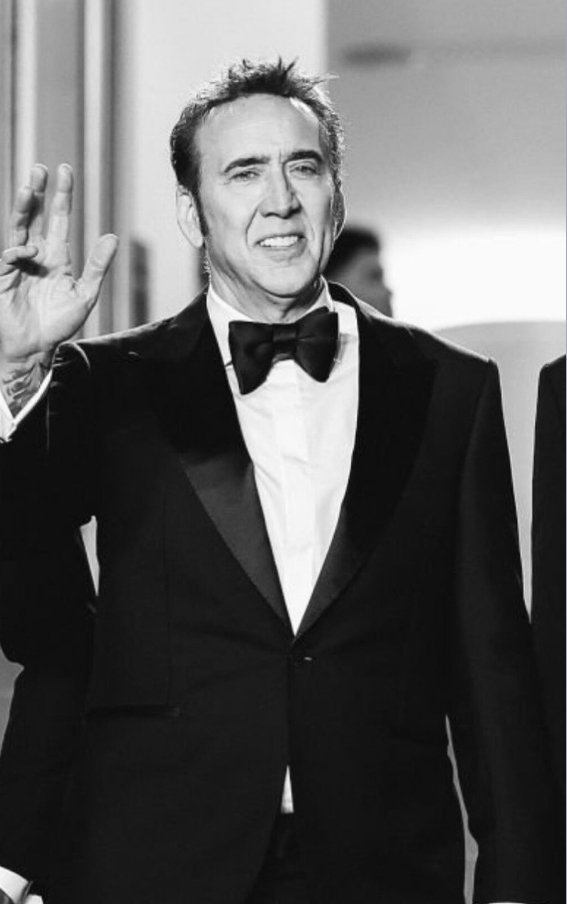
A lot of what makes Spider-Man Noir work comes down to Nicolas Cage. Fortunately for him, he gives a very good lead performance here. He nails the drama and comedy sides of the character.
Cage approaches his performance the way he usually does in his roles. This will polarize people who watch the film. While some will enjoy his style, others will think he goes too far in some places.
However, in my opinion, he pulls it off in most of his scenes. He is great at delivering emotional moments, and those actually pack a real punch emotionally. He also does comedy well.
The character’s dry commentary is always a relief from the more serious aspects. Cage knows how to play the character for the absurdist side. However, he also knows when to pull back.
What makes this character interesting is that he looks like he’s completely immersed in the series, making him a compelling protagonist.
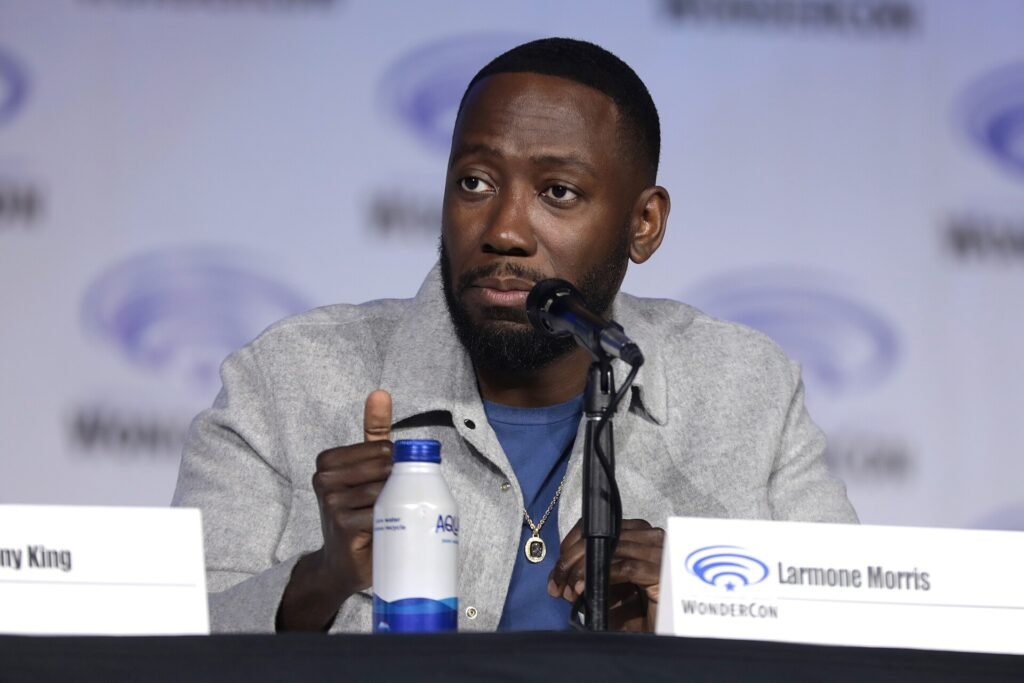
Lamorne Morris performs admirably in the role of Joe “Robbie” Robertson. He makes a likable and charismatic character. He has great chemistry with Cage, which is very realistic.
Some of the best character interactions in the show include those between Robbie and Ben. Morris adds a lot to the emotional core of the show. He provides an effective foil to the bigger-than-life Cage.

Jun Li provides a convincing performance that works well within the noir environment. She adds considerable weight to the cast. Her role is significant and not merely a supporting one. She plays the role of the female fatale effectively
Karen Rodriguez also does well in her performance during the year. She provides a boost to the emotional component of the narrative. She does a fine job as the secretary of Ben Reilly, combining humor and drama. In addition, she has a fine screen chemistry with Nicholas cage.
Abraham Popoola remains impressive as an all-around performer. Energy and finesse characterize his acting style. He adds value to the performance through his presence. He gives the character the villain Tombstone (also known as Lonnie Lincoln) depth. This is because he portrays a complicated villain whose redemption you would want to witness.
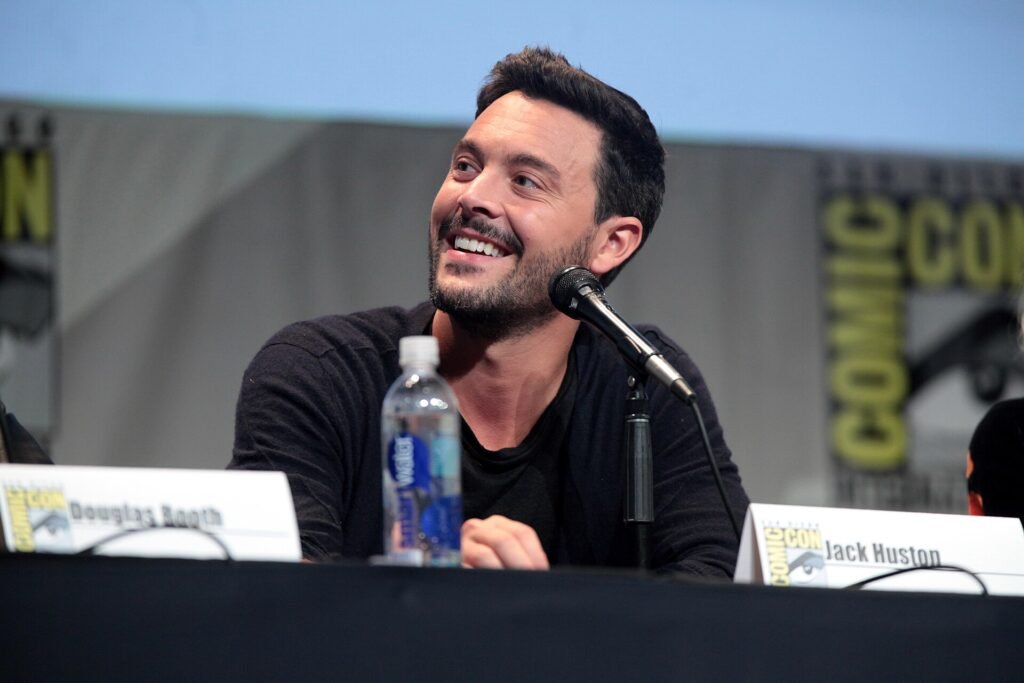
The acting ability of Jack Huston suits his character Flint Marko / Sandman well. He seems very fitting for his role, especially because he has acted in many complicated and morally dubious roles before. He fits in nicely in the spider-noir genre. Whenever he acts in the series, he manages to add a sense of uneasiness to the scenes.
The restrained acting style of Huston, which includes minimal talking but a lot of emotions conveyed in actions, makes his character quite engaging. Although some other actors may get more airtime in the series, Huston has been able to give an amazing performance with every scene allotted to him.
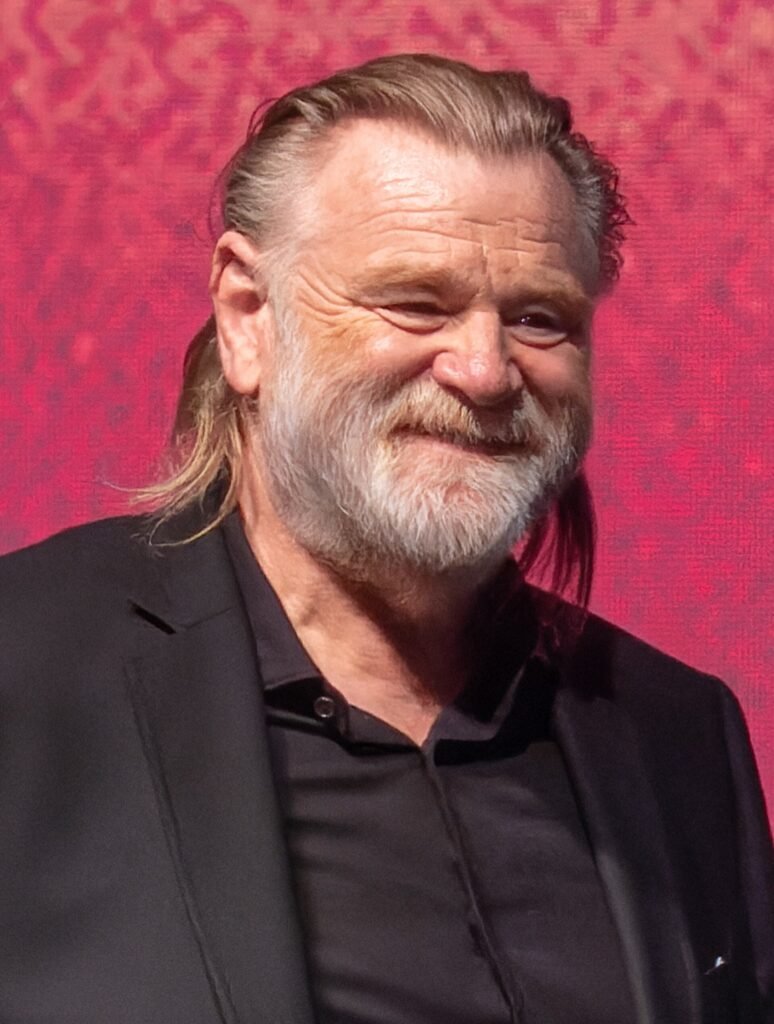
It becomes evident once again as to why Brendan Gleeson continues to be known as one of the greatest character actors in the business. As Silvermane, a crime lord whose sole aim is to take over Manhattan, Brendan Gleeson exudes menace and authority throughout his scenes. What I found impressive about his acting style is its level of control.
Instead of portraying Silvermane as a loud and boisterous crime lord, Gleeson prefers to portray him in a much more reserved fashion, which makes him seem even more menacing. Every move he makes seems well thought out.
The relationship that Silvermane shares with Ben Reilly serves as a major asset to the storyline, and Gleeson manages to milk it to the fullest extent possible. In terms of the scenes in which Gleeson interacts with Nicolas Cage, those are the best in the entire series.
Together, the two actors successfully establish a rivalry that stems from shared history, animosity, and different world views. Another thing worth mentioning here is the complexity that Gleeson managed to infuse into the portrayal of this seemingly stereotypical crime lord.
Not surprisingly, Gleeson continues to impress in his role all season long, turning out to be one of the stars of the show. Although all of the actors on the show are noteworthy, Gleeson is certainly among the ones you’ll be hard-pressed to forget, and Silvermane becomes a classic bad guy because of him.
Visual Effects
The special effects are generally outstanding. Television shows tend to have issues handling superhero ideas. Spider-Noir manages to bypass that issue.
The depiction of New York in the 1930s works very well. The digital backdrops work seamlessly alongside the practical settings. The scale and reality of the world are felt.
The web-slinging effects are decent. Action shots have the right scope and feel to them. Most of the special effects enhance the story rather than detract from it.
The noir filming style also aids in making the special effects believable. Proper lighting hides any shortcomings in the effects. Darkness creates a smooth transition between the two mediums.
Of course, there are some weaker spots as well. There are certain CGI shots that seem less realistic compared to others. This problem usually occurs during big fight scenes.
However, these problems do not occur very frequently. Neither do they turn into a recurring theme. Most viewers will probably ignore them.
Taking everything into account, one can conclude that the visual effects department deserves recognition for its efforts. The end result is cinematic rather than television-like.
What Worked and What Did Not
Many of these things are done very effectively. Atmosphere is clearly the most notable accomplishment of this show. All of the departments of creativity have worked together.
The noir look is genuine rather than being just for style’s sake. It makes no bones about embracing its influences, which makes it unique from other similar shows.
Another of the strong points here is that of the acting. Nicholas Cage does an excellent job as the main character.
The black and white mode deserves special mention. It is an ambitious approach, rare to find in TV series franchises. This feature brings an additional noir experience.
The visual effects are outstanding. The production values are at a high level throughout the entire season. The created world looks realistic and immersive.
However, not all is perfect. The pacing of the first episodes becomes the biggest problem of the show. Some viewers might find it too slow.
There were a couple of occasions when visual effects sequences failed to meet the rest of the content. It can interrupt viewers’ immersion for some time. But there are just a couple of them.
Another controversial thing about the show is its narrative technique. The pace of action can disappoint some audiences who expect fast scenes.
These weaknesses prevent the series from reaching greatness. However, they never overshadow its many strengths.
Final Verdict
Spider-Noir works because it takes chances. Unlike many superheroes shows which follow traditional formulas, Spider-Noir is able to stand out by being true to itself.
With elements of the noir genre coupled with stellar acting performances and high production value, this show offers a unique viewing experience. It is clear that Nicolas Cage was perfect casting. Brendan Gleeson makes a fantastic villain.
Though the pacing is sometimes off, there’s a lot to enjoy if you give it some time. Character building and world building have laid an excellent groundwork, which pays off in future episodes.
It doesn’t get much better than the show’s visuals, especially since so few other superhero shows look like this. The chance to watch in black and white is just the cherry on top.
Above all else, though, Spider-Noir is just the start of a bigger story. There are still plenty of areas left to explore within this universe, while Ben Reilly himself has his work cut out for him.
There is definitely potential left for the future seasons. The format of detective story leaves endless room for stories. New bad guys, mysteries, and characters’ storylines can come out very easily.
The future season of this show needs slightly better timing, but the basis was set up quite well. The producers have created their own corner of the Spider-Man’s world successfully.
Of course, not all fans will like Spider-Noir. This series will not be interesting for those who prefer more classic superhero action in movies and shows. Those fans who will accept it will find something to enjoy in it.
So, this show can be defined as an interesting addition to the superhero genre. There are successful elements of detective stories, character development, and even mythology of comics here.