The Lost Children Of Tuam Movie Review
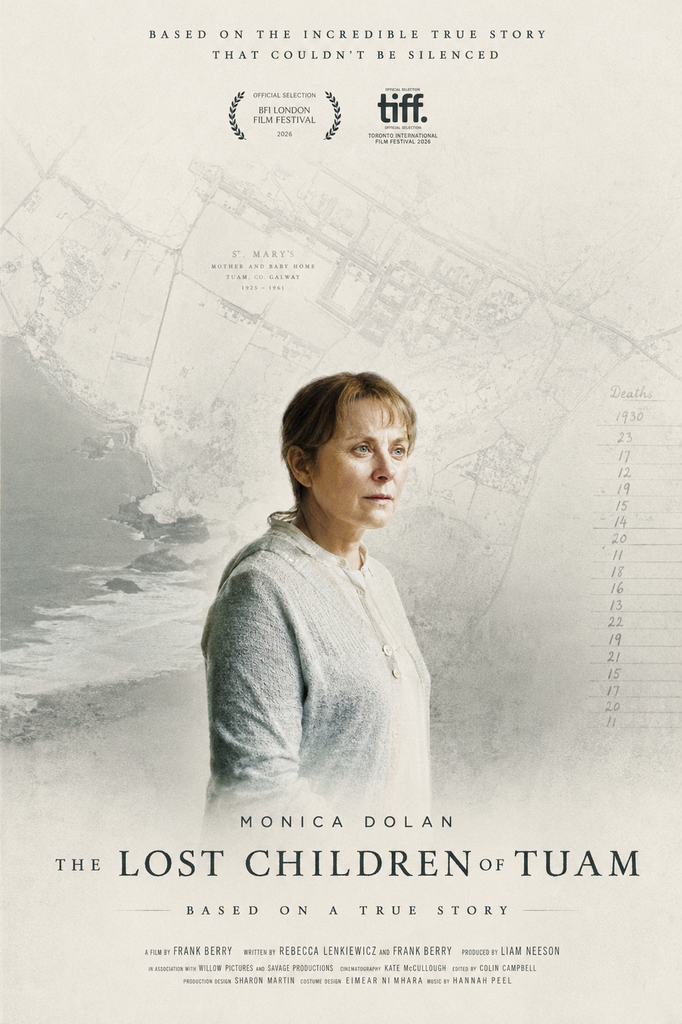
The Lost Children of Tuam movie review: A Devastating Story Told With Restraint
There are certain films that make viewing difficult due to not using graphic images or emotional tactics but instead the truth they convey is extremely hard to understand.
The Lost Children of Tuam is one of these films. Directed by Frank Berry and Produced by Liam Neeson, the film is a biographical drama following Catherine Corless, the local historian who uncovered the shocking history of the St. Mary’s Mother and Baby Home through her detailed research.
Corless began her investigation into the lives of the children who died from the institution run by the Bon Secours religious order between 1925 and 1961.
After discovering almost 800 death records for infants there were no burial registers to be found. Corless then began a long and difficult process on finding out what had happened to these children.
Berry’s takes a very understated approach to this. A difficult but essential watch that will leave you feeling awful.
We learn about the cruel treatment of children within institutions and how they were made a shame to society.
Monica Dolan Delivers a Remarkable Performance
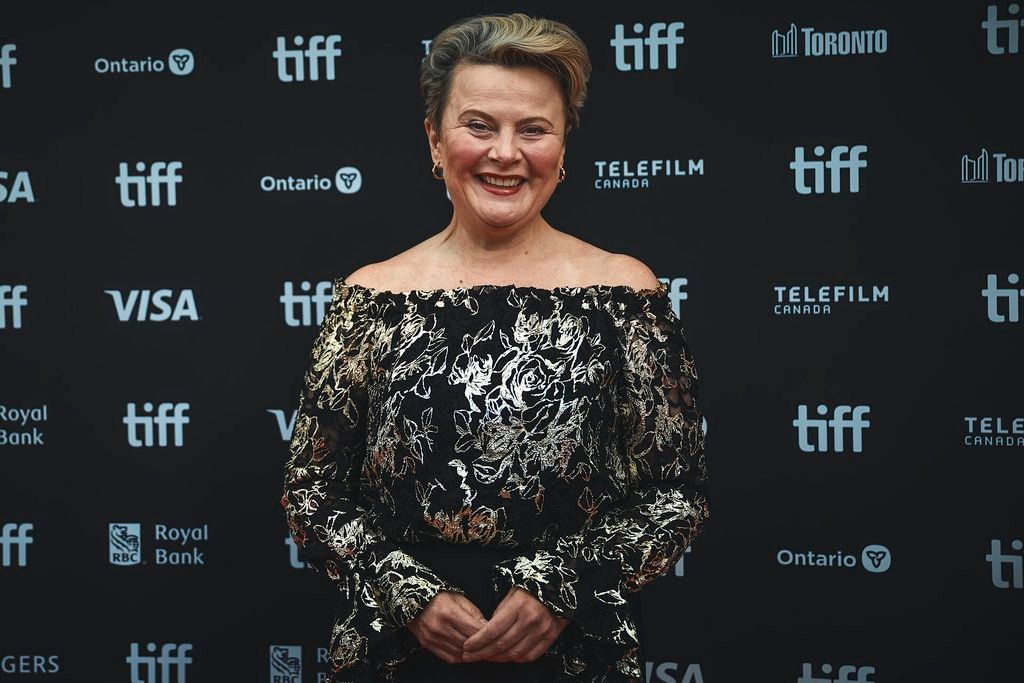
By Patrick.suechan ©Creative Commons Attribution-Share Alike 4.0
Monica Dolan is at the heart of the film and delivers an outstanding performance. The character of Catherine Corless is not played like a typical film heroine.
Instead, the actor perfectly portrays someone who possesses inner strength, patience and a sense of normality.
Her performance was perfect. Her portrayal of Corless does not have any unnecessary drama. The character is not portrayed as someone who always knows what to do or someone who wants recognition.
Instead, the audience are shown how an everyday person is becoming consumed by the scale of what they are uncovering. This dedication is shown through subtle actions and expressions.
This performance also shows how much of a personal journey this was for Corless. As she faces obstacles from people and organisations who should be helping, she becomes frustrated. However, she continues as she believes these children deserve to be recognised as individuals.
The support provided by Ian McElhinney as P.J. Haverty and Andrew Bennett as Aidan Corless is also very useful.
The scenes at home give a solid foundation for the investigation and shows us who is supporting Catherine as the story gets more intense.
A Film That Refuses to Turn Tragedy Into Melodrama
The direction by Frank Berry is one of the best parts of the film. It could have easily included lots of dramatic moments, intense emotions and shocking moments. But instead he chooses to keep it very simple.
Throughout the movie we see how meticulous Corless was with her research. This includes looking through documents, comparing documents and slowly finding out the numbers don’t add up. While these may not be the most dramatic to watch, Berry knows how important they are.
It is extremely unsettling to watch someone find out such a heartbreaking truth from a normal kitchen table.
The juxtaposition of Corless living a normal life in the countryside and finding out such horrid information is key to this film. She has grandchildren, family discussions and a peaceful life in the countryside.
The fact that there is no tension created in this film is a nice touch. We know how important this information is so we don’t need to be reminded constantly. This makes the discoveries heartbreaking.
The Power of the Film’s Visual Storytelling
The cinematography by Kate McCullough adds to the serious tone of the film. The dull colours and simple shots set a solemn mood.
The camera often shows contrast between the simple beauty of rural Ireland and the dark nature of the investigation.
The scenes of the fields, farm animals and families give a sense of normality. However, the documents and photographs on Catherine’s table show the terrible history of the community.
A strong visual feature is the use of one static seat. Throughout the film different adult survivors sit in the same spot to tell their story.
As the camera does not move Berry allows each person to have their own space and makes them feel respected.
This simple technique was very effective as it allows the audience to solely focus on what is being said.
Images taken from archives and specific recreations of historic events were used so that we could see the children.
This ensured they were not just a name in a book or a number in an investigation. It reminded us that every number was someone who lived a life, however short, and had a family whose history should be recognised.
An Uncompromising Commitment to the Truth
One of the most important parts of The Lost Children of Tuam is its dedication to telling the true story.
The screenplay by Rebecca Lenkiewicz and Frank Berry is based off Dan Barry’s investigative report published in The New York Times in 2017.
There are no made up subplots and the case is not dramatised into a typical Hollywood movie.
This gives the movie quite a lot of credibility. It focuses on the build up of evidence over time, the struggles Corless faced along the way and how revealing this information has affected people. The attention to detail does not stop here.
The filmmakers spent a lot of time getting to know Catherine Corless and her husband and recreated the environment they would have been in.
They also used the real-life replica of St Mary’s Home which Corless had made during her investigation to get a clear picture of what the grounds looked like. These may seem minor points but help to add realism to the movie.
Most importantly, real survivors and families linked to the investigation were included. This includes the emotional scene in the kitchen.
This adds an extra layer of realism to the story. It makes us remember this is not just a past tragedy, it is still affecting those who lived through these institutions and those still looking for answers about their families.
Institutional Silence and the Shame of Illegitimacy
The film exposes the awful social and religious mindset that allowed this institution to exist. St. Mary’s Home was in a society where single mothers and their children were often looked down upon.
Women would be judged, put on the outside and not receive the support they needed whilst their children would be left to be neglected and abused.
The Lost Children of Tuam explores how ingrained these attitudes were in Ireland. This tragedy was not just due to individuals being cruel but was backed by a system.
The Catholic church and state are explored in the film and show how often people are met with resistance and silence when trying to find the answers.
The most horrifying thing to take from this film is that these children were not actually lost. They were born into a system that saw them as disposable.
The fact they were not buried properly in records adds to the injustice. The term ‘lost children’ almost makes you feel it was an unfortunate accident however the truth is they had been neglected and excluded throughout their history due to society.
The film also shows how finding out the truth doesn’t help the survivors and family. It doesn’t change what has happened and whilst it may give recognition, it still doesn’t bring back the lives lost or the years of silence they have endured.
A Haunting Score and an Emotionally Exhausting Experience
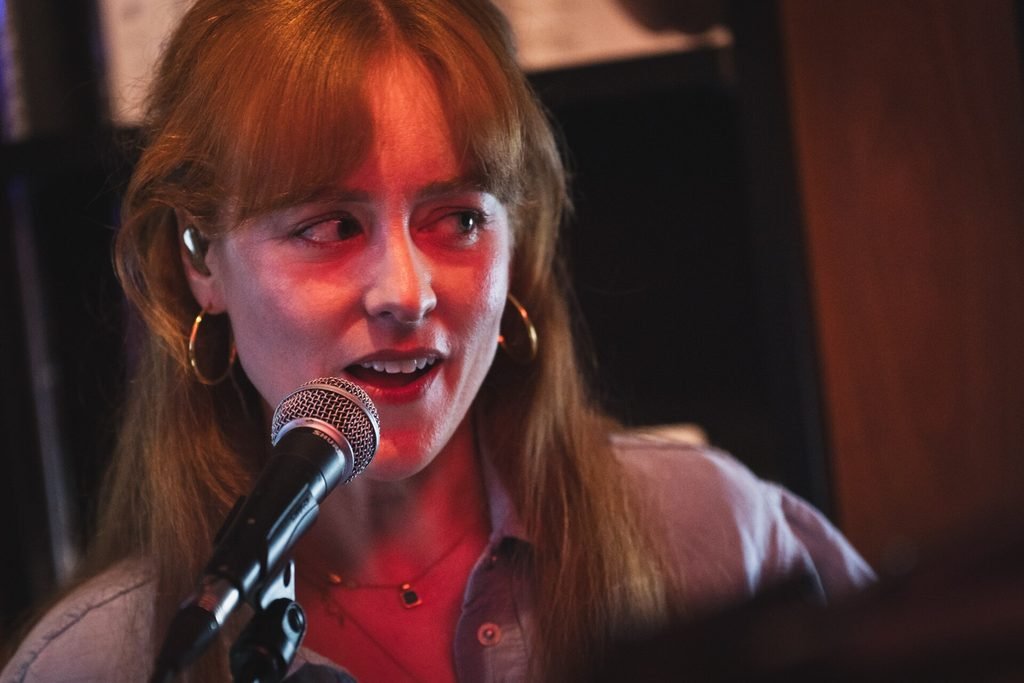
The score in Hannah Peel’s composition is also a key aspect of the films atmosphere. The music is very subtle and specific with the intention of highlighting certain parts of the film.
This can allow the viewer to create their own emotions and not feel forced into feeling any way due to the music.
This works together with the direction of Berry. The film does not force emotions onto the viewer by providing the revelations with time to sink in.
However, this can make the film quite challenging to watch. The deliberate pacing can cause frustration for viewers that want a typical investigation style film.
The film has long periods where the viewer can get lost in the documentation, conversations and red tape. This, along with there being no classic thriller feel can cause the story to feel slow.
The content of the film can be very depressing. With very little light in the film and the lack of a happy ending.
Whilst arguably this is the correct choice to make, it can be draining for the viewer to take in. You will not leave this film feeling entertained, but instead will be left thinking about those who had their stories ignored and the establishments that failed them.
Final Verdict
The Lost Children of Tuam is an incredibly touching and distressing drama showing a horrifying part of Irish history with care.
With subtle direction from Frank Berry, the drama doesn’t become too dramatized. Kate McCullough’s cinematography and Hannah Peel’s soundtrack adds to the devastating but subtle mood.
Monica Dolan is outstanding as Catherine Corless, showing her determination throughout. By using real survivors, real items and commitment to the real facts the movie has more significance.
It can be a little slow and is quite bleak, not everyone will enjoy watching it. Some viewers may want a more traditional drama structure however the film lacks the qualities which create such an emotional story. This story doesn’t need any extra flair, the truth is heartbreaking enough.
The Lost Children of Tuam isn’t just a biographical drama but a reminder on how important it is to challenge the silence imposed by institutions, face the harsh truths and to ensure those who have been denied dignity get it. An emotional, subtle but necessary film to ensure the children are seen as people.