The Furious (2026) Review: An Explosive Martial Arts Triumph Worth Watching
Introduction (Warning Contains Spoilers)
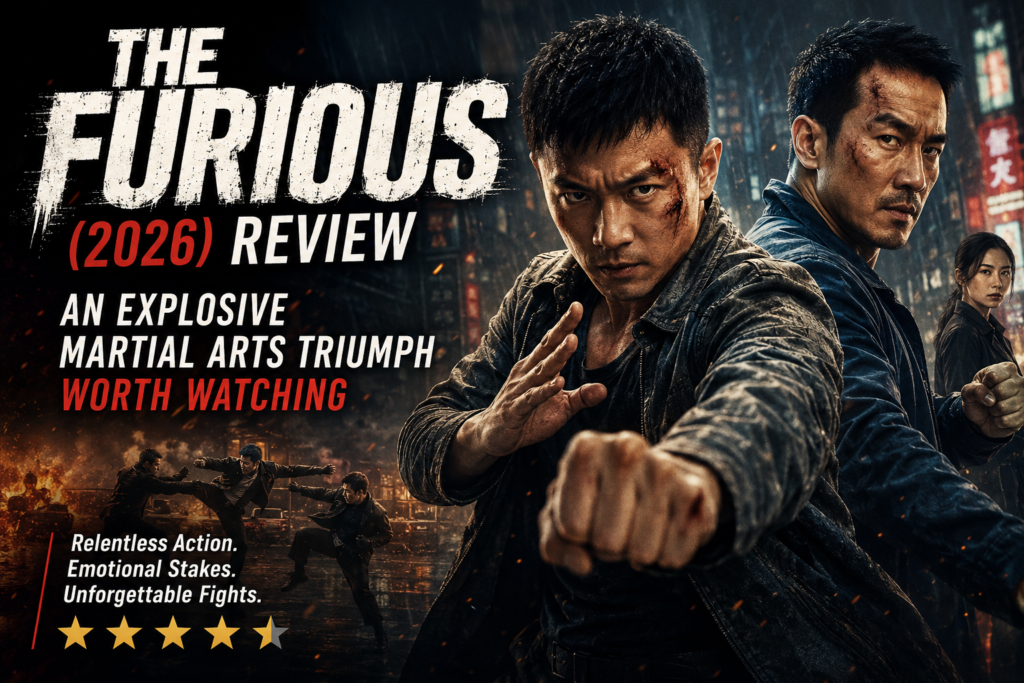
The Furious (2026) comes in as an intense action movie with some emotional undertones. Directed by Kenji Tanigaki, it merges revenge narratives with intense fight choreographies. Featuring Xie Miao and Joe Taslim, the plot is motivated by grief and perseverance.
Overall, the film is about the life of a man who is forced to take up arms because of his daughter’s kidnapping. As a film, it tries to position itself as part of the Hong Kong action movies genre but with a contemporary look.
Wang Wei (Miao) is just a regular man, but everything in his life falls apart after he suffers a cruel kidnapping. After the police do not respond to the situation, Wang Wei finds himself driven to undertake a perilous private mission.
This quest turns out to be nothing less than one of survival, vengeance, and a search for justice. Navin (Taslim), a journalist burdened by personal sorrow, is drawn into Wang Wei’s quest.
The movie sets an atmosphere from the beginning which is very dark and emotionally charged. It does not waste any time with explaining anything before getting to the action part. On the contrary, the characters’ motivations are built right away by putting things on stake.
Story and Emotional Core
The structure of the story in The Furious is simple. It is typical for movies of the revenge type often found in martial arts films. The only motive for Wang Wei is to save his kidnapped daughter by all means possible.
The story of Navin provides another emotional dimension to the main story. Not only is he a reporter, but he is also a man burdened with loss. His loss of his wife provides an emotional thread alongside the main story. Both the characters embody grief turned to rage.
The movie touches on the themes of corruption, justice, and the love of parents. This is a universe where institutions let people down when they are in need. This, in turn, becomes the main catalyst for their plunge into violence and chaos. The emotional core of the plot stays fairly straightforward yet compelling throughout the process.
Though, in reality, the movie fails to develop further its secondary narratives. Supporting characters have been used primarily for the flow of action. It maintains the pace well, yet reduces the emotional depth of the narrative. Clearly, the movie makes urgency a priority in its narrative technique.
However, this weakness does not weaken the emotional strength of the story. The personal motivation of Wang Wei helps his story to appear realistic. His reasons for his actions are well understood by the viewers. It adds strength to every confrontation Wang Wei encounters in the movie.
Direction and Action Philosophy
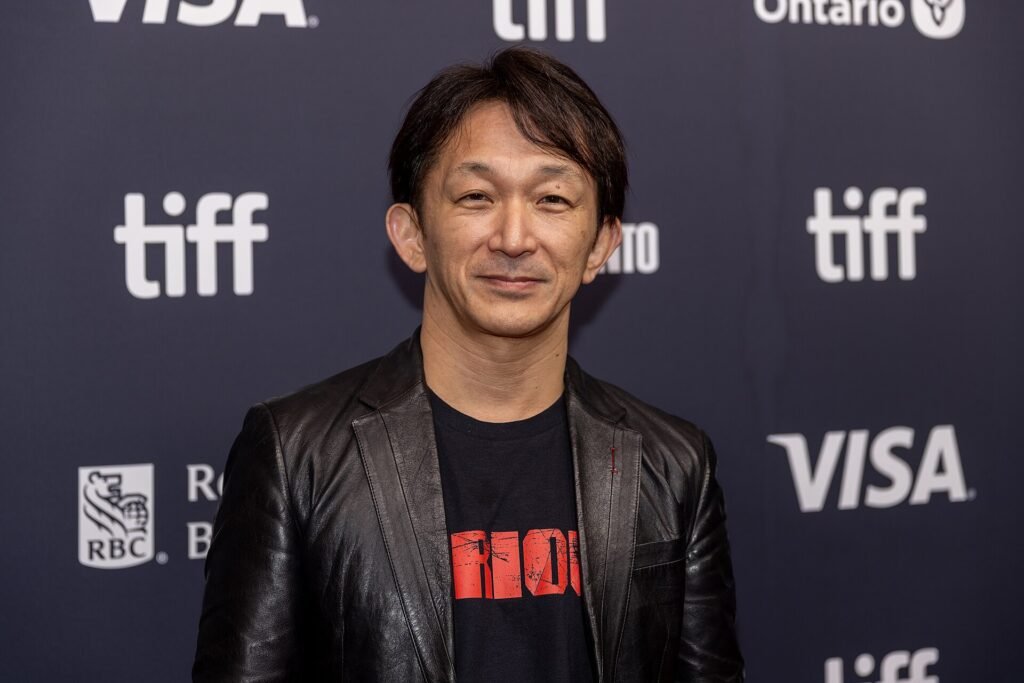
Director Kenji Tanigaki makes The Furious a highly pragmatic action movie. His skills in stunt coordination are seen in every intricately planned fight scene. Tanigaki does not rely too much on fast cuts that tend to hide the choreography of martial arts. Instead, he lets his action scenes play out clearly and physically.
This direction focuses on creating realistic fights without any digital stylization. This makes the movie much closer to the classic Hong Kong action movies. Every fight appears to be physically challenging and emotionally driven. The camera always stays at an appropriate distance, providing spatial orientation in the fight.
Tanigaki employs long shots in order to emphasize the talent of performers. This gives viewers an opportunity to enjoy the complexity of each fight scene. Fights appear to be much more immersive, since there are no fragments in the movement. The viewer becomes a part of the rhythm of fighting process.
Selective handheld camera movement is employed in those scenes that have chaos and intensity. It adds more tension without affecting clarity in the action choreography. It brings about an immediate effect while remaining true to the character’s movement. Stability and movement are effectively balanced in the film.
The director manages to link the emotional aspects of the story to the physical confrontations. Each conflict has some relevance to the story of Wang Wei and his struggles.
Cinematography and Visual Style
Meteor Cheung’s cinematography is essential for defining the character of the movie. His approach involves blending modern cinematic visuals with traditional techniques of filming martial arts scenes. This combination of styles works well in creating visually pleasing sequences.
Full body shots of choreographed movements are often used to ensure clear visualization of the scene. This ensures that the viewer does not miss any aspect of the action. Medium shots are employed to ensure the scene remains intimate yet clear. Close-ups highlight the emotions felt in combat situations.
The camera movement is smooth and well coordinated in choreographed fight scenes. Tracking shots involve following characters in confined and dynamic settings. This helps to improve spatial awareness and ensures continuity in fast-paced action.
There is much contribution made by the lighting to the modern style of the film. Dark colors and dramatic lighting create a tough and risky environment. The urban settings are frequently decorated with neon highlights and shadows. This visual technique emphasizes the background of the criminal underworld.
Cheung does not opt for too much style, which can get in the way of choreography. Rather, Cheung aids the choreography by providing clarity of vision and coherence. With this choice, all attention stays focused on the performance.
Ultimately, the cinematography both pays homage to the martial arts tradition and brings it up-to-date. It bridges classic action movies and today’s cinema.
Martial Arts Execution and Fight Design
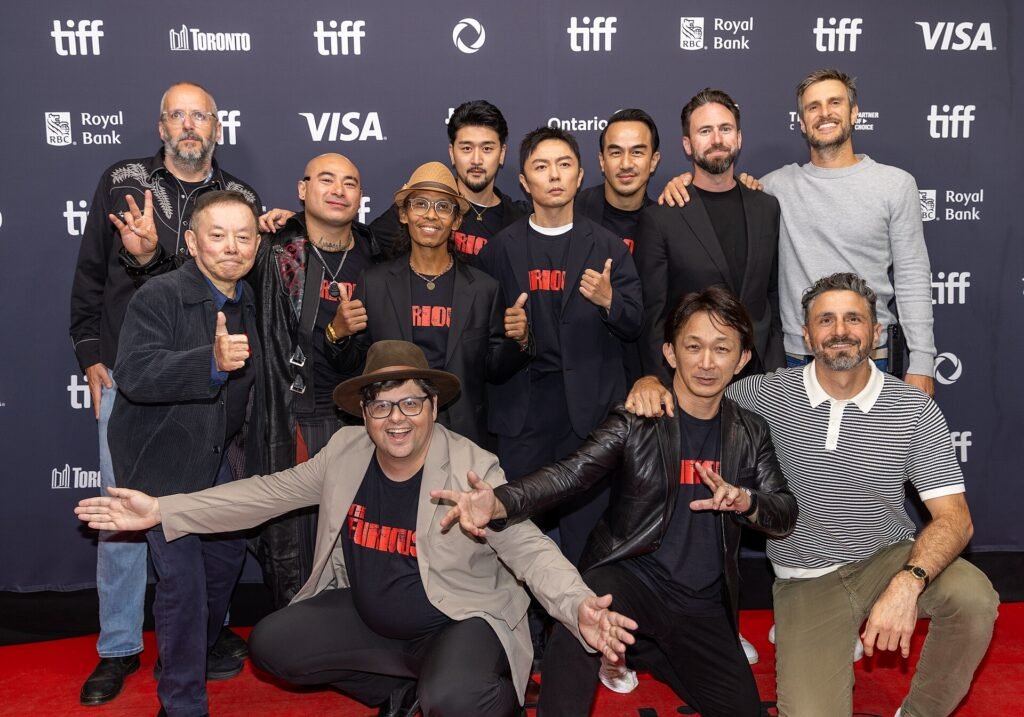
Fight choreography is another strong point of The Furious. The fights are well constructed, with different styles being showcased within each.
No CGI effects are used for the fights; instead, practical stunts are employed. This creates more realism and gives an idea of the physical impact of strikes. Every move made in the fight is clearly seen and understood.
Environmental interactions are vital in determining the pattern of fights. Characters make full use of their environment when fighting or meeting. This introduces diversity in the fight scenes to prevent monotony.
The speed of the actions is maintained throughout the film without being chaotic. It does not overwhelm the audience by making too many cuts and camera transitions. Instead, it increases its pace by progressing in choreography and increasing stakes.
While following genre conventions, it uses the pacing of the present day. This is an effect of the influence of traditional Hong Kong action films. However, it reinterprets them according to current audience tastes.
Performances
In The Furious the acting is such that it not only enhances the emotional story but also the challenging action scenes. Every actor knows the mood of the movie. It is their dedication that makes the characters appear genuine despite the simple plot.
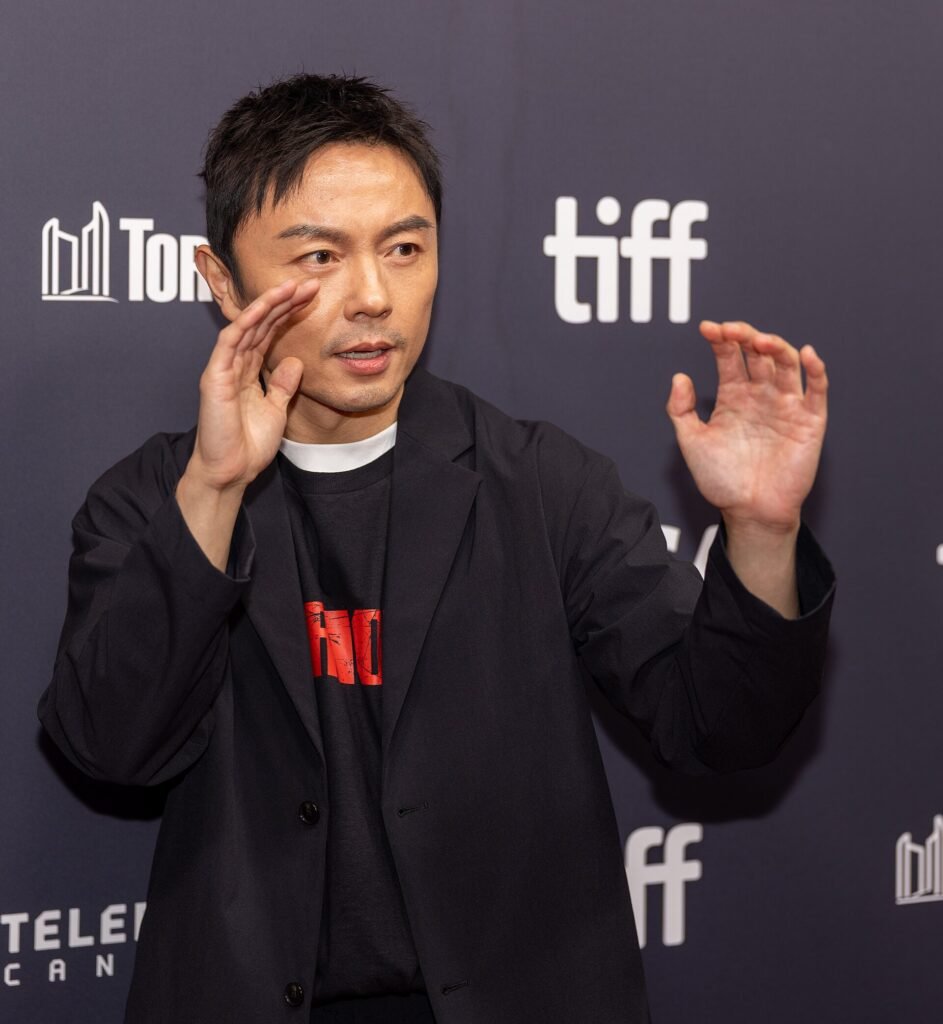
Mo Tse plays the role of Wang Wei in this film with great assurance and sincerity. Mo Tse presents the character Wang Wei as an average person caught up in unusual situations. There is no element of overacting in Mo Tse’s portrayal of the character.
Equally commendable is his physical performance skills. Everything about him seems measured, purposeful, and technically proficient. The rigorous choreography is not easy, which makes the encounters more realistic. The actor’s emotions also convey feelings of fear, anger, and hope without being too dramatic.
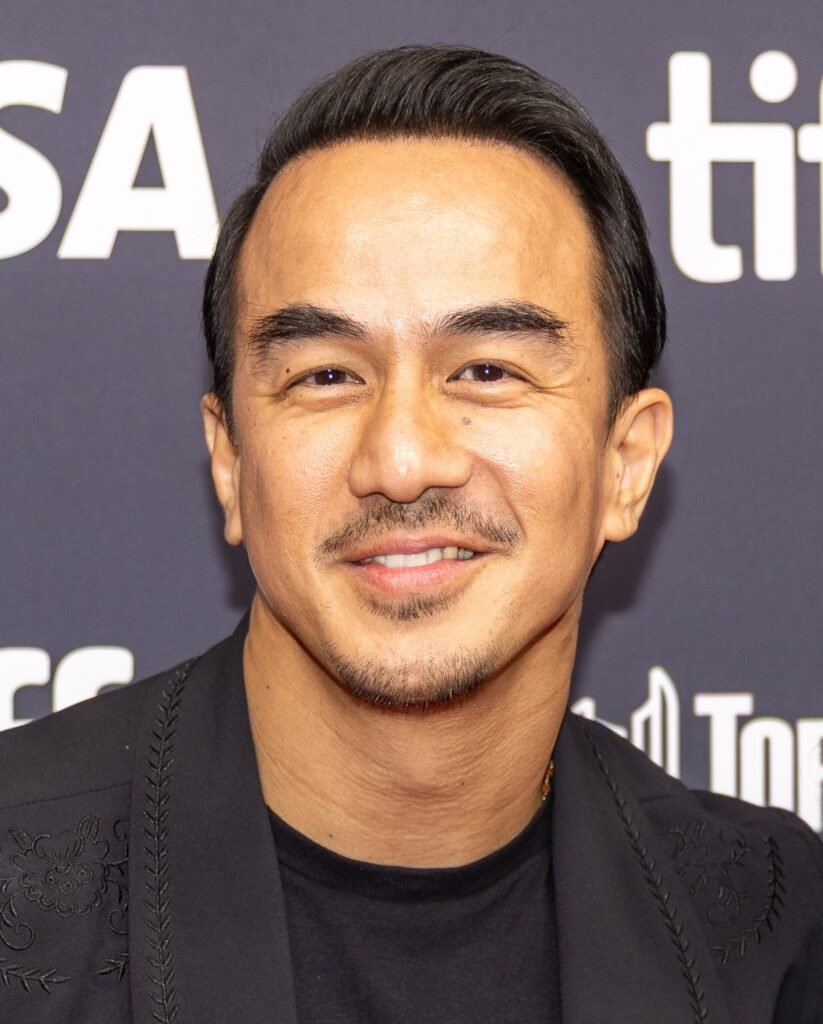
Joe Taslim plays Navin, the journalist role, very well. His screen persona matches that of Xie Miao’s character. Together, they form an effective partnership through their mutual sorrow and respect for each other. Their rapport forms naturally as the movie unfolds.
It is also evident how Joe Taslim has earned his reputation as one of the best modern day action stars in the movies. With his skills at martial arts, his fighting scenes exude confidence and credibility with every move and every blow.
Yang Enyou is present in a small but significant part. Despite her small appearance on screen, her performance builds the emotional base at once. The father-daughter connection looks genuine from the very beginning. Everything that Wang Wei does is driven by emotions.
Jeeja Yanin leaves a mark in spite of her limited screen time. Her physical abilities as well as the experience in martial arts are immediately noticeable. She acts with confidence and determination in every moment of her appearance on screen.
Brian Le continues to prove why he has earned his reputation as an accomplished martial arts actor. His skills and speed generate many striking encounters. He acts naturally within the challenging choreography and keeps his physical actions believable. His scenes will be remembered for a long time even though they are brief.
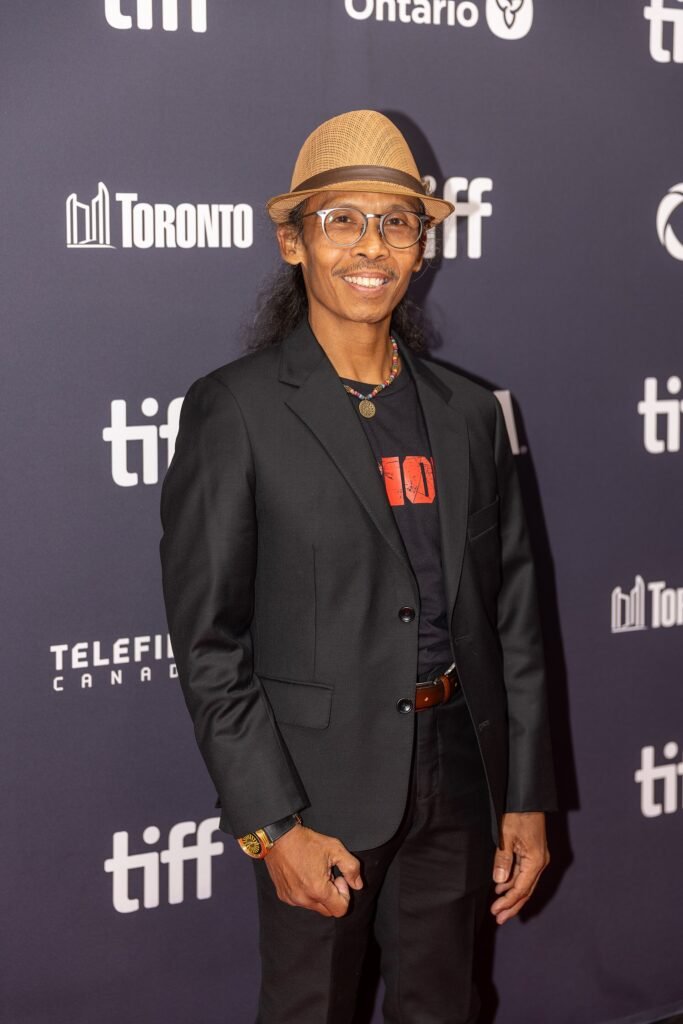
Yet again, Yayan Ruhian gives a strong performance based on physicality and intensity. He becomes an intimidating presence without depending too much on dialogue. His actions alone tell stories of danger and authority. Each time he appears, the tension level is elevated instantly.
The actors in general perform well because everyone invests in the role. Their emotional performances may not revolutionize the genre. But they offer sufficient depth to complement the relentless action.
Themes and Emotional Impact
While The Furious is a movie that emphasizes action, it does not lose sight of its emotions. The main theme is about the love of a parent for his or her child. The persistence of Wang Wei is what gives life to the whole movie emotionally.
Another theme of the movie is about justice in a world corrupted by it. The powers that be always let down the ones who need protection the most. This injustice leads people to extreme actions.
Yet, revenge continues to remain another major theme in the entire story. However, revenge is shown as being empowering as well as destructive. The movie never tries to depict violence as something that does not leave any lasting effect on its perpetrators.
The plot of Navin brings out all these themes, but outside the context of the life story of Wang Wei. Navin’s struggle for finding answers brings out the same sense of sorrow and helplessness as Wang Wei.
The movie also focuses on the themes of sacrifice and personal accountability. Both men voluntarily put their lives at great risk for the sake of the people they love. These actions have serious implications in the story.
Even though the movie offers these strong points, the way emotions are portrayed is quite simple. In other words, simplicity is valued more than any complexity.
What Worked
The best thing about The Furious is its action choreography. All fights have been very well planned, very technical, and performed beautifully. It is real because it values the performance more than the showiness of the action scenes.
The work done by Kenji Tanigaki in directing this film is really commendable. His knowledge about action films comes out very clearly through each scene. He trusts his actors more than the visual effects.
Cheung’s cinematography is also worth mentioning due to its perfect assistance in choreography. His positioning of the camera lets people understand all the techniques perfectly well. The film’s visual style is sophisticated but not distracting at the same time. This demonstrates that both director and cinematographer collaborated properly.
The acting is always impressive in this movie from start to finish. Xie Miao and Joe Taslim show strong emotions and physical acting skills. The combination of these two things makes the most interesting part of this film.
The realistic stunts increase the realism of every conflict. The impacts are real because the actors perform difficult choreography well. It is an advantage that there are no superfluous digital effects, which helps in creating a great experience. Every fight scene is built up through performance, not digital effects.
Pacing is another aspect of the movie that should be appreciated for keeping the audience in suspense. Slow scenes provide enough emotional breathing room between each battle. The story never seems boring due to its simplicity.
What Did Not Work
Although The Furious has many positive aspects, there are still some aspects that need improvement. The storyline is typical for films about revenge since it repeats many elements from the very beginning to the end. There are many plot lines that an experienced audience member can anticipate.
The supporting characters are not elaborated upon throughout the film. Interesting personalities arise, disappear, and play no major role further on in the film.
The villains are not elaborated on either. They serve only as physical dangers in the film but fail to add much to it emotionally. They would greatly enhance the drama if they were elaborated upon more deeply.
Some audience members might be interested in seeing a bit more of emotional development of the main characters since after intense moments of emotion the action continues rather quickly.
However, none of these negatives really harms the overall effect in any way. It just stops the movie from being everything it can be. But the great action makes up for these story flaws. Most viewers will find themselves entertained regardless of them.
Final Verdict
The Furious works because it is aware of what it does best and plays to that knowledge with assurance. It features beautifully choreographed martial arts sequences fueled by genuine emotional motives. And it never forgets what its ultimate goal is. All important decisions work towards that end.
Kenji Tanigaki shows impressive assurance as a storyteller and an action director. His dedication to practical choreography enhances all conflicts. Meteor Cheung adds his voice to the mix with confident and visually pleasing cinematography. In total, they create a wonderful martial arts experience in the modern age.
The acting also elevates the proceedings to levels beyond genre expectations. Xie Miao gives an impressive leading turn with determination and authenticity. Joe Taslim provides strong support while adding some charisma and intensity. The rest of the cast proves to be consistent throughout the process.
Despite its clichéd nature, the movie is still quite engaging emotionally. Family, justice, sacrifice and resilience are powerful motifs that help explain the violence shown in the movie in a proper light. Both elements complement each other very well in the movie.
Most important of all, The Furious stays true to the conventions of the martial arts movies from Hong Kong. It honors practical stunts, choreography and visual storytelling while using contemporary film techniques.
Ultimately, The Furious can be described as both entertaining and emotionally appealing action movie. It respects its inspiration while creating its own personality. This results in a unique martial arts thriller full of emotion and outstanding execution.