Rosebush Pruning Review: A Beautifully Disturbing Portrait of Family Decay
Introduction: A Family Portrait Turned Nightmare
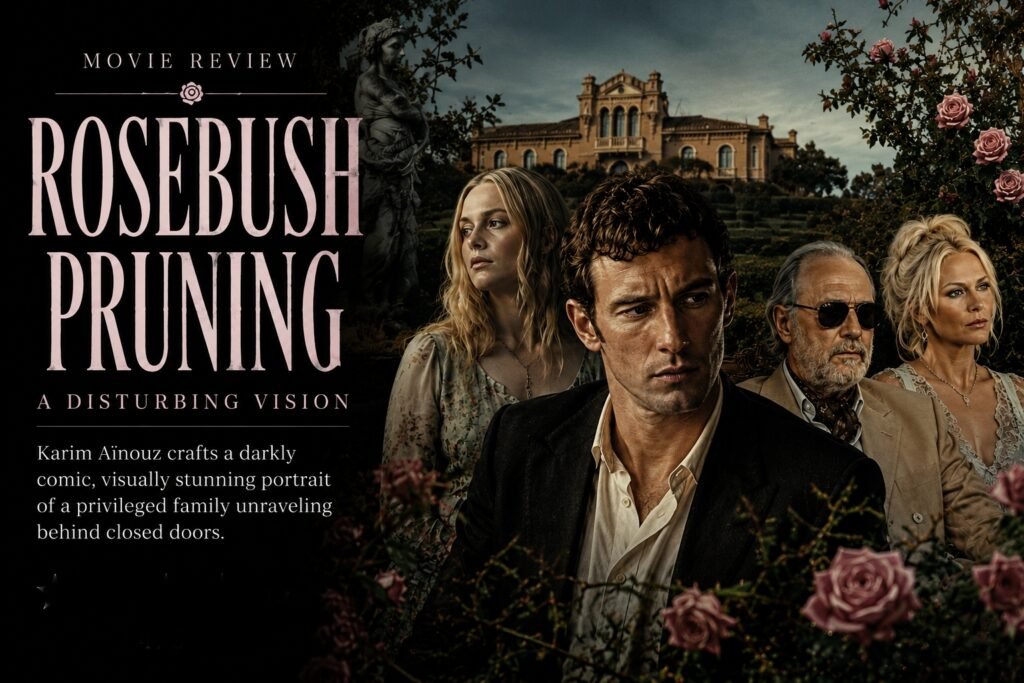
There are some movies which take a look at family in terms of love, affection, and reconciliation. In contrast to that, Rosebush Pruning takes up a very dark route indeed. This satire tragicomedy thriller by Karim Aïnouz looks at family as one of control, legacy, and mental abuse.
Inspired by the film ‘Fists in the Pocket‘ (1965), directed by Marco Bellocchio, the film is not just a retelling of an old story. Rather, it takes the concepts from the story to deliver a contemporary satire on money, class, and loneliness.
The script is written by Efthimis Filippou whose work always displays absurdist humor. He collaborated with Yorgos Lanthimos on several occasions before.
This creates a movie that feels both familiar and totally unpredictable. The film Rosebush Pruning establishes an environment wherein luxury and pain co-exist. It offers beauty in terms of visual imagery, yet corruption in terms of emotional state.
Set in an elaborate villa in Catalonia, Spain, the story centers on four American brothers and sisters who come from very rich families.
These are Jack, Ed, Anna, and Robert, who, despite living in luxury, find themselves entrapped within their own personal dysfunction. Their inherited wealth keeps them away from mainstream society, and from forming normal relationships.
The intrusion of change endangers the meticulously regulated life they’ve managed to build for themselves. This starts when eldest brother Jack decides he must depart to start his new life, causing the precarious equilibrium of their lives to shatter. Thus begins the increasingly bizarre exploration of power, dependence, and jealousy.
In Aïnouz’s depiction, the characters are not just passive victims of fate. Rather, the filmmaker explores the way that privilege becomes its own kind of prison. The siblings have everything that one might want materially. Still, they lack independence, emotional maturity, and humanity.
Karim Aïnouz’s Direction: Turning Dysfunction Into Theatre
By User:Celestinesucess ©Creative Commons Attribution-Share Alike
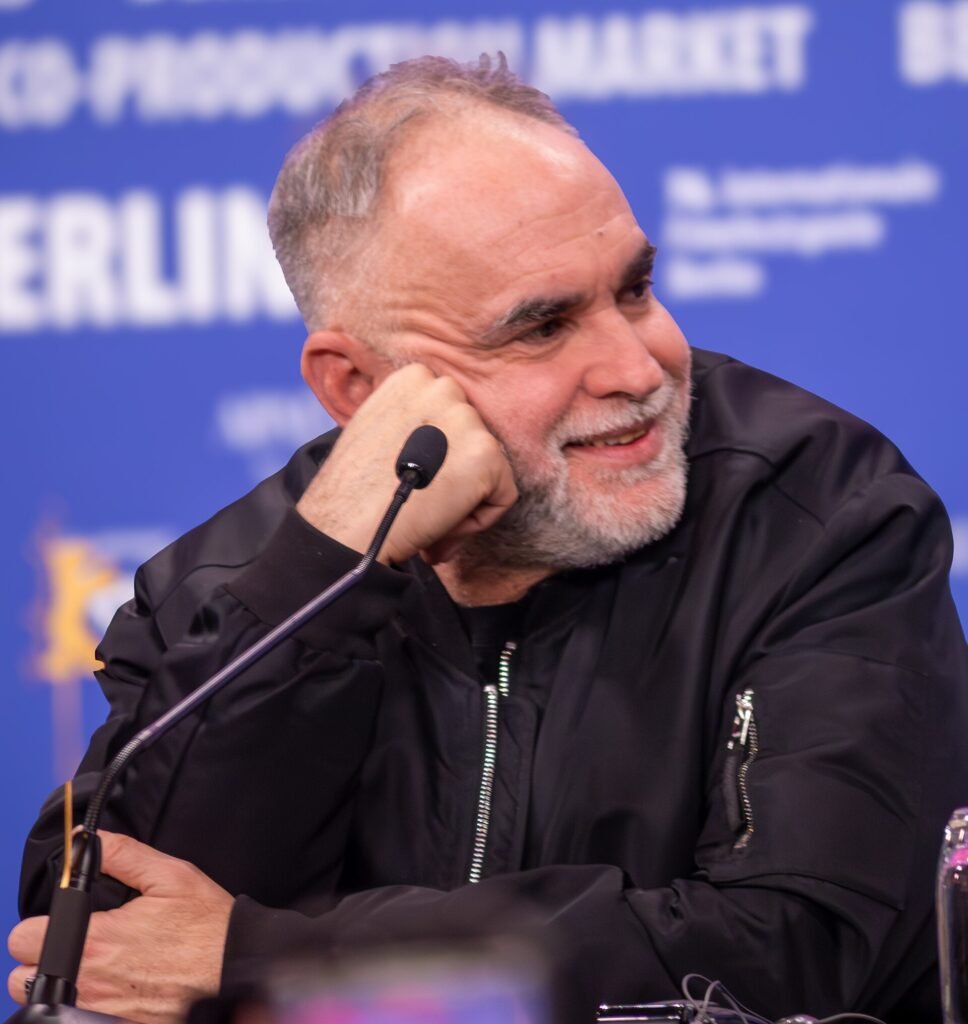
Aïnouz treats his film as a psychological stage play transposed into the medium of film. He chooses not to use the conventional method of realism. Rather, his style is exaggerated, symbolic, and theatrical.
He succeeds in creating a world that makes the behavior of his characters seem exaggerated yet truthful to emotions. The characters are frequently caught in acting out their own dramas.
Through this method, Aïnouz can delve into disturbing ideas without appearing formulaic. Instead of stating the reasons behind the family issues, he leaves the viewer to analyze their actions. This movie is an observation of dysfunctionality rather than merely an explanation of it.
Another one of Aïnouz’s brilliant decisions is his approach to the location – the villa. It goes beyond its significance as an opulent place and becomes an embodiment of the mental state of the family.
Through its large spaces and picturesque environment, the villa symbolizes freedom. However, the family members become more and more confined by the place where they live.
It is the difference between how things appear and what actually goes on that forms much of the core of Aïnouz’s film direction style. The director shows an elegant world, but underneath it lies something extremely disturbing. This gives the impression of constant unease.
Another important aspect of his work is the use of silence. The director lets many scenes have awkward silences that can last for much longer than they should, revealing more than any dialogue would.
Instead of hurrying to show something to the audience, Aïnouz makes them feel discomfort before they understand anything.
Another significant aspect of his choice to accept the absurd is how his film does not try to create totally realistic characters. These characters tend to become ritualized.
This further emphasizes the role of satire in the film. The children are not just characters; they stand for certain abstract notions.
Hélène Louvart’s Cinematography: Beauty Against Corruption

One of the strongest aspects of the movie is its visual identity. Director of photography Hélène Louvart uses her camera to create amazing yet disturbing visuals.
She makes sure that the Catalonian setting is shot beautifully and richly. Sun shines in the villa, giving it a paradisiacal feeling. Landscapes seem calm and almost dreamy.
Nevertheless, this visual beauty always contrasts with the disturbing events happening in the narrative. This contrast is one of the best visual concepts used in the movie.
Beauty is not used in Louvart’s work for mere embellishment. Beauty is ironic because it emphasizes the emotional vacuity of the characters.
The perfection of the house makes one feel disoriented as it is full of dysfunctions. One feels that money cannot buy emotional well-being.
Moreover, her framing contributes to the sense of alienation of the family members. Characters are often placed in an environment of vacuums.
The architecture acts as an image of how they relate. They stay in one roof yet have no emotional connection.
Wide scenes and close-ups are used equally by Louvart. The wide scenes bring out the surroundings of the family while the close-ups capture the emotional details.
Such filming techniques enable the viewers to see the world around the characters as well as the wounds of the characters.
The film is also complemented by the theatrical nature of Aïnouz through use of cinematography. Scenes look staged as if in paintings, creating an artificial perfection.
This artificial quality reflects the film’s themes. The family has created an ideal image of itself, but the reality is much darker.
Themes and Adaptation: Expanding the Original Ideas
Despite being influenced by Fists in the Pocket, Rosebush Pruning creates its unique character. The film reinterprets the original topics of dysfunctional family and psychological problems in the contemporary setting.
The core problem is not the family strife; it is the harm done by the hereditary power.
The brothers and sisters belong to the generation that was born rich. The money shield them from any negative consequences.
The film examines how the comfort level can be dangerous. When there are no outside influences, the characters create their own problems.
Generational trauma is another central theme. This theme indicates that emotional pain can be inherited within the family.
The inheritance can include money, property, and prestige. But it can also contain fear, grudges, and other unresolved issues.
The criticism of the patriarchal system is also very important. The hierarchical structure of the family relies on domination and dependence.
The characters try to break free from the roles that were imposed upon them. They are defined by other people’s expectations, not their own will.
Filippou’s script takes these topics to an extreme level. The jokes made are deliberately dark and create discomfort rather than humor.
It is here where the film becomes really powerful. It does not allow the viewers to distinguish comedy from tragedy.
In these moments of absurdity, people see truths about human nature that make them feel rather uncomfortable. The use of exaggeration enhances the power of criticism.
This method, however, has its drawbacks. In some scenes of the movie, the filmmakers seem to put too much emphasis on the symbolism, thus neglecting the plot.
Performances: A Strong Ensemble Led by Callum Turner
Performances in Rosebush Pruning are key for making this movie work. This is a story that requires its actors to be at ease with discomfort and exaggeration. The performers know that their characters live in an uncommon emotional realm.
In their portrayal of the family, the actors don’t focus on normalcy; rather, they explore the psychological issues that affect each character.

Ed is played by Callum Turner and gives the film its heart. His acting is subdued yet powerful. He does not make Ed a stereotypical hero.
On the contrary, Turner plays a man that is gradually being consumed by his surroundings. Ed is a sensitive, perceptive individual who becomes conscious of the self-destructive behavior of his family members.
The main skill of Turner is that he acts with subtlety. The inner struggle of the character comes across via subtle facial expressions and gestures.
Ed does not openly show how he feels. Thus, Turner’s body acting is of great importance here.
He feels uncomfortable even before he admits it to himself. This makes him more relatable and allows the viewers to relate more to his character.
Even as the situation takes a drastic turn, Turner keeps up with the emotional believability. He makes sure that the movie does not become entirely abstract.
The development of Ed gives us the most conventional character development in the movie. We see the disintegration of the family through Turner.
Riley Keough and the Weight of Dysfunction

One of the best supporting performances in the movie comes from Riley Keough. She takes to the dark side of the material quite easily.
Her character symbolizes another type of emotional trauma that occurs in the family dynamic. Instead of making her unstable or unlikable, Riley Keough brings out something deeper.
She manages to incorporate humor and awkwardness into her role. The movie goes from being very tragic to being absurd.
This transformation is something Keough knows very well indeed. The audience laughs, yet she recognizes the disturbing truth behind all the laughter.
Her performance seems right at home in Aïnouz’s stylized world. She never looks out of place.
Elle Fanning’s Understated Presence

Elle Fanning brings another sort of energy to the group. Fanning’s portrayal of Martha serves as a foil to the closed system of the family.
Whereas the brothers and sisters are confined to their own realm, Martha brings the outside viewpoint to the story.
Elle Fanning manages to bring warmth and clarity of emotion to the role. She brings naturalistic elements to an artificial setting.
That being said, the screenplay offers few chances for the character to explore further. For that matter, Martha often serves as the catalyst for events.
This is not a reflection of Fanning’s performance. Instead, it highlights one of the script’s limitations.
She creates intrigue around the character, even when the narrative does not fully expand her role.
Jamie Bell, Tracy Letts and Pamela Anderson
By User:Celestinesucess ©Creative Commons Attribution-Share Alike
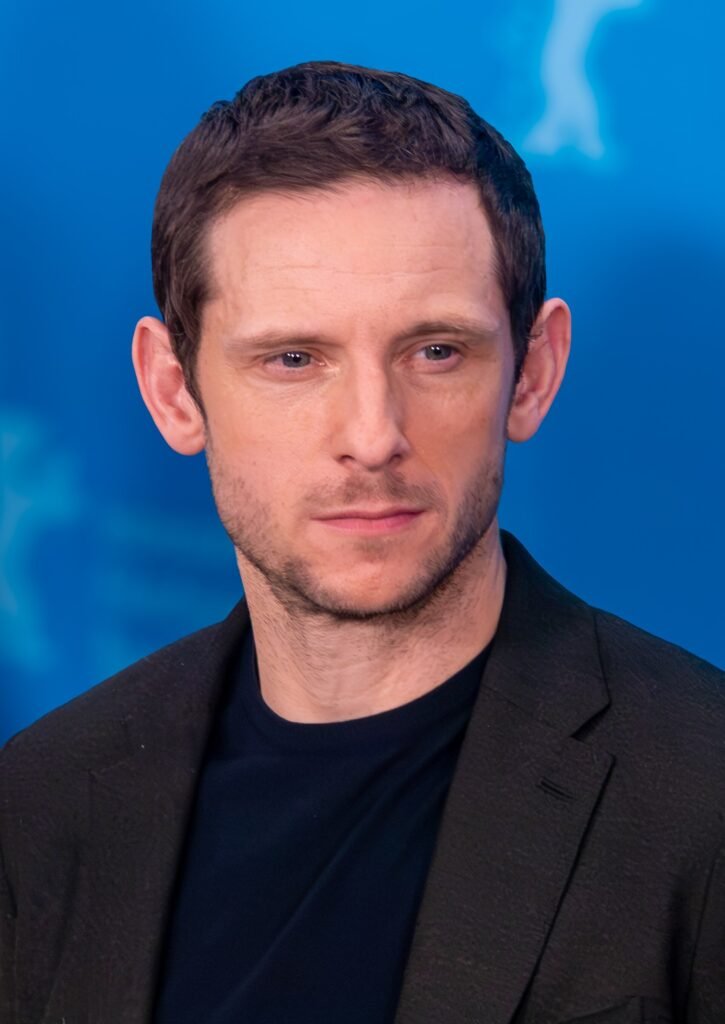
Jamie Bell fully embraces the movie’s theatricality. It mirrors the tension and chaos that prevails in the family.
Bell recognizes that the whole thing is larger than life. He does not try to make it realistic but embraces the dark comedy of the movie.
The character plays his part in painting the picture of dysfunctional emotions within the family. Nonetheless, like many of the other characters in the cast, he is occasionally hamstrung by the script.
However, the movie usually focuses more on the concepts than on individual characters. Thus, sometimes there is a sense that characters are more symbolic rather than personal.
Tracy Letts plays the part of a blind father with the presence and authority. Although the character has a limited appearance, he remains dominating in the plot.
The character personifies the influence of the previous generation on the family. There would be no emotional wounds related to the siblings without this background.
Letts conveys it quite successfully. The performance reflects a complex interplay of power, dependency and neglect.
The star of the show, however, is Pamela Anderson. She recognizes the satirical aspects of this movie.
Her role fits seamlessly into the odd blend of elegance and nonsense in the movie. Though she gets much
Are the Characters Developed Enough?
The acting is uniformly good, yet the depth of character development differs greatly.
Ed gets more screen time than the others, since the movie tells his story through his emotions. The other siblings remain enigmatic.
This helps to convey the meaning behind the movie. Characters are often symbolic of certain ideas regarding money, family, and trauma passed down to generations.
Yet, it also makes for emotional detachment. Some people would like to learn more about their motives.
The actors know their characters well. It’s just that the script favors symbolism.
More attention is paid to the significance of the characters rather than the characters themselves.
While this approach may be intellectually gratifying, it sometimes takes away from the emotional aspect of certain key scenes.
What Works in Rosebush Pruning
The true success of Rosebush Pruning lies in its assurance. Karim Aïnouz never compromises the vision that this film presents.
The film is fully aware of what it wants to accomplish. It is not afraid of creating an uncomfortable viewing experience.
The direction, photography, and acting give the film a very unique mood. There are few movies that can compare to it visually and emotionally.
The clash of beauty and ugliness works perfectly in this film. It is presented through luxury and emptiness of emotions.
Such contrast helps to develop the satire. Everything is present except happiness.
The movie has been able to explore very complex ideas. Complex issues such as wealth, family pressures, and generational trauma are explored.
Instead of sending straightforward messages, it raises very uncomfortable questions. Can privilege be a prison in itself?
Dark humor in the film has also worked well. Humor in the film is not separate from the tragedy.
Instead, humor makes the dark parts even more disturbing.
Another big winner is Callum Turner. It’s his emotional reticence that makes this movie relatable.
If it were not for Ed’s point of view, it would be too hard to relate to the movie. Callum Turner gives access to its weird universe.
What Does Not Work
Even with its positive points, Rosebush Pruning is still not perfect. The main flaw with the movie is that of its connection to the structural elements of a narrative.
There are some very interesting concepts that are presented in the film, but at times, the narrative does struggle to stay dynamic.
The slow-paced nature of the movie will definitely alienate some viewers who may see it as being unnecessarily constrained.
Moreover, the screenplay establishes emotional distance from various characters, whose symbolism becomes obvious even before knowing their personal motives.
Perhaps a greater concentration on the individual viewpoint would have enhanced the emotional connection.
In some cases, the movie resembles more of an intellectual challenge than a fully-fledged drama.
It does not mean that the method used was inefficient. Nevertheless, it makes the movie inaccessible.
Overall Verdict: A Beautifully Uncomfortable Experience
Rosebush Pruning is a difficult and uncompromising movie. This movie prioritizes concepts, atmosphere, and emotions over conventional plot development.
Karim Aïnouz has managed to make a movie that does not stick to any conventions. Instead of providing an ordinary story about a dysfunctional family, he offers an unusual study of class and madness.
The biggest strength of the movie lies in the world it creates. Everything in it fits into the same picture.
Each theme is tied to the issues addressed in the movie. Riches lead to loneliness. Family leads to domination. Comfort becomes a trap.
The cinematography by Hélène Louvart endows the movie with a stunning visual signature. The pictures are exquisite, elaborate, and frequently stunning.
But the beauty never takes precedence over the narrative itself. The refined visuals always serve to make viewers realize the hollowness of it all.
The actors also add their own contribution to the experience. Callum Turner contributes a richly human core within the stylized setting.
It gives viewers somebody to connect with through the character of Ed. Otherwise, the coldness of some scenes would probably be even stronger.
Another element of the movie worth mentioning is its supporting actors’ performance. It was performed by Riley Keough, Elle Fanning, Jamie Bell, Tracy Letts, and Pamela Anderson.
They realize that being realistic is not the first priority here. What is more important for them is to create a high level of reality.
However, Rosebush Pruning is not an ideal movie. Sometimes its ambition is bigger than its structure.
Themes tend to carry much weight than the plot of the movie. It poses thought-provoking ideas that are not always developed by the characters.
The pacing of the film can sometimes put off some viewers since it is done in a way that makes the viewer tense while at the same time slowing down the pace of the film.
While some viewers will appreciate the confidence with which the movie is shot, others will wait for more emotionally charged moments in the film.
What determines whether the film will be a success is the expectations that viewers have of films in general. Some might want a typical thriller and will be disappointed.
The film does not seek to create suspense nor does it aim at character development. It is more like a psychological profile in the guise of black humor.
Its aim is not to comfort us. It seeks to stir up debate and make a statement.
Final Thoughts
In this Rosebush Pruning movie review, I find a film that is visually incredible, thematic and absolutely hard to overlook.
Karim Aïnouz has created an intriguing look at a family that has been broken down by their own privilege and emotional emptiness. In his hands, individual breakdown becomes a symbolically bigger thing.
Sometimes, the film fails to attain the emotional power that it tries to reach. Sometimes, the characters feel distant, and the tempo gets unbalanced.
Still, some things become absolutely undeniable. The visuals are brilliant. The acting is strong. The mood is memorable.
Rosebush Pruning is a flawed yet captivating piece of art house cinema. It is eccentric, shocking, and purposefully unsettling.
It may not appeal to everyone, but it certainly makes for an engaging cinematic experience. There are very few movies that dare to venture into these ideas with such assurance.
For those open-minded enough to accept the movie for what it is, there are many things to think about after watching it.
It is an audacious look at family, riches, and generational harm. Even when it irritates, it is fascinating.