The Death of Robin Hood Review: A Dark Legend That Falls Short

Introduction (Warning Contains Spoilers)
For centuries now, Robin Hood has been one of the most recognizable characters in literature. He is a character who embodies justice, rebellion, bravery, and hope. There have been many stories telling the adventures of the famous outlaw.
However, not all have paid attention to the emotional price of being a hero.
The Death of Robin Hood has chosen a completely different path in its portrayal of the legendary character. Instead, it explores an older Robin haunted by his violent past.
Michael Sarnoski’s 2026 movie has a darker take on the classic tale. The protagonist of the film, played by actor Hugh Jackman, is the character of Robin Hood and his portrayal is very introspective. Apart from the lead, other notable actors include Jodie Comer, Bill Skarsgård, Murray Bartlett, and Noah Jupe.
The narrative is about a middle-aged Robin who lives in voluntary isolation, haunted by the murders he had committed. Injured badly in the process, Robin runs away to a priory, where he develops connections with the prioress and an orphaned child.
On paper, The Death of Robin Hood seemed to be the perfect recipe for success. This film had everything from an exciting director to an interesting plot. Unfortunately, the final product is not entirely up to the mark.
A Promising Combination Of Talent
Michael Sarnoski looked to be a perfect fit for this script. His earlier works displayed his capability at handling stories with strong emotions. His 2021 movie Pig was a very poignant character study that dealt with themes of grief, loss, and redemption.
His work on A Quiet Place: Day One proved that Sarnoski could take on bigger projects. This showed his skill in building tension and atmosphere as well.
Given his past success, there was much expectation. Sarnoski appeared to be well-suited to tell a dark Robin Hood story. He also seemed to be perfect to tell the story of an old warrior.
It might have been that my expectations were overly optimistic. The very title indicated a completely different type of Robin Hood story. Nonetheless, I expected the movie to give me satisfaction.
Robin becoming old is an intriguing concept. It enables the character to be more human. The flawlessness that comes with heroes becomes stripped away from them.
Unfortunately, the movie is unable to strike a balance. It has a lot of great ideas, yet it fails to execute them well enough.
Michael Sarnoski’s Directorial Choices
The style of Sarnoski’s direction can be seen in his entire film. Sarnoski focuses on atmosphere, silence and emotion. He does not resort to traditional action filmmaking techniques.
This film about Robin Hood is not concerned with victorious heroics. Rather, it shows us remorse and human pain. Robin is shown as an injured man who is looking for peace.
Such an artistic decision seems quite natural. It is a departure from all previous interpretations. This character now seems more credible and fragile.
Sarnoski lets scenes breathe. Sarnoski gives characters time to think. In such a way, he uses silence as an artistic technique.
Such an approach works quite well at some moments. Hugh Jackman’s acting greatly profits from it. At times, his expressions tell more than any lines.
However, such a technique works badly in many cases. Scenes become very long and slow in this film.
Slow pace is useful. A lot of great movies are based on patience to make the viewers feel something. The problem with this movie is that sometimes the plot does not pay off for this kind of approach.
Sometimes it seems like the filmmaker is more focused on the atmosphere of the movie rather than its development.
Sarnoski knows exactly what themes he wants to work with: guilt, redemption, mortality. However, the way he works with them is questionable.
Pat Scola’s Cinematography Creates A Beautiful World
Whereas there are many aspects which can be considered as weaknesses, one strength is the way the movie is shot.
The movie does not use the brightly colored environment associated with stories about Robin Hood. Instead, there is a world which is cold and dark.
There are forests and landscapes which are lonely. The locations seem to be part of Robin’s mind. It is about isolation and doubt.
Cinematographer Pat Scola uses natural lighting during the shooting of the movie. There are environments that look real.
The camera work is highly controlled as well. Scola does not make any unnecessary movements. Images are allowed to linger on the screen for some time.
Such visual approach matches perfectly Sarnoski’s directorial style. It evokes a sense of sorrow. Each frame is planned very precisely.
Sometimes such beautiful cinematography emphasizes the flaws of the film. In fact, visuals become more interesting than the plot of the film itself.
The viewer is amazed by the quality of filmmaking. At the same time, he wonders what is happening to the plot.
Nonetheless, the work done by Scola is highly impressive. The film has its own visual style. It confirms that even a known legend can look differently.
Themes Of Guilt, Redemption, And Mortality
The one thing that is most appealing about The Death of Robin Hood is the way it deals with consequences. What happens after the war?
Robin is no longer a boy. He is a man burdened with years of guilt. Everything he has done influences him.
Does he get redeemed? Can somebody who is violent achieve peace of mind?
These are intriguing themes. They give an entirely new dimension to the character. Robin – a legendary outlaw becomes a flawed individual.
Still, sometimes the themes prevail over the plot. The movie has many ideas worth talking about. Sometimes they are delivered not so effectively.
For example, the biggest problem is the pace. It’s obvious that this movie is meant to be a slow burn. And not everyone would like this approach.
Those who appreciate the patience would find this movie to their taste. But there are people who might find the pace too sluggish.
The plot sometimes has problems catching attention. It takes time to build up the mood but sometimes this doesn’t pay off emotionally.
There are also some strange choices that have been made creatively. There is one scene with Jodie Comer’s character in which people disagree on the use of it. Her character is a nun who indulges in an intimate moment of hers in a cave.
The scene seems to be created in order to address some complex issues. The scene could imply something about religion, temptation, and human passion. Nevertheless, it seems out of place within the greater narrative context.
Rather than creating an additional layer, it creates confusion.
The Performances Carry The Film
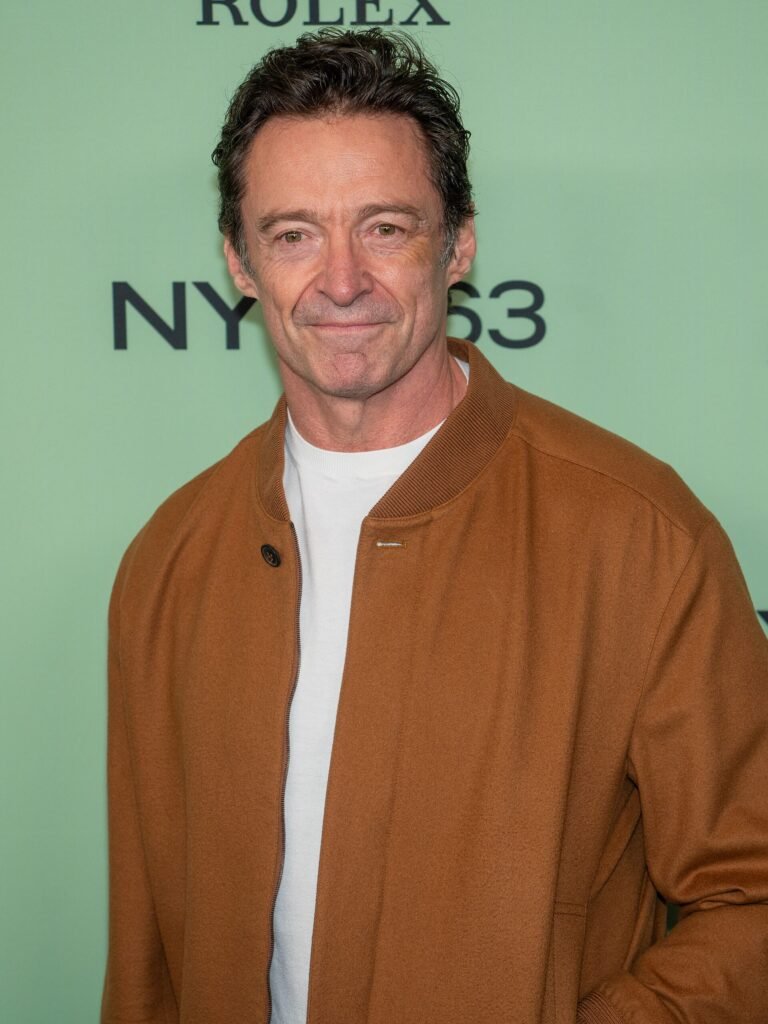
The best thing about The Death of Robin Hood has to be its acting. All of the performances give the movie its emotion.
Hugh Jackman holds this whole movie together. This is one of the reasons why people will stick around throughout the film.
Jackman does not try to make Robin Hood an action hero. On the contrary, he gives him a vulnerable side.
This is a rather subtle performance. Jackman shows his feelings through tiny gestures. His face tells us about Robin’s inner conflicts.
Playing this character needs patience and experience. There is not much action in the movie. There are lots of pauses. Jackman knows how to make them interesting.
His performance works even when the pace of the movie gets too slow. Jackman succeeds in giving life to his character. It is believable that Robin suffers.
Without Jackman, the movie would suffer even more. His performance gives a purpose to the whole film. It brings humanity to the aging legend.
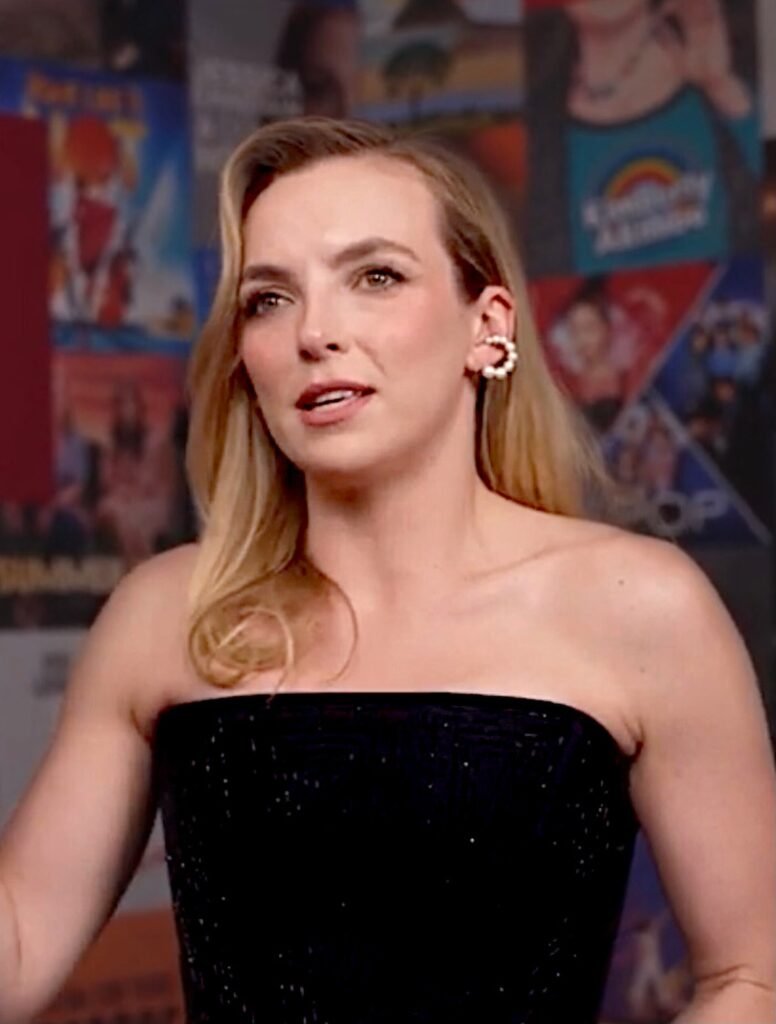
Jodie Comer also delivers a strong performance. She brings warmth and complexity to the role of the prioress.
Her character provides an important contrast to Robin. She represents compassion and understanding. She also shares strong chemistry with Jackman.
Their scenes together are among the film’s most effective moments. Comer brings emotional honesty to the relationship. She helps create the film’s quieter strengths.
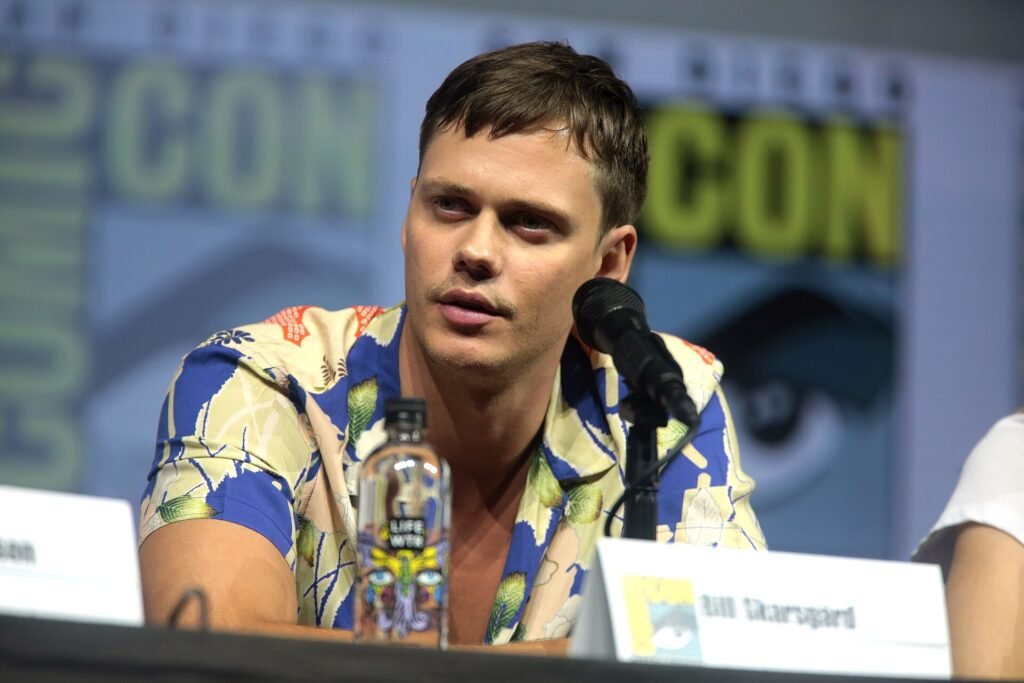
Little John is portrayed by Bill Skarsgård. The part may be small, but he sure does make an impression each time he steps on screen.
He lends his character loyalty and seriousness. One gets the impression that the actor has some past history with Robin.
I am a fan of Skarsgård’s performances; thus, it is disappointing to see him have such a small part. It could have been explored further.
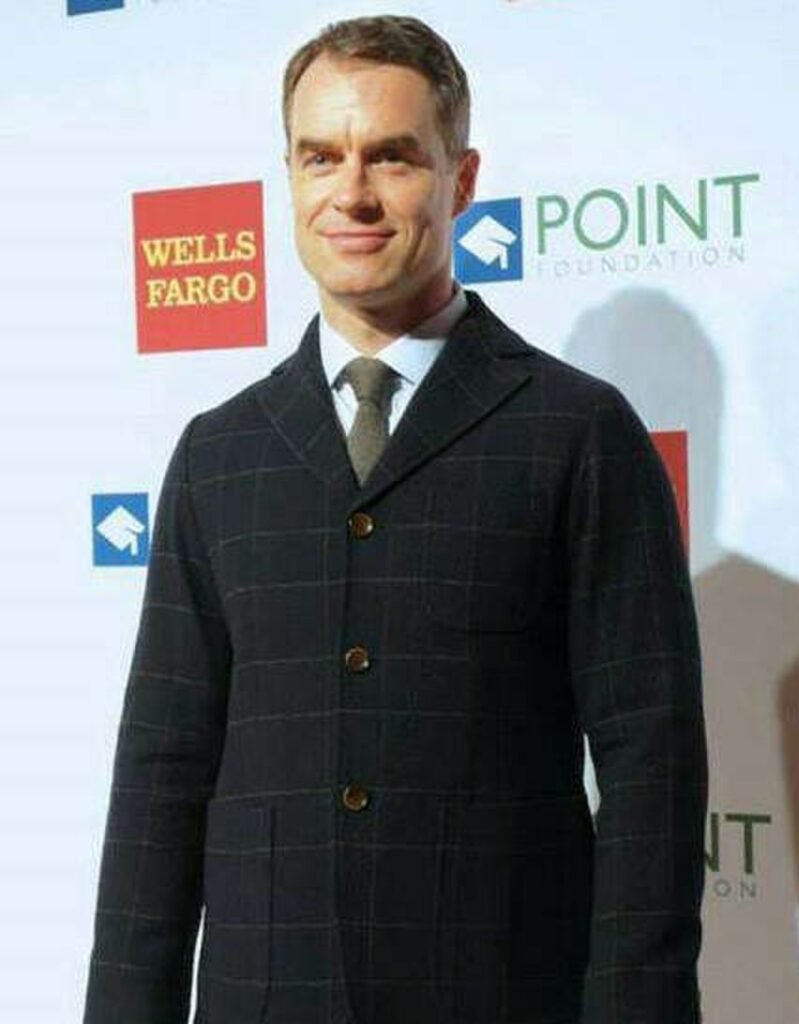
Another excellent supporting actor in the movie is Murray Bartlett, who adds credibility to the scenes.
Despite the character’s undeveloped nature, Bartlett is able to make the best out of it. He adds depth to the storyline.
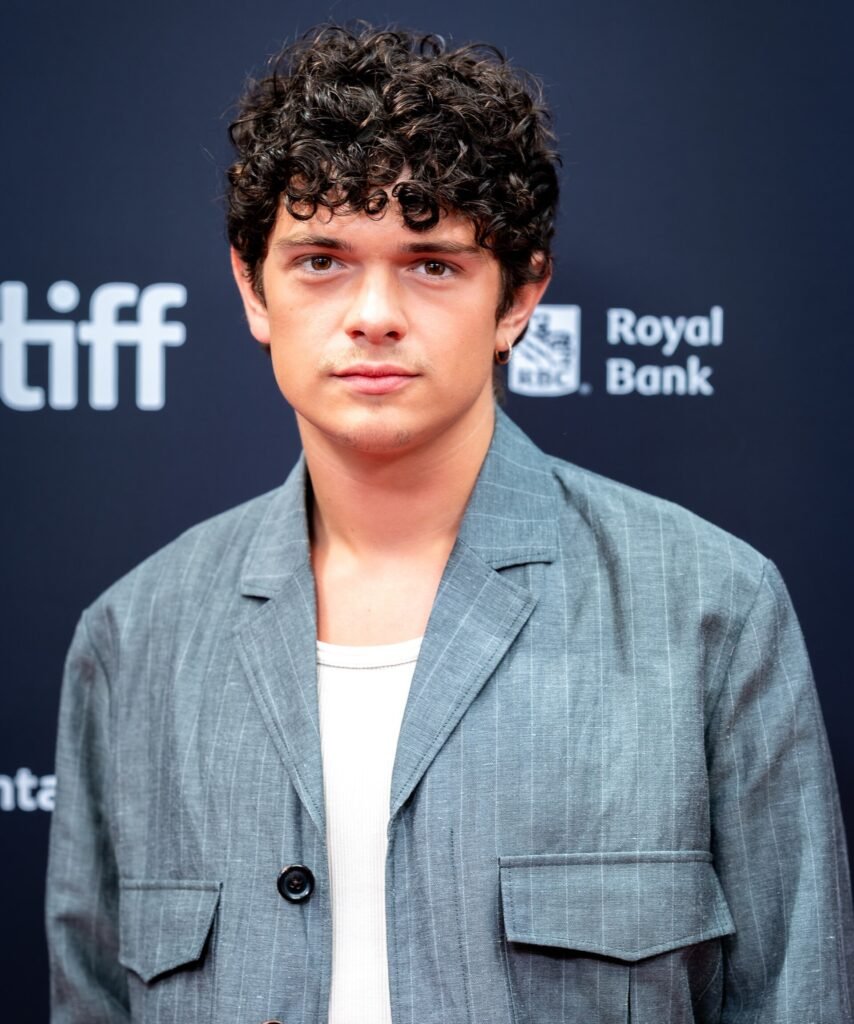
Noah Jupe also gives an earnest performance. He adds innocence and vulnerability to the movie.
He makes up for the grim nature of Robin’s development arc. He offers the promise in the midst of the gloom.
Every single actor in the movie is dedicated. What is lacking here is not the talent of the actors but the screenplay itself.
What Worked And What Did Not
There is things that can be admired in The Death of Robin Hood. The film makes bold decisions. The film chooses not to recycle already established legends.
It is a good choice to have Robin as an old man. This makes room for new storytelling. Questions that many other films avoid.
Hugh Jackman’s acting is top-notch. The cinematography of Pat Scola is remarkable. Also Jodie Comer gives emotional depth.
But the film also gets credit for its atmosphere. A world that seems real. And it has a distinct style.
But where the movie falls short is in balance. Mood and contemplation are emphasized. Sometimes, it loses sight of the value of engagement.
The pacing will be the biggest problem for most viewers. It takes a while to build up. Regrettably, it does not always pay off in the end.
There are scenes that do not need to be there. There are concepts that lack development. It almost makes greatness but does not make it.
Final Verdict
Death of Robin Hood is an interesting yet disappointing take on the legend. The film offers wonderful acting and cinematography.
It has to be mentioned that Michael Sarnoski tries hard. He creates something unique out of a classic character.
Unfortunately, the film fails to realize its full potential. The slow pace and inconsistency become its weak spots.
The biggest drawback is that you can easily notice all the ingredients of a great movie throughout the film.
The performance of Hugh Jackman is very impressive. The visuals of Pat Scola are spectacular. The supporting cast is committed and talented.
However, it all seems somehow lacking in the end. It can be easily admired but not easily loved.
To those who enjoy the slower form of cinema, there is much to like here. To others, the movie might prove too sluggish.
In the end, however, one must admit that The Death of Robin Hood was an attempt at something new and daring. It was a beautiful, ambitious, and intelligent film.
It was, however, still a movie that failed to live up to its potential.