Lalka (The Doll) Movie Review
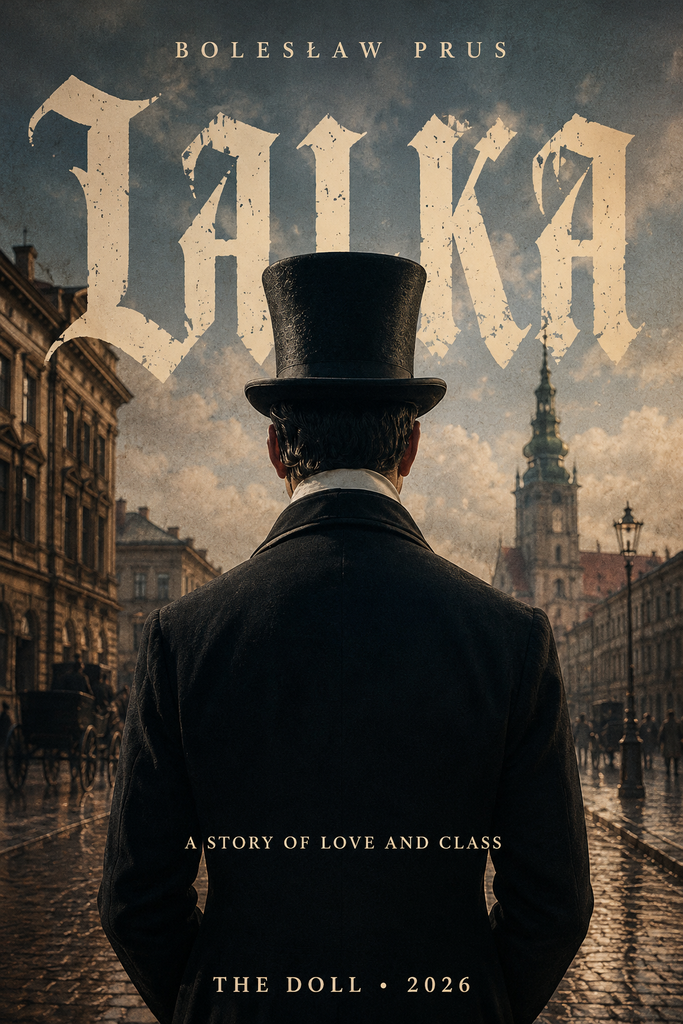
Lalka (The Doll) movie review: A Lavish and Tragic Polish Period Drama
It’s never easy to take one of literature’s most beloved stories and turn it into a film. However, the 2026 version directed by Maciej Kawalski takes on the ambitious task with gusto.
Bolesław Prus‘s The Doll (Lalka) is transformed into a lavish period piece which truly embodies the struggles of society, unrequited love and social divide.
The film revolves around Stanisław Wokulski, a wealthy entrepreneur who falls desperately in love with Izabela Łęcka, an aristocrat whose family has fallen on hard times but are extremely proud of their status.
He will do anything to win her love, even though he knows he is an outsider to this world. Wokulski believes his wealth, intelligence and willpower may finally lead him to be accepted.
However, The Doll is an incredible story about social climbing, privilege, capitalism and how love can be destructive.
The film definitely shows Kawalski’s respect for the story as it is an eye-catching and emotional adaption which fans of the book and traditional historical dramas will enjoy.
A Grand Adaptation of a Polish Literary Classic
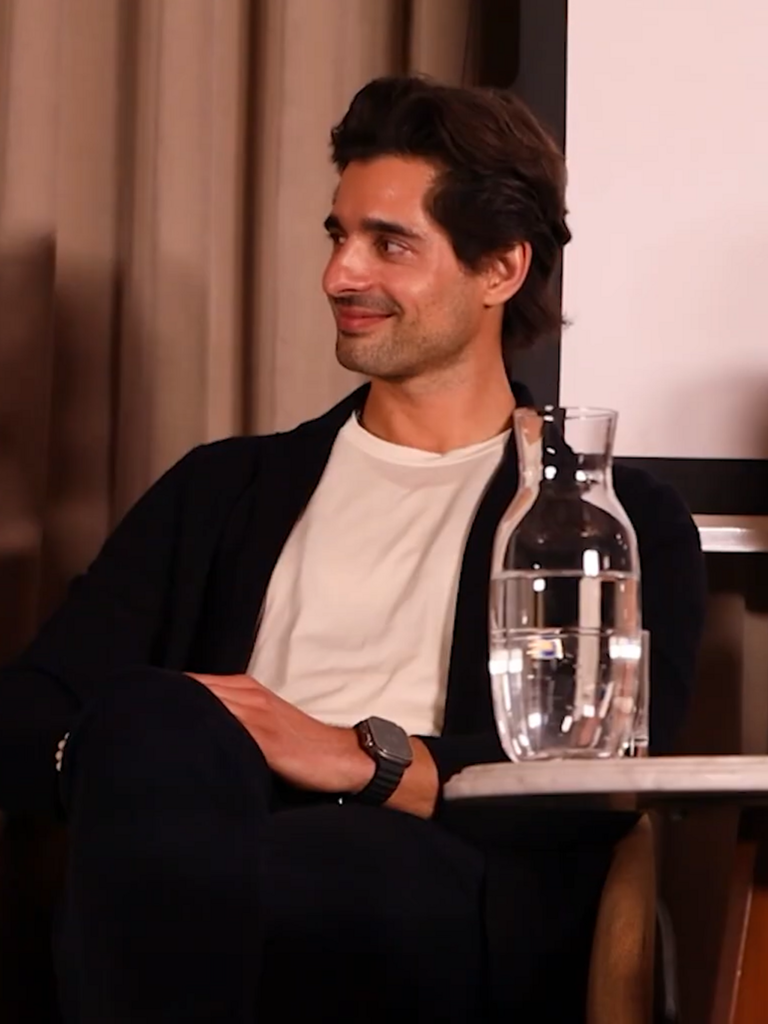
The film has a definite sense of grandeur. The reported budget for the film was around 15 million Euros making it one of the largest films produced in Poland.
It also has a large scope and visually it really does feel like a large historical epic. Rather than try to give the story a completely different angle, Kawalski decided to use the nineteenth century setting to his advantage.
This allows the film to have a clear identity. The film takes place in 1870s Warsaw which is a time when there were strict social structures and everyone had a lot of money passed down through generations.
Wokulski may have worked hard to become a successful businessman, but his accomplishments mean little to the aristocracy who still see him as a nobody.
The film knows this; they understand that this isn’t just because they are snobs. The country was in the middle of huge changes.
Industrial capitalism was starting to take over and a new wealthy entrepreneur class was emerging. Wokulski is a part of this new world but still has emotional ties to those who won’t accept him.
Kawalski has done a good job of showing this. The love story is combined with the observations about Polish society from the novel to create a personal yet large period drama.
Marcin Dorociński Leads a Powerful Cast
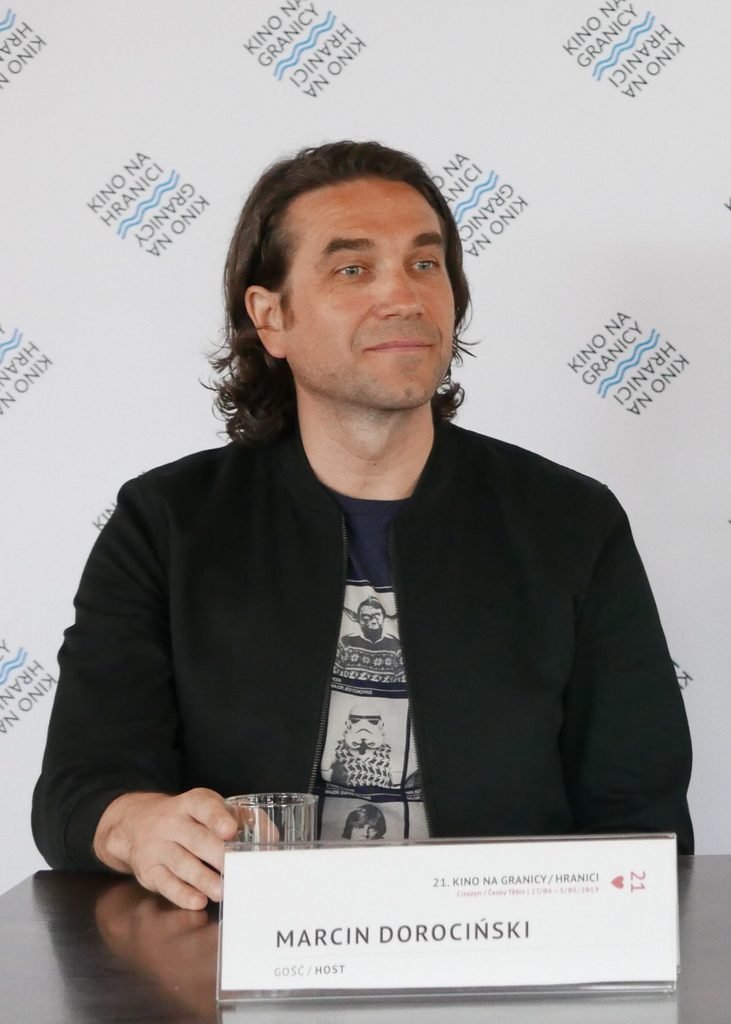
©Creative Commons Attribution-Share Alike 4.0
The standout of the film is undoubtedly the lead performance given by Marcin Dorociński. He plays Stanisław Wokulski as a highly intelligent individual with strong business acumen, but is often let down by his romanticism.
Dorociński does a great job of playing up the many contrasts of the character. He is a very capable, clever and driven individual, however when it comes to Izabela his judgement is clouded.
His desire to be accepted by the aristocratic class is very closely linked to his desire to be loved by a specific woman, causing his desire for acceptance to become evident as he makes more sacrifices for her.
The performance also shows the mental decline he suffers from because of his obsession. We can see how frustrated and vulnerable he is becoming whilst maintaining his confident exterior.
Dorociński makes the inner turmoil fascinating to watch and he also gives him enough respect to create genuine sympathy for his character as his choices become harder to justify.
Kamila Urzędowska gives a more subtle performance as Izabela Łęcka. Although she is often known for being the epitome of an arrogant and emotionally detached aristocrat, Urzędowska makes her much more dynamic.
Although she might not have the grand, unapproachable presence as Beata Tyszkiewicz did in her iconic role in the 1968 version by Wojciech Has, her performance has some positives.
This isn’t just a romantic tragedy villain. She is a product of a society which has taught her that status, looks and security should be her main priorities. Urzędowska helps us understand why she acts the way she does.
Veteran Performances Add Real Weight
The rest of the supporting cast is very strong too. It’s great to see Marek Kondrat back, after having had a long break from the industry.
He plays Ignacy Rzecki well and offers some much needed emotional balance to Wokulski’s romantic troubles.
Andrzej Seweryn plays Tomasz Łęcki very well. Both actors have lots of experience and bring a real weight to their characters.
Whilst the age of some of the characters doesn’t match up to how they’re described in the novel, the quality of the acting makes up for it.
This really helps add depth to the film. This is a story full of themes around class, reputation and socialisation.
The characters surrounding Wokulski are there to show how they think about money, work, privilege and the changing world.
This helps to really set this film apart from your typical love story set in the past.
Beautiful Production Design and Cinematography
The production design of The Doll is incredibly well done. It was filmed in many locations such as Warsaw, Kraków, Łódź and Wrocław. Poland’s old architecture has been used very well to create a 19 th century feel.
The set design is really well done. The streets, buildings, costumes and societal elements have been thought about thoroughly.
The aristocracy is shown to be falling apart and are very traditional and privileged. While the new business world is very lively and fast paced.
This contrast in the two worlds is a key theme within the film. The cinematography helps portray this.
The grand scenes make us feel as if we are outside of Wokulski’s personal issues, while the close ups make us focus on the characters emotions.
There is a lot of detail within the film which makes the theatre experience enjoyable. The film definitely wants us to get involved with the world they have created. The set design helps to make us feel like we’re actually in 19 th century Poland.
A Faithful Interpretation of Prus’ Novel
One of the most interesting things about this 2026 adaptation is how true to the spirit of the source material it really is.
Prus’ The Doll is a very detailed and complex piece, it’s a romantic tragedy but also really looks at societal issues, economical shifts and questions of national identity. Simplifying it down into a simple love story would not do it justice.
Kawalski seems to want to keep the themes of the story. He really focuses on the social issues in the story. Specifically, the idea that people believe that you should earn your worth through inheritance rather than personal success.
Whilst Wokulski has money, he can’t necessarily gain the respect and acceptance he desires from the aristocracy.
Wokulski is a complex character due to his realistic outlook in business but then his romantic naivety. He knows how the real world works when it comes to business but seems to completely ignore this when it comes to love. This makes him an intriguing and ultimately tragic character.
This film was released around the same time as a controversial modernised miniseries on Netflix. Whilst this could be trying to make the story more relatable to modern audiences, Kawalski has focused more on keeping the atmosphere and national identity of the story.
This is a more traditional approach to the film but feels like a fitting way to adapt a story that is so rooted in its time.
Can 166 Minutes Do Justice to a 700-Page Novel?
The main issue with The Doll is the fact that it does cover quite a lot of ground from the novel. There are many characters to get to grips with, storylines to follow and an in-depth look at Polish society. This means that even with the long run time of 166 minutes, not everything can be covered.
The main love story is still engaging but some of the secondary parts of the story feel rushed. Some of the subplots were not given enough time to fully explore and some characters or events didn’t get the attention they deserved.
There can also be issues with pacing. While the film has an epic feel to it, at times it did feel like it was rushing to cover the material.
Those who haven’t read the novel may struggle to understand some parts of the film and those who have read it may have wished some characters and themes had been explored more.
It can be a tricky issue to overcome. A longer mini series could have given the story the chance to develop but by making a substantial film for the big screen, Kawalski has given the film an engaging pace and a cohesive feel. The film is amazing but some things will have to be sacrificed.
Final Verdict
Maciej Kawalski has created an elegant, ambitious and reverent version of one of Poland’s most important literary work. A tragic love story at its heart, it reflects on class and privilege.
Marcin Dorociński gives an incredible performance as Wokulski. He delivers a very emotive performance with his character’s best traits being his worst.
Kamila Urzędowska also provides a complex Izabela and Marek Kondrat and Andrzej Seweryn add weight to the rest of the cast.
The film looks incredible. Featuring extravagant set design, costume design and location choice it really creates a believable 19th century setting.
The film takes a very classic approach by Kawalski so the social commentary within the Prus novel stands out.
However, the film struggles to fit everything in as it is based off a huge novel. Whilst it is only 166 mins long there are still some plot lines and minor characters which feel like they are rushed.
Giving the story a bit more time to show the world outside of Wokulski’s obsession would have made this an even better adaptation.
Overall, The Doll is an enjoyable piece of Polish cinema. The film understands why Wokulski is a tragic character, not just because he loves a girl who doesn’t love him back but because he thinks he can beat an entire social system with his wealth and determination.
The story is still incredibly relevant today and Maciej Kawalski has done a fantastic job creating a large scale film with incredible performances and a real love for the source material. A luxurious and worthwhile adaptation of a Polish literary classic.