Animol Movie Review
Not all prison dramas are the same, but the best usually look past the obvious violence and look at the wider systems causing it.
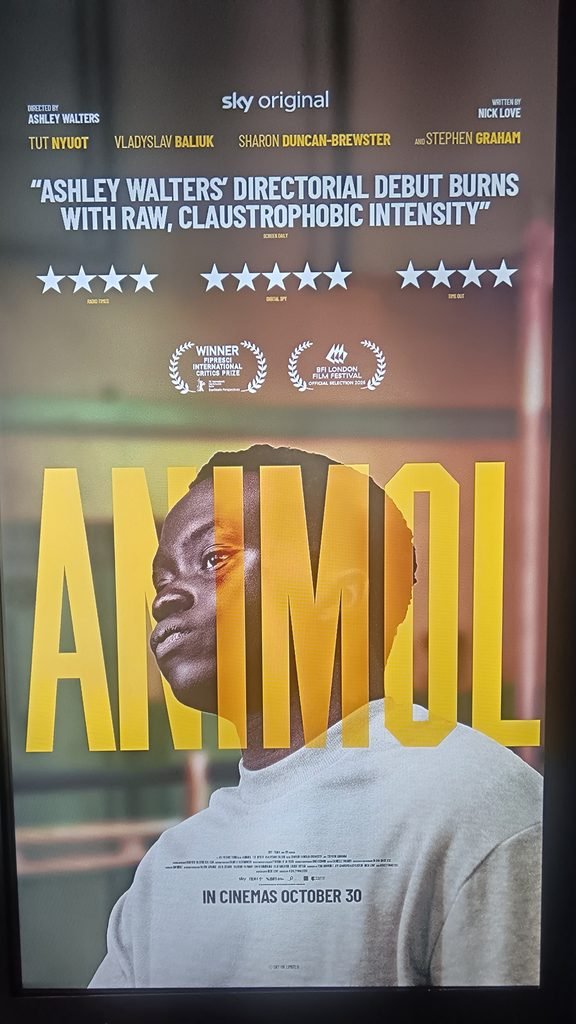
Animol, Ashley Walters’ feature-film directorial debut, does this well, telling a moving story about teenage years and being locked up.
Written by Nick Love, the film follows Troy (Tut Nyuot) who has been remanded to a Young Offender Institution for conspiracy to commit murder.
After being dropped into the harsh world of gangs and toxic masculinity, he quickly learns there are rules that must be followed in order to survive.
As Troy tries to fit in, he forms an unlikely friendship with the quirky Krystian (Vladyslav Baliuk).
He also faces pressure from cold-blooded gang boss Dion (Sekou Diaby) and the more cautious Claypole (Stephen Graham).
This creates a compelling drama which shows how there can be a fragile humanity in some of the worst situations.
A great performance from Nyuot at the centre of this film, supported well by Graham and Baliuk. This is a really engaging British drama thanks to Walters’ confident direction.
The ending sometimes feels a bit too clean considering how harsh the setting was, but this does not take away from the overall effect.
Ashley Walters Makes an Assured Directorial Debut
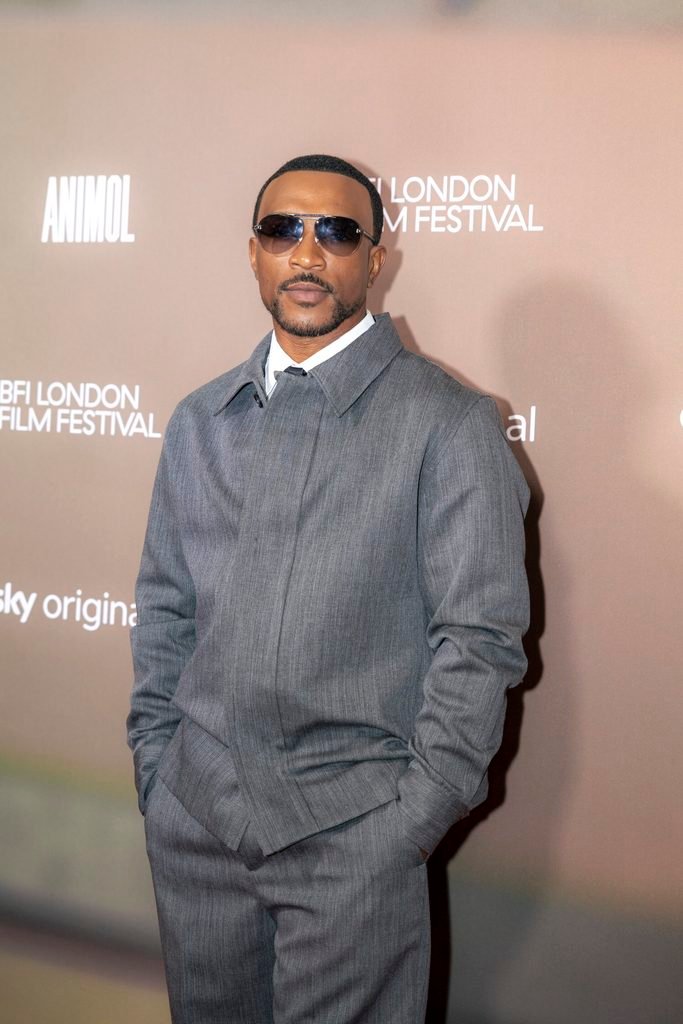
Although moving into directing can be a tricky process, Ashley Walters clearly knows how to make a good film.
Whilst Walters is best known for his acting in Top Boy, this showcases his excellent knowledge of the plot. He is able to bring out the best performances from his actors.
Walters has a confident style to his direction. Although he does not go over the top with lots of stylistic choices, he lets the performances shine through.
He understands that the best moments come from the little interactions between the characters. He understands how awkward silences and the contrast between the dialogue and what the characters are really feeling can create some incredible moments.
The tone throughout the film was well controlled. Although the prison setting can often feel quite intimidating, Walters creates some light-hearted moments.
There are plenty of moments of affection and unexpected moments of tenderness. This is important to include as it reminds us that the young men are more than just their tough exteriors.
There are moments which suggest Walters is still a new director. Towards the end of the film there are moments which feel slightly too perfect when it comes to the emotions.
However these are very minimal. Overall, Walters has a natural feel for filmmaking and is able to create a good balance between the aggression and vulnerability. This is an incredible debut and shows great potential for Walters in the future.
A Claustrophobic and Convincing Prison Environment
The Young Offender Institution plays a large role in the film; it is a very oppressive setting.
The cinematography helps the viewer to get an understanding of how claustrophobic, hostile and difficult to escape from this environment is.
The film does not make it seem like a stylish set piece, but more of a place where you always feel on edge.
This is an important factor because the film focuses on the effects of being incarcerated. Troy is always trying to figure out who he can trust, who is in what gang and when to stand up for himself.
As a viewer you always feel uncertain throughout the film. This can make small, everyday situations seem threatening.
You never really know what could happen if you said or did the wrong thing which creates a very claustrophobic environment. This makes it easy to understand why Troy has trouble finding a sense of security.
Walters does not focus on the clichés normally associated with prison films. She focuses on the emotional pressure of the young offenders institution.
Although the violence is important, the constant intimidation, lack of privacy and feeling that everything is conditional within relationships is also important.
Tut Nyuot Delivers a Standout Performance

The core of the film is Tut Nyuot who delivers a brilliant performance as Troy. The character is a young person who is stuck between being naive (due to being young) and having to be harsh due to his environment.
Nyuot manages to bring out the inner conflict of this character brilliantly. As Troy is a very timid and unsure person he can not afford to appear too weak.
He must adapt to fit in with the prison system whilst still trying to maintain who he was before arriving.
The performance is very good as he doesn’t portray Troy as a typical movie hero. He is unsure and at times not as likeable or makes the correct choices.
You really feel that he is a teenager who is trying to survive a situation way beyond his emotional maturity.
The developing friendship with Krystian creates some of the most touching moments in the film. This allows Troy to experience something different and not feel everything around him is so hostile.
Overall this is a brilliant central performance and really creates the emotional core to the film which helps to make it connect with the broader themes.
Stephen Graham and the Supporting Cast

Stephen Graham plays Claypole excellently. He gives the character a subtle human element showing his understanding of the struggles these young men have. Yet he is restricted by the environment he is in.
This is an interesting character as he shows how you can be supportive and help people rehabilitate without being unrealistic.
Graham gives him a tired and frustrated vibe to show how much he wants to help yet cannot.
Vladyslav Baliuk does a great job in the role of Krystian. His character gives a quirky and friendly vibe which is a nice contrast to some of the more intimidating characters.
One of the best things about this film is the chemistry between Baliuk and Nyuot. Their relationship develops naturally.
Sekou Diaby adds to the threatening vibe with the character Dion. He puts Troy under pressure as he is higher up in the pecking order. This shows how power is often obtained through intimidation in this environment.
The young actors do an amazing job. Their performances feel realistic and Walters shows she can get good performances out of actors who have to express complex feelings without long speeches.
The Prison System’s Vicious Catch-22
The film is made more interesting due to the themes of institutionalisation. The film shows how young people can be put into a situation where they can be encouraged to act in ways that make it harder to rehabilitate.
Troy must learn to conform to fit in and survive. However if he is seen as weak he will be targeted. If he doesn’t play along with the power structure in the prison he will be vulnerable.
The longer he stays in the longer he will learn to act in ways that could hinder him from creating a new life.
This creates a terrible catch 22. Young people can go into prison as weak individuals but whilst there they may become more defensive, aggressive and suspicious. Once they leave they will struggle to reintegrate due to these traits.
The film does not present it simply though and asks difficult questions about why we put people in prison and whether punishment can ever help the situations that lead to young people committing crimes.
Claypole represents the hope of a more caring approach but he is part of a system which often prevents him from doing so.
There is a clear feeling that the young men are being judged on their actions rather than taking into account the situations they have been put in.
Animol encourages the audience to think past the situations they have been put in and realise that vulnerable teenagers are being put into a situation where they will be rewarded for being aggressive.
This is a difficult subject to tackle but the film does so with more care than expected.
An Unexpectedly Tender Story
Despite the harsh nature of the setting, Animol is not just a continuous tale of misery. There are some really touching moments throughout the film.
The friendship between Troy and Krystian really adds to this. It shows that there can still be kindness in the world and friendship between characters despite the harsh setting.
It also allows an alternative view of masculinity to come across. As Troy is kind and emotional.
This is very important as it stops the characters being defined by the violence in the film. They can still have moments of humour, loyalty and real friendship.
Walters has done a great job at creating this shift. The softer scenes do not feel out of place and instead create a sense of tragedy.
It makes the harsh setting seem even worse as you can see what the characters could be capable of.
This creates an emotional effect in the film. It shows that these young men are not just products of their environment but have the ability to be kind and change.
A Strong Script With a Slightly Uneven Finale
The screenplay by Nick Love provides Walters with a solid basis. The film opens with some classic prison themes but then gradually evolves into more unpredictable themes surrounding friendship, embarrassment and institutional failure.
The relationship between Troy and Krystian provide an emotional core to the story. With the two antagonists Dion and Claypole providing pressure.
The script works very well with showing how relationships are formed naturally. It does not always require an argument or plot twist to keep the audience engaged.
Sometimes short dialogue can convey more about what is going on than an intense fight scene.
The only issue with the screenplay is the ending. Having created a dark and harsh environment, there are moments where the film doesn’t really go all out. Some resolutions feel too perfect and the progression of some elements are a little smoother.
This somewhat takes away from the feeling of no way out throughout the film. A harsher ending could have made the theme of institutional failure even more impactful.
However, despite the ending there is still a great deal of effort put into the film. The characters are still interesting and leave you to think.
Final Verdict
Animol is an impressive British drama and a remarkably assured feature-length directorial debut from Ashley Walters.
Set within the hostile environment of a Young Offender Institution, it explores the damaging cycle of institutionalisation while never losing sight of the humanity of the young people caught inside it.
Tut Nyuot is terrific as Troy, delivering a sensitive and convincing performance that balances adolescent vulnerability with the fear and aggression required to survive prison.
Vladyslav Baliuk provides an excellent counterpoint as Krystian, while Stephen Graham brings considerable depth to the role of a youth worker trying to make a difference within a broken system. The chemistry between the young performers is particularly strong.
Walters also demonstrates an impressive command of tone, balancing the brutality of prison life with moments of genuine warmth and affection.
The cinematography reinforces the claustrophobic atmosphere, while Nick Love’s screenplay gives the story a clear sense of purpose.
The main disappointment is a final act that feels slightly too neat. Some of the resolutions soften the bleakness of the film’s central argument, and a more uncompromising conclusion might have left a stronger impression.
Even so, Animol is a compelling and thoughtful piece of filmmaking. It goes beyond familiar prison-drama conventions to ask difficult questions about punishment, rehabilitation and the way society treats vulnerable young people.
Most importantly, it recognises that the teenagers inside these institutions are still human beings capable of friendship, tenderness and change.
Ashley Walters has delivered a confident debut that points towards a promising future as a director.
Animol is gritty without being shallow, emotional without becoming sentimental, and a powerful reminder that simply locking young people away does not necessarily solve the problems that brought them there.