Project Hail Mary Movie Review
Project Hail Mary Movie Background and Development
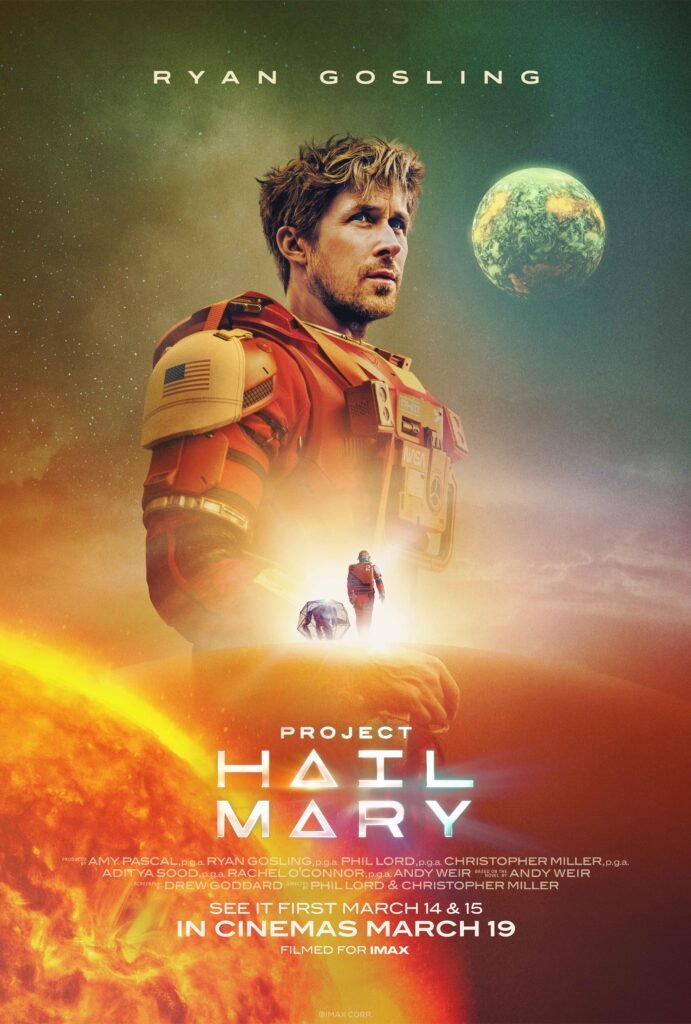
The movie adaptation of the Project Hail Mary movie began after the success of the novel Project Hail Mary by Andy Weir. Andy Weir already built strong recognition after The Martian. The Martian later became a major film directed by Ridley Scott and starring Matt Damon. That success proved his science-focused storytelling works on screen. Because of that, Hollywood closely tracked his next book early.
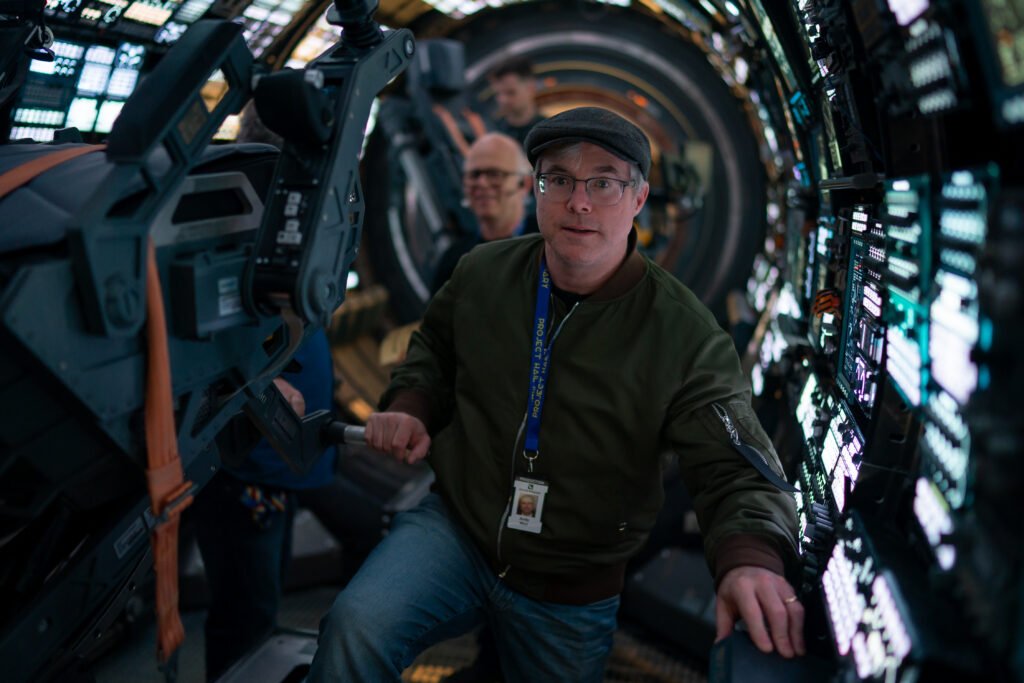
Photo credit: Jonathan Olley
© 2026 Amazon Content Services LLC/ Sony Pictures. All Rights Reserved.
Before publication, studios entered a bidding war for film rights. As a result Ryan Gosling and production company secured the rights with Metro-Goldwyn-Mayer. Gosling also joined as the lead actor playing Ryland Grace. This early casting helped push the project forward quickly. Thus studios often move faster when major talent commits early.
Drew Goddard wrote the screenplay. He also adapted The Martian for film. Therefore creating a strong continuity in tone and structure. Phil Lord and Christopher Miller later joined as directors. They previously worked on The Lego Movie and 21 Jump Street. They also worked on Spider-Man Into the Spider-Verse. Their involvement suggested a balance of humor, emotion, and spectacle.
The film follows a movement in sci-fi towards intelligent sci-fi. This film is based on realism and accuracy. As in The Martian, this movie will use concepts from physics, biology, and problem-solving. The filmmakers have given great importance to pacing in the movie. This has been done to make science interesting to all audiences.
In essence, the film has become a well-anticipated one through the success of its premise and stars before its release. Such confidence in Hollywood is hard to find.
Directing Style and IMAX Visual Approach
© 2026 Amazon Content Services LLC/ Sony pictures All Rights Reserved.
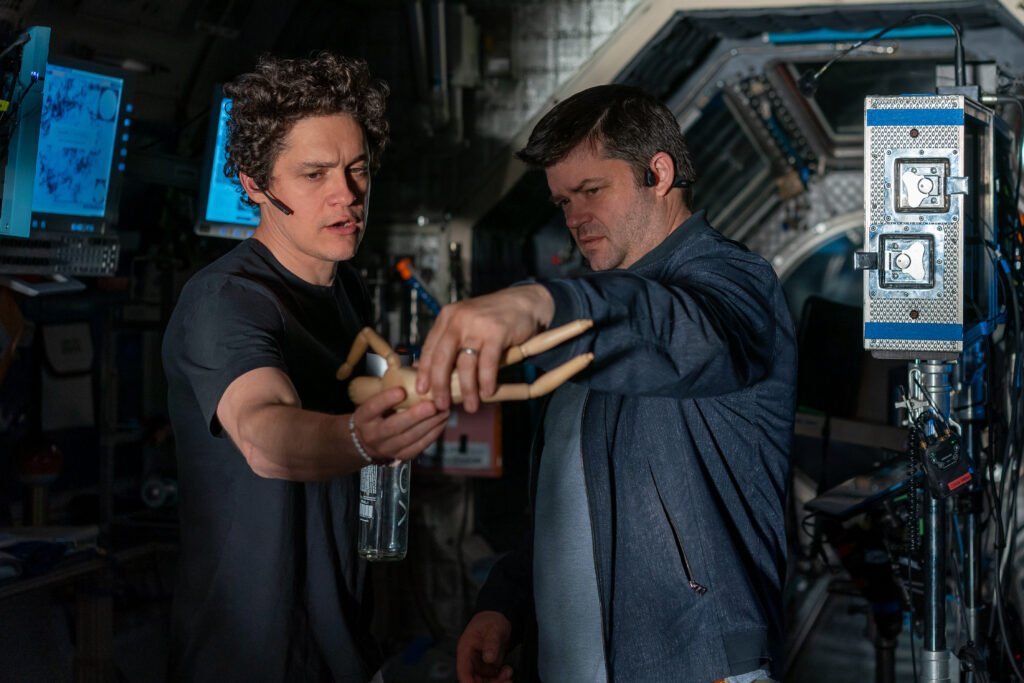
There was a change in direction taken by Phil Lord and Christopher Miller for the film’s direction. The comedy editing style had been abandoned. Immersion and the scope of emotion had become the key aspects.
The 70mm IMAX cinematography was influential in the way the visuals were created. It allows an image with extreme detail and dynamic range. It creates a grandness and texture in space that is portrayed within the film.
The movie is characterized by the use of CGI as well as other advanced technologies. Environments are created in real time using the LED stage technology. The creation of a virtual environment ensures accurate reflections and camera placement, thus ensuring realism.
In this movie, visual effects have been used to create a space physics look. The absence of the atmospheric effect leads to an image that appears brighter and more contrasted.
The camera frequently follows Ryland Grace closely. That ensures that the perspective remains human-scale, making the audience feel more connected emotionally. Shots using IMAX technology emphasize both human and cosmic scales by juxtaposing them.
Science in the film is portrayed as discovery rather than exposition. The directors focus on scenes where Ryland solves problems, making science more cinematic.
Audience Experience and Emotional Effect
Project Hail Mary immerses the audience well in IMAX. The large format immerses you in space. Scale of visuals evokes sensations powerfully.
Isolation heightens emotions in the movie. Ryland Grace looks small compared to the big cosmos around him. This emphasizes the feeling of loneliness and adds to the tension of survival.
Realistic graphics contribute to concentration by the viewer. The viewer accepts the world better, and this helps the viewer concentrate more on problem solving and the unfolding of the narrative.
Slow pacing may be a criticism of the movie. Nevertheless, from my point of view, it contributes to creating suspense via atmosphere. The viewer concentrates on the visuals without the necessity of fast-paced events.
Large-screen viewing enhances memory too. The viewer remembers particular visuals in detail.
Technical Visual Effects and Realism
Visual effects emphasize physical realism. CGI renders realistic lighting behavior in space. That eliminates atmospheric interference. It provides stark contrast and darkness.
Virtual production sets show real-time digital environments. The actors act within the digital environment scenes. That enhances lighting accuracy and realism. That also mitigates green screen restrictions.
The movie applies layering of realism in design. Both ships and environments show signs of wear and surface detailing. That avoids any clean or artificial appearance.
Zero gravity effects require the use of rigs and digital fixes. The movement has to be fixed for any effect related to earthly laws to be removed. This will enhance the realism in the motion and drift.
IMAX quality requires high-resolution images. Background objects should retain their sharpness and complexity. Starfield scenes will feature layers of complexity.
Moreover, the directors do not overload the visuals unnecessarily. It enables the viewers to pay attention to specific aspects.
Influence of 2001 A Space Odyssey on Project Hail Mary
In my opinion, Project Hail Mary shows clear influence from 2001: A Space Odyssey by Stanley Kubrick. The film uses slow pacing and precise visuals to build immersion. It focuses on realism rather than spectacle. The space sequences feel quiet and controlled instead of chaotic.
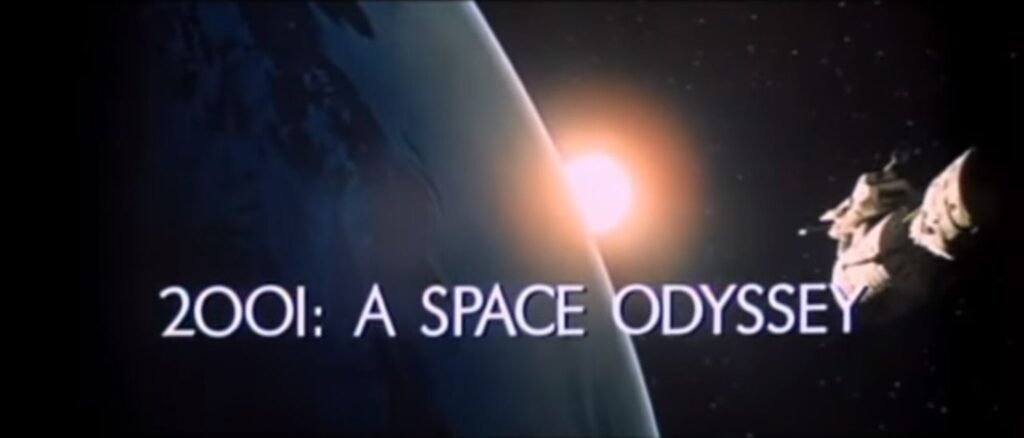
It is reminiscent of Kubrick’s style and tone. Wide shots and limited dialogues further enhance the sense of isolation. The film also focuses on scientific precision and visual clarity. This makes the film viewing experience more meaningful. Hence, in my opinion, the film is more science fiction than modern-day blockbuster films.
Project Hail Mary Soundtrack and Composer
The soundtrack plays a crucial role in shaping the tone of Project Hail Mary movie. The score was composed by Harry Gregson-Williams, who brings a blend of orchestral and electronic elements. He is known for work on films like The Martian and Gladiator 2. His experience with large-scale cinematic sound helps ground the film’s emotional core.
The soundtrack revolves more around atmosphere than melody. The tension is created with an underlying layering that gradually develops. There is little noise during quiet moments to capture the isolation. However, major scenes have deeper notes and heightened levels of tension.
The music also plays its role in establishing the scientific mood of the film, being rather cautious and using no dramatic accents but focusing more on the atmosphere of wonder and exploration. The combination of electronic and orchestral sounds symbolizes technology and humanness.
Themes and Story Meaning
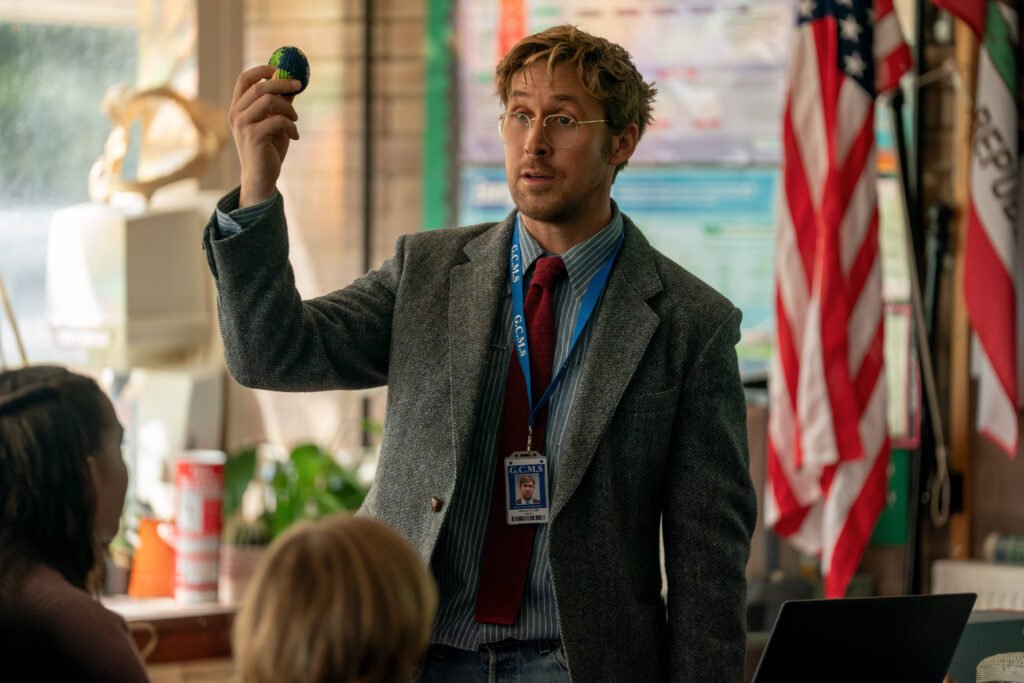
The core theme centers on cooperation between species. The narrative brings out survival through cooperation. This theme forms the crux of Andy Weir’s Project Hail Mary.
The film maintains this theme throughout its run time. It depicts intellectuality as collaborative problem solving. The narrative does not center on conflict but communication and trust-building. There are two beings working towards a common goal. This makes the film emotionally deep and optimistic.
Another theme that the film captures is the sense of isolation in space. This is seen from how lonely Ryland Grace feels during his time in space. Visuals are used to convey this emotion in the narrative. Science plays an important role in character development.
Ryan Gosling Performance
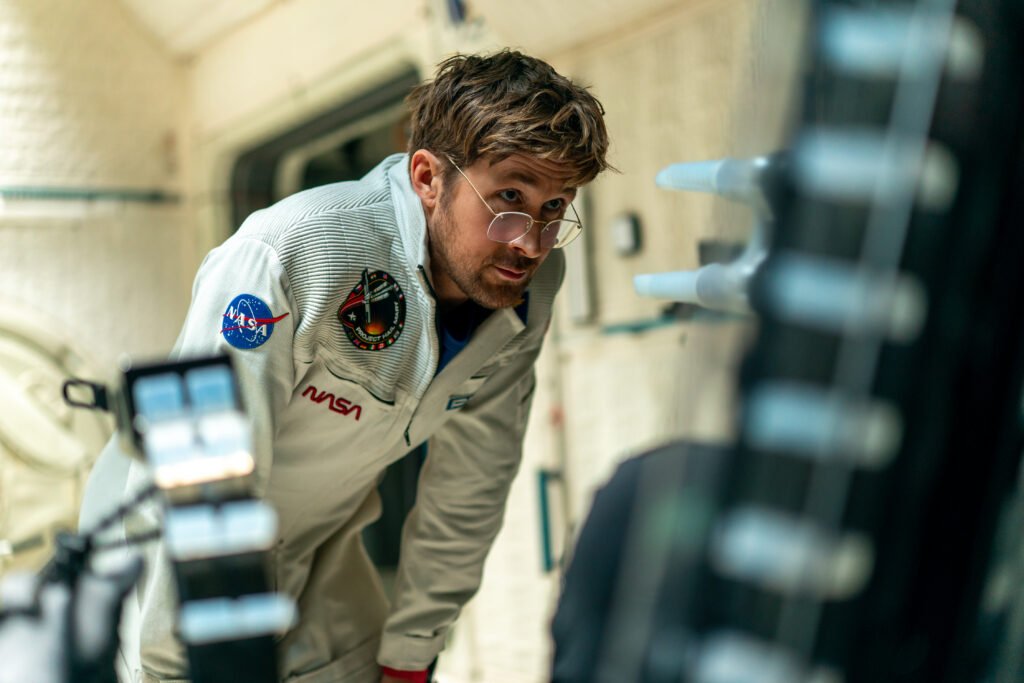
Photo credit: Jonathan Olley
© 2026 Amazon Content Services LLC./Sony Pictures All Rights Reserved.
In my opinion, Ryan Gosling is the whole movie. His performance in his role as Ryland Grace is understated. Also, he incorporates small reactions and emotion that is quiet.
Acting for the part involves great internal acting. He will be on screen much of the time alone and he will convey his thoughts through expression.
He portrays fear and intelligence in equal measures and confusion and discovery.
He creates an emotional bond even without interacting directly with another person. The way he reacts helps the audience interpret his actions. This gives the relationship a sense of reality.
The design of the film ensures that the camera focuses on him. This adds more pressure to his acting.
Supporting Cast
The supporting cast plays a limited but important role. Sandra Hüller plays Stratt with strong intensity. She represents authority and global decision-making.
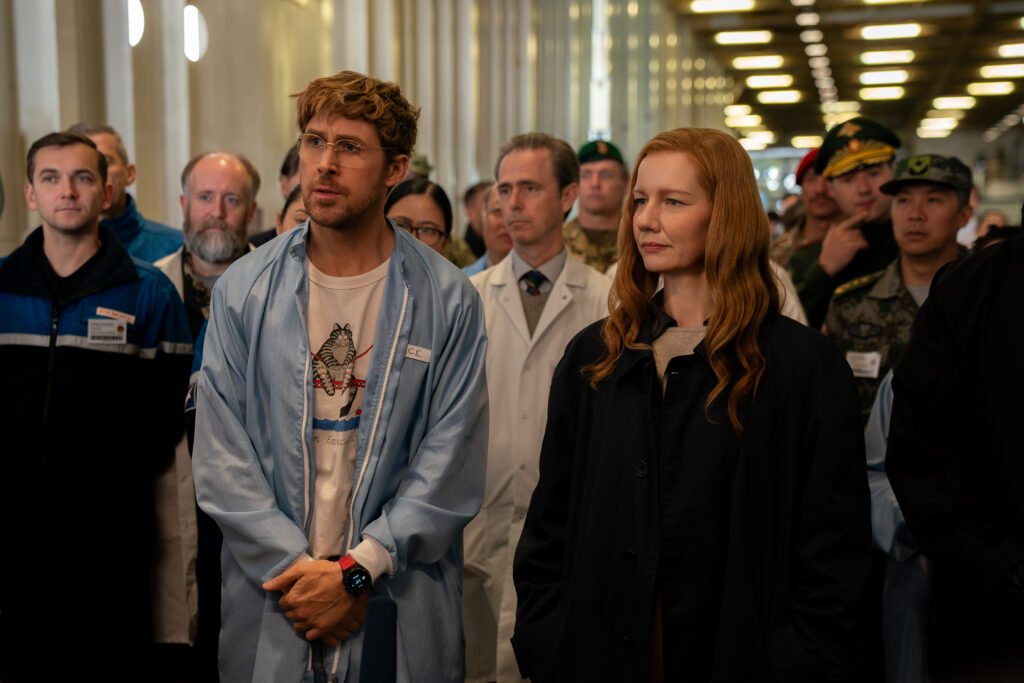
Photo credit: Jonathan Olley
© 2026 Amazon Content Services LLC/ Sony Pictures. All Rights Reserved.
For me sometimes the supporting characters feel underused. They mainly appear in flashbacks or short scenes. They do not receive full narrative arcs.
This approach keeps focus on Ryland Grace. It strengthens the isolation theme. It also maintains narrative simplicity.
However, more screen time could increase Earth-based emotional stakes. It could also deepen the global perspective.
The film prioritizes structure over ensemble storytelling. Supporting roles function more as thematic symbols.

Photo credit: Jonathan Olley
© 2026 Amazon Content Services LLC. All Rights Reserved.
What Worked and What Did Not
What seemed to work well was the narrative. This movie had a consistent narrative all along. For example, there was good visual effects and excellent acting.
There were very interesting visuals that brought about feelings of wonder. For example, there was an exciting science-based narrative. Hence, the theme of cooperation was effective.
The entire movie depended on the excellent performance by Ryan Gosling. Also, he added emotional realism to the whole plot. Therefore, the central relationship was believable.
Narrative limitation is one element that could have been better. There was no development of the supporting cast, and this leaves earth-side story telling flat emotionally.
The scientific elements have been oversimplified in some cases from the novel. This makes the problem-solving moments somewhat less meaningful to watch although slow-paced. Ho
Overall Opinion
The movie Project Hail Mary is an excellent science fiction movie. The movie succeeds because of concentration and immersion. The movie does not include any form of unnecessary complication.
The movie concentrates on providing an experience rather than the magnitude of storytelling. The movie provides a visual and emotional experience.
The emotional essence is provided by Ryan Gosling. The filming helps create an immersive movie. The scientific aspects are easy to understand and interesting to learn about. But It does have some flaws.
Nevertheless, It offers the viewer a truly unforgettable viewing experience. As far as It is concerned, it needs to be watched in IMAX.