Power Ballad Review: Music, Dreams, And Disappointment
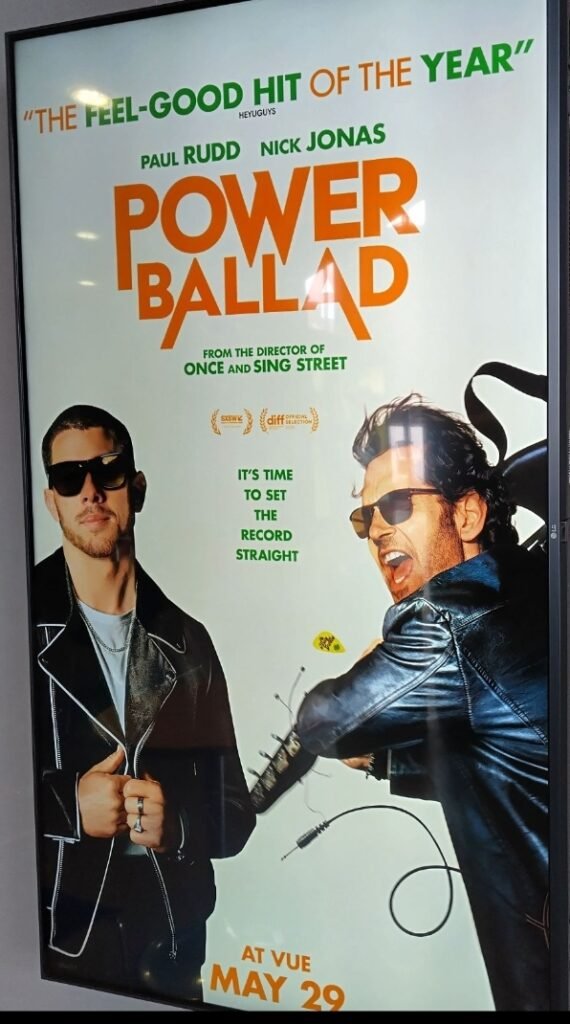
Power Ballad Movie Review: Introduction
Music movies tend to depict tales of success and rise of stars. Power Ballad chooses a different path. As opposed to the traditional depiction of fame, the film highlights disappointment, missed opportunities, and frustration. Under the direction of John Carney, the plot of the movie features average musicians. Their experiences appear real instead of glamorous. Thus, the film appears more down-to-earth compared to other recent music movies.
Basically, Power Ballad delves into the issue of how ambitions meet reality. Problems of ownership, acknowledgment, and remorse drive the plot. In contrast to other musical films, the choice to express emotions through music instead of using it as a visual phenomenon makes the story intimate.
Solid acting skills of Paul Rudd and Nick Jonas keep viewers engaged. Also, Yaron Orbach’s camera work contributes to the realism of the film. Nonetheless, the slow pace and subtle nature of the movie may make some viewers disappointed. Nevertheless, the picture appears highly emotional.
Story and Narrative Development
Central to this tale is the examination of artistic ambitions and wasted chances. The conflicts revolve around who ultimately owns their creative work. This is the central theme that gives the story an emotional appeal. In place of a focus on celebrity, the story focuses on personal sacrifices.
Consequences of creativity abound in this story. There is a frequent clash between ambition and happiness in characters’ lives. These make the story emotionally resonant. No one is good or bad in this story. Everyone’s motives appear complicated and personal. This gives the story a higher level of emotional engagement. The audience understands all sides of the conflict presented. This adds realism to the story.
Sometimes, the pace of storytelling gets uneven. While some of the emotional scenes get highlighted in detail, other parts seem rushed without proper development. This affects character growth at times. Sometimes a decision comes across as rushed due to lack of development.
The movie also takes some time to create an atmosphere. The atmosphere makes the film immersive. However, there are instances when the pacing slows down. This may make viewers who expect fast-paced action impatient. Despite this, these slow moments also aid theme development. It depends on what the viewers are expecting.
Overall, the plot is very emotionally compelling. The best parts of the story are character scenes. Themes remain consistent throughout the movie. Consistency is key to keeping viewers engaged.
Themes and Emotional Depth

However, ambition remains one of the core themes in the movie. People compare their aspirations to reality quite often. It defines many emotional conflicts in the movie. Success is never shown as easy and glamorous.
The issue of artistic possession is also evident. There are many issues regarding creativity in the movie. The question of who should be credited becomes more complicated. The absence of ready-made solutions makes emotions stronger.
Lastly, regret is another crucial element of the movie. People reflect upon their previous decisions very often. They are influenced by what could have been done. Emotional conflicts are inevitable.
Identity also connects closely with music. Characters express themselves through performances. Music becomes emotional communication rather than entertainment. Songs reveal insecurities and frustrations. This approach strengthens character development.
These themes work because they feel human. The film rarely becomes overly sentimental. Instead, emotions remain grounded and believable. That restraint makes important moments stronger.
John Carney’s Directorial Decisions
John Carney also continues to use music to convey emotions. Songs are seldom just entertainment. Rather, the performance expresses inner turmoil. This choice helps develop more emotion in the viewer.
The director also pays attention to commonplace locales. Wedding halls are transformed into places of great emotion. Rehearsal rooms are also given equal weight visually. These locations serve to make the film more realistic.
Music scenes do not include too much spectacle. Intimacy is preferred over spectacular performances by Carney. This technique is appropriate for the theme of the film. Characters seem real people trying to accomplish something.
He does not resort to obvious conflicts. The characters can be empathized with in the story. They never emerge as absolute heroes or villains. This balance works very well to engage emotionally.
At times, however, his restraint can affect the drama. Some scenes could have been more intense. More tension would make some scenes even more emotional. Nevertheless, the restrained way suits the film perfectly.
The director focuses on making the film authentic in all ways. Authenticity turns out to be one of the main virtues of the film.
Cinematography by Yaron Orbach
Orbach’s cinematography is a very intimate one. It encourages the sense of emotional intimacy. The camera moves quite close to the characters. It leads to better emotional involvement.
Musical performance scenes seem intimate, rather than fancy. Music sounds authentic. These decisions help emphasize key themes. Dreams seem attainable but also vulnerable.
Ordinary places are considered important enough. Wedding locations acquire significance through framing. Smaller locations become more emotionally important. This can be seen as a way of perceiving things like characters do.
Natural lighting is used in order to achieve realism. The visual style does not seem too artificial. Instead, it aims at being authentic. This decision works well in connection with Carney’s directing.
On the other hand, the restraint in visuals may not appeal to some people. In musical movies, one may expect some spectacle. Sometimes,.visuals can become less exciting as a result of such decisions. Still, there is more emotional truth in this film because of this.
In general, Orbach’s cinematography works for the sake of character-focused storytelling.
Performances
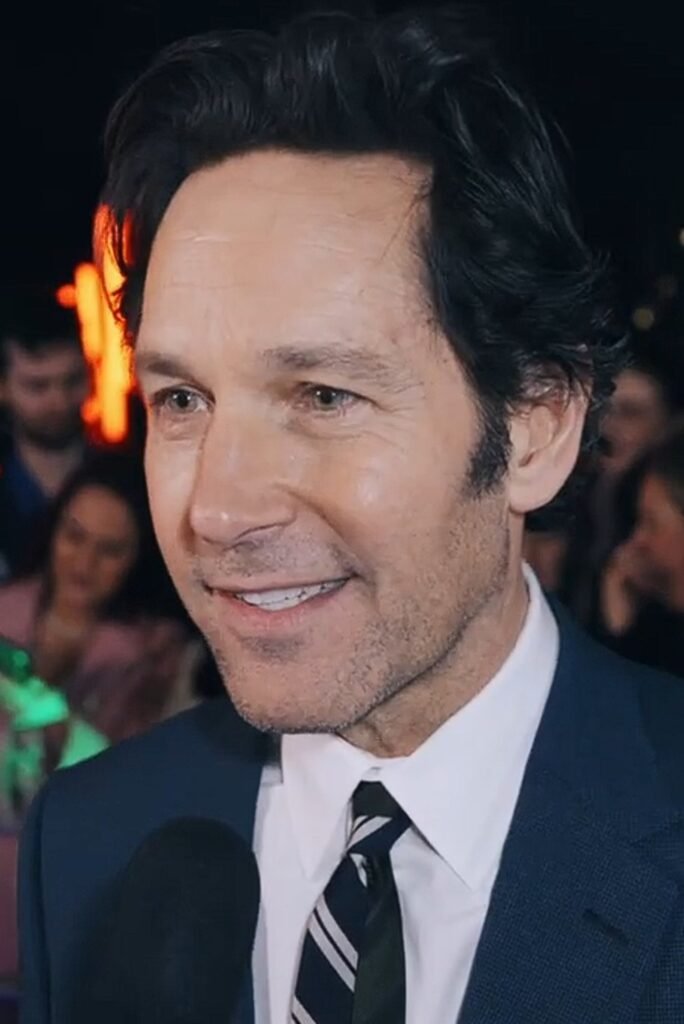
The performances continue to be key to the film’s success. One performance that stands out is that of Paul Rudd. He combines comedy with emotional fragility. Frustration is conveyed realistically by him.
Paul Rudd does not overdo his disappointment. In fact, his performance makes his character very real to us. It is in these subtle performances of his that his strength lies.

Nick Jonas brings contrasting energy.
His confidence suits the role naturally.
He handles performance scenes comfortably. Musical moments feel authentic because of this confidence.
Jonas also adds emotional complexity. His character never feels one-dimensional. Moments of insecurity create depth. That depth improves audience connection.
Their chemistry drives the film, and the conflict between them feels genuine. Humour and emotional moments emerge naturally from their interactions too. However, the supporting performances get less development, making some secondary characters feel underused. This slight weakness doesn’t boost the emotional impact as much as it could, but still, the main actors do an awesome job and keep the audience hooked throughout.
What Worked
Emotional honesty stands out right away. Characters seem flawed and relatable, and their struggles never feel fake.
The music works well too, supporting the story without getting in the way. This keeps the emotions consistent throughout.
The performances are a big win as well. The actors’ chemistry really sells their relationships and makes dramatic scenes more convincing.
The themes are also pretty thoughtful and feel universal. Questions about ambition come up that many viewers will recognize.
The direction and cinematography work together nicely too. They focus on being authentic instead of showy, which helps keep you immersed in the story.
What Didn’t Work
Pacing becomes inconsistent at times. Certain sections move slowly. Momentum occasionally disappears. Some emotional arcs feel underdeveloped. Supporting characters need more attention. Additional development would improve narrative depth.
The restrained style may disappoint some audiences. Visual energy remains intentionally limited. Not everyone will appreciate this approach.
Certain conflicts resolve quickly. These moments reduce emotional payoff slightly. More exploration could strengthen resolution. Despite these issues, weaknesses rarely overshadow strengths. Most problems remain relatively minor.
Final Verdict
Power Ballad works because it values emotional truth over anything else. It focuses on its characters rather than grand spectacle. This decision guides all creative choices.
John Carney directs another intimate music story, while Yaron Orbach’s visuals complement this vision perfectly. Plus, Paul Rudd and Nick Jonas give really compelling performances.
That said, the film sometimes drags a bit. Some plot moves feel out of place, and let’s face it, the supporting characters could’ve used more screen time. Still, its strong themes of ambition, regret, and creativity keep things interesting.
At heart, this movie sticks to what works – raw emotion. So, folks who want something flashy might leave disappointed. Yet those looking for genuine storytelling won’t be let down.
All in all, Power Ballad feels like a sincere project. Sure, it has flaws, but its heartfelt sincerity is undeniable and stays with you long after.