
The History Of Sound Film Review
Introduction
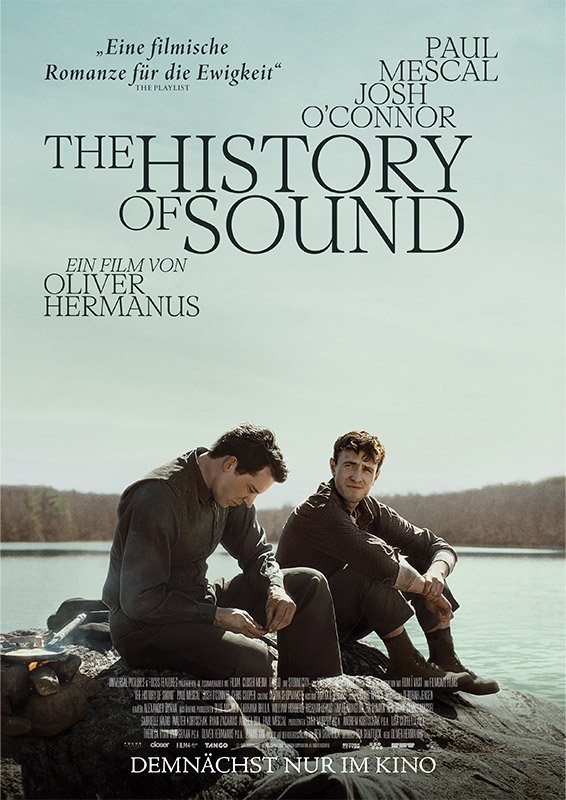
The Film Review of The History of Sound is an introspective and emotionally subdued film. This is a thoughtful and introspective period romance that comes packed with many interesting themes. It has been directed by Oliver Hermanus while its screenplay is based on the short fiction penned by Ben Shattuck.
The plot revolves around two characters who share music, memories, and yearnings for each other. The movie opens at a music conservatory back in 1917. From there, the action shifts to America after the end of the war. It stretches into post-war America, where there is great cultural and individual change. The movie puts more emphasis on mood and feeling than on plot. This is how the movie gets its strength and weaknesses.
Direction and Artistic Vision

Oliver Hermanus approaches directing in a restrained and intimate manner. As an approach to filmmaking, he avoids melodrama. Rather than relying on melodrama, his film emphasizes emotional subtlety.
In this movie, silence means more than words. Movements and looks convey what words cannot say. A feeling of realistic emotions and quiet tension is thereby conveyed. It is more reflective than narrative-driven or rushed. Scenes are developed slowly for emotional engagement.
In fact, the film seems to be recalling a memory. It contributes greatly to the reflective mood of the movie. On the negative side, it may slow down the narrative pace. Feeling is valued more than explaining anything.
Cinematography and Visual Language
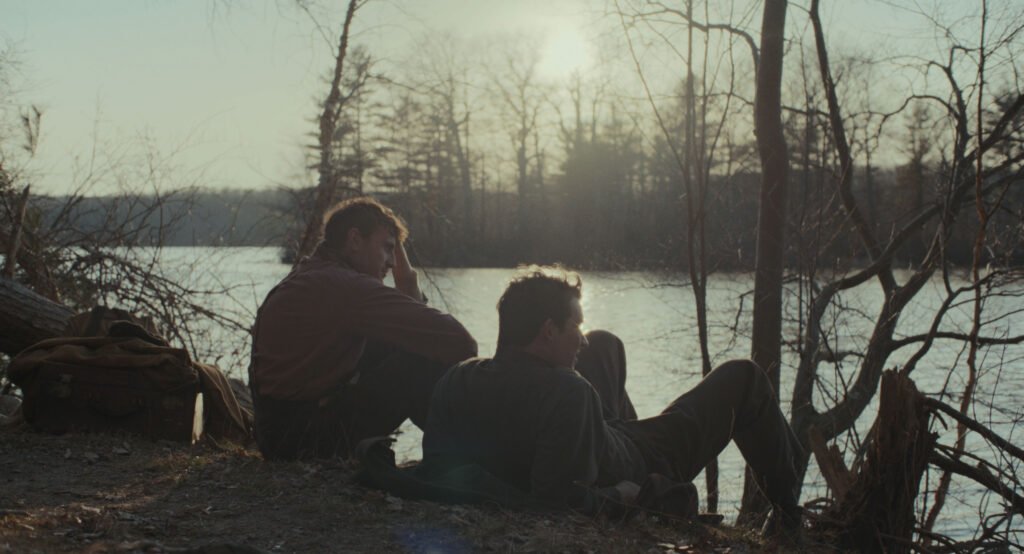
The work of Alexander Dynan, the cinematographer, plays a crucial role for the success of the film. The visual technique combines realism with painterly framing. Landscapes on one hand, and close-ups of characters, on the other. It contributes to the ideas of isolation and relationship between people.
Snow-covered areas serve as a background of calm contemplation. The use of soft lighting adds to the timelessness of the shots. They appear to be carefully framed but still emotionally true. Often, the camera focuses on silence and detailed observations.
It makes it easier for spectators to see emotional nuances. It helps to create the contemplative atmosphere of the film. Moreover, it contributes to the idea of historical reminiscence.
Sound Design and Musical Identity
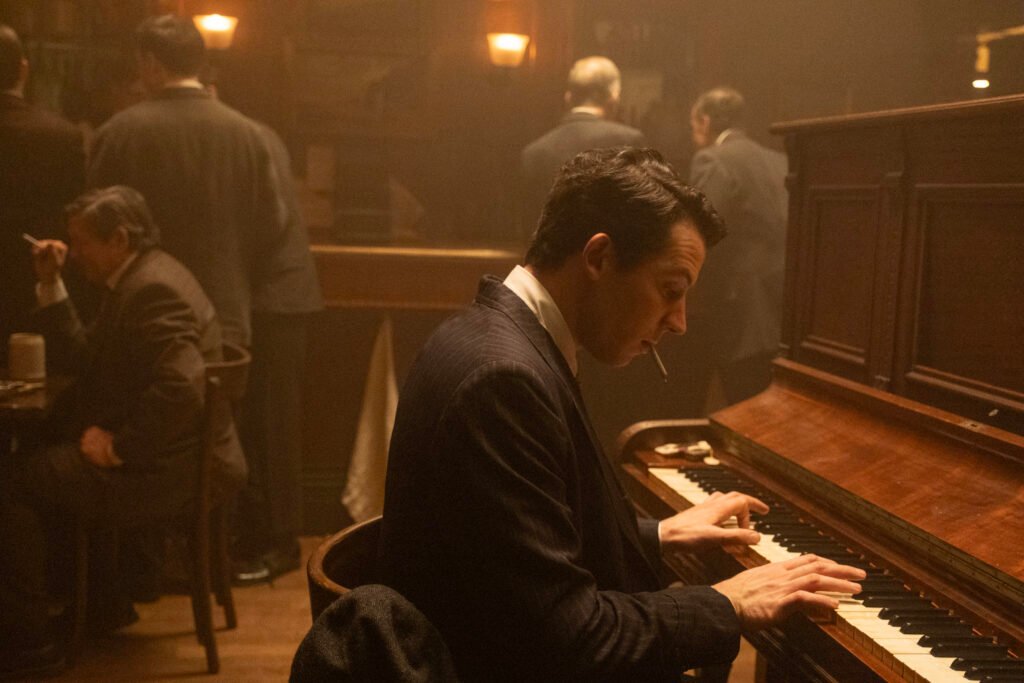
The use of sound is central to emotions in the film. Music can serve as both theme and narrative technique. Folk music symbolizes heritage and human life experiences. The process of recording acts as a symbolic tool.
Environmental sounds are incorporated in all sequences of the movie. Sounds such as footsteps, snow, and winds are highlighted. Such sounds enhance realism and provide a sense of immersion.
The background music is used sparingly and effectively. It does not dominate scenes of dialogue and visual storytelling. It enhances emotional significance without becoming overpowering. Even the element of silence is used effectively here
Story and Central Themes

The storyline revolves around Lionel and David’s development of a strong bond. The friendship is built on their passion for folk music. They venture through rural areas recording folklore songs. The plot can therefore be said to represent a journey in search of meaning and emotion.
Memory is seen as both fragile and very human in the movie. Sound, on the other hand, is explored in terms of its capacity to keep an identity alive. There are many elements of romance alongside that of culture preservation.
Queer love amidst oppression during those times is another theme. These themes are interconnected making the theme structure complex. The film tends to leave some room for speculation about its plot. This creates both ambiguity and texture within the narrative. The audience is left to find their meaning in it.
Emotional Themes and Interpretation
The movie is essentially about memory and loss. The movie portrays sound as an entity that retains emotions. Love is shown as something delicate and fleeting. Identity of queer people is portrayed by history. There is no direct politics involved in the movie.
Rather, the movie concentrates on emotion and understatement. In doing so, it gives a personal note to the story. Often, the topics overlap, and there is no distinction made. Thus, this contributes to both depth and ambiguity. The film inspires the viewer to interpret.
Midpoint Challenges and Structural Issues
The midpoint is the most inconsistent part of the film. There is less consistency in the plot during the midpoint. The film moves from one aspect to another. It involves themes related to romance and culture. This leads to fragmented storytelling in the movie.
Some concepts appear briefly without much exploration. This involves queer identity as well as history. The music journey is also somewhat unclear during this point. There seems to be confusion about the plot direction. But the emotional basis is maintained through the film. This ensures that the acting keeps viewers interested.
Performances and Character Work
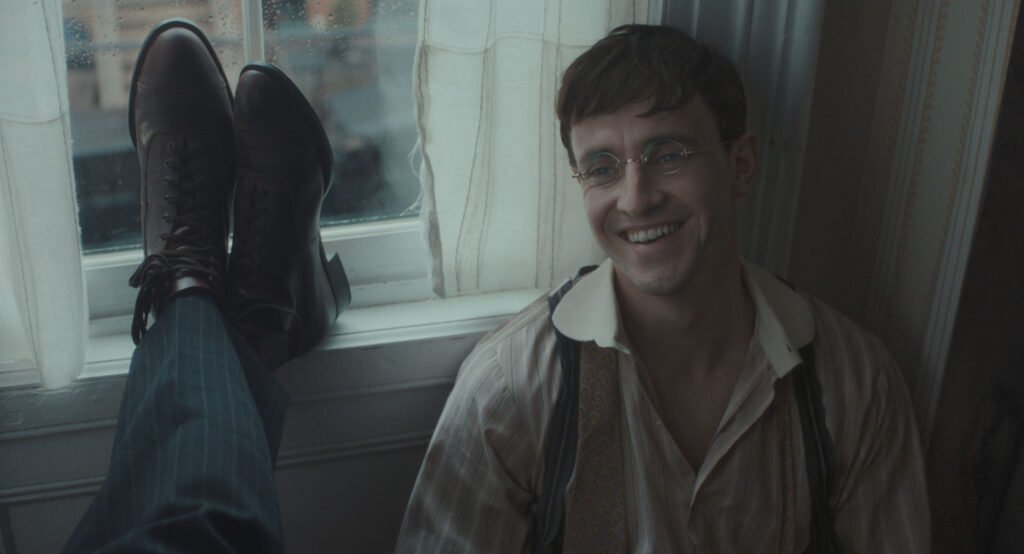
Paul Mescal gives an understated performance. Emotion comes through his physical expression and his silences. His character is very much an introspective one, with emotion kept inside him at all times. Paul Mescal is particularly good at conveying feelings of longing and not knowing what one wants. His performance fits well with the mood of the film as a whole.
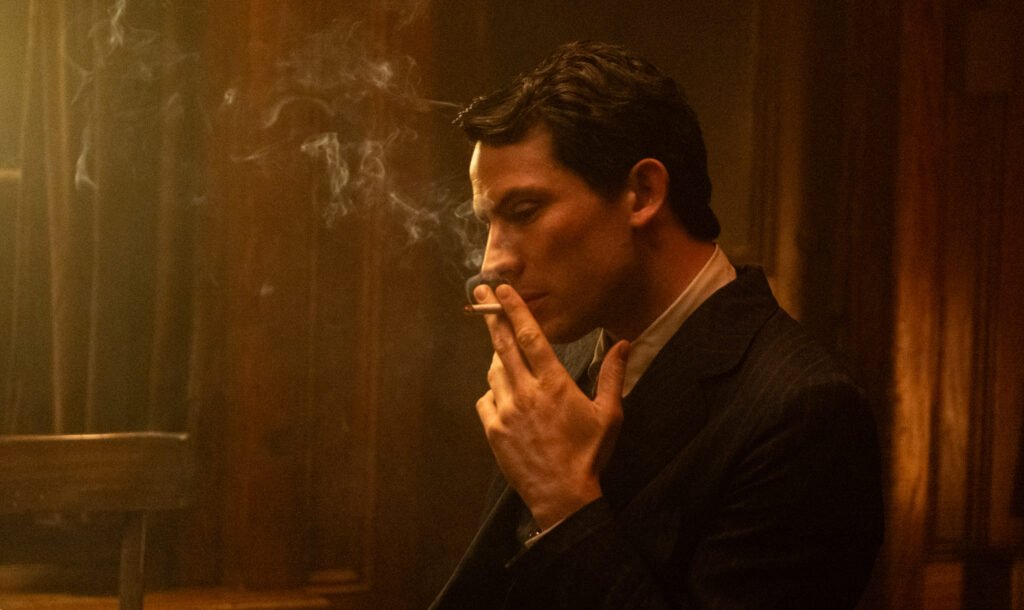
In contrast to Paul Mescal, Josh O’Connor’s performance is more overtly emotional. Josh O’Connor’s performances have warmth and charisma. Josh O’Connor has a vulnerable side to his character too, which comes through beneath his outward confidence.
It’s their performances that make their characters into emotionally complex characters. The relationship between the two actors works really well.
What Works Well
The most notable aspect of the movie is its mood. Performances bring even the simplest of stories to life. Cinematography makes one experience the movie with their eyes.
The sound design adds to the emotional impact of the story. The movie does well in evoking emotions. It is intellectually stimulating due to its themes. The movie leaves viewers feeling content due to its end. It manages to connect all three aspects of its plot well.
What Does Not Work as Strongly
There are times when the movie lacks narrative focus. Various themes vie for prominence in the storyline. The climax falters in its structure and pacing. There are themes that could have been explored more fully.
There are moments when the pacing may be too slow. There is an unevenness in the treatment of the themes. These become periods of both narrative and emotional dilution. There are instances where the mood overwhelms the plot progression.
Overall Verdict
As seen in the movie review for The History of Sound, the film is characterized by contradictions. In essence, it is a powerful and inconsistent movie. While being inconsistent in storytelling, it is very touching.
The acting in the film is commendable.
The quality of both sound and visuals in the film is outstanding. The pace and structure of the film could be challenging for some. The emotional honesty in the film is evident in all aspects.
In essence, it is a film that works well when reflecting. It is an emotional piece of art that requires time to watch. It creates lasting impressions on its audience. It leaves a lot of questions answered. Overall, it is a deep piece of cinema.