Disclosure Day Movie Review

Introduction
Disclosure Day is a science-fiction thriller movie directed by Steven Spielberg. Spielberg again goes back to his favorite themes such as alien contact and revelations. The screenplay was written by David Koepp with a story by Spielberg.

Among those starring in the movie are Emily Blunt and Josh O’Connor. The movie from its very first scene seems to be both ambitious and contemplative. It attempts to make a combination of spectacle and profound philosophy. Unfortunately, the end result turns out to be far from perfect. This review will explore both strong and weak points of the movie.
The fact that Spielberg turns to sci-fi naturally builds anticipation among viewers. He has defined the genre with his previous movies. This is why every next project comes under great pressure.
“Disclosure Day” attempts to achieve a balance between nostalgia and contemporary issues. The movie touches on themes of truth, secrecy, and the state of humanity as a whole. At the same time, it lacks consistency in developing its themes.
Spielberg’s Direction and Creative Intent
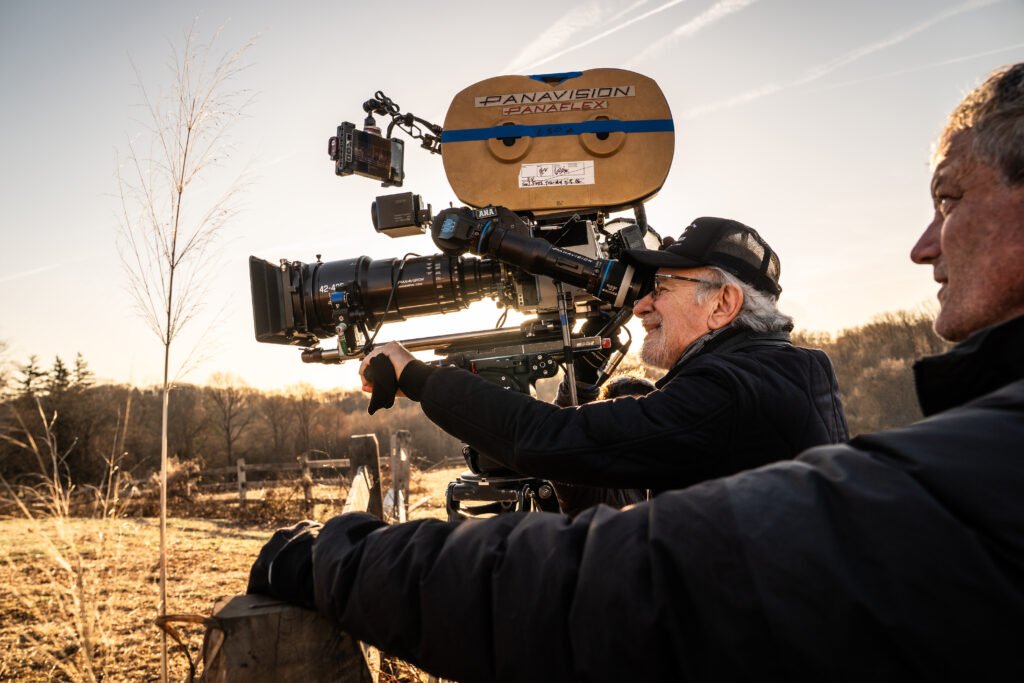
The direction of Steven Spielberg still ranks among the best aspects of the film. His focus on narrative emotion over visual spectacle persists. The scenes are often held on human reactions instead of action. A personal feel can be drawn from the larger-than-life situations. The viewer is taken through man’s reaction to strange occurrences
Nevertheless, the control Spielberg maintains during the film’s shooting is evident all the way through. Every shot is carefully thought out; there is never a sense of coercion or manipulation. There is also an effective balance struck by the filmmaker between moments of silence and rising tension. At times, this balance does not seem as even as it could be.
In general, the film represents one of Spielberg’s most cherished themes. The director is fascinated with the idea of exploring the mysterious and unknown. Indeed, this strategy proves to work successfully on several occasions. Unfortunately, at times it makes the whole story too slow for the viewer.

Spielberg also shows control in managing set pieces. He does not overuse continuous spectacles. He creates suspense through expectation and viewpoint. It works effectively if there is a good narrative force behind it. But poor story segments weaken its impact.
Cinematography and Visual Language

Janusz Kamiński’s cinematography is an important element of the film. His style of work is always recognizable and very expressive. Lighting is usually bright and contrasts strongly. This gives a surreal aura to most scenes.
The film makes ample use of the contrast between scale and intimacy in the composition. Wide shots stress human vulnerability in expansive surroundings. Close-ups express emotional subtlety during times of uncertainty. This dichotomy plays into the themes at the heart of the film.
The lighting techniques used by Kamiński greatly affect the film’s atmosphere. The scenes seem bathed in either bright or dark lighting. Thus, the audience feels an ambiguity and visual imbalance.
It fits well with the theme of uncertainty and revelation.
The filming technique adds to the restraint present in the narration. The story is told visually rather than through exposition and speech. The meaning lies in the way things are presented to the eye.
Therefore, immersion is increased even when the plot slows down.
At the same time, the stylistic choices may hinder the narrative in some ways. Some scenes are more focused on creating the right atmosphere. It causes an inconsistency in the visual language. Still, the visual execution is very commendable throughout.
Visual Effects and Technical Execution
Visual effects in Disclosure Day are effectively incorporated. They have been done in such a way as to supplement but not overshadow the story. This is in line with Spielberg’s philosophy of filmmaking all along.
Effects have been used sparingly during critical revelations. This makes them more significant in relation to the storyline. They do not overuse digital effects throughout the film.
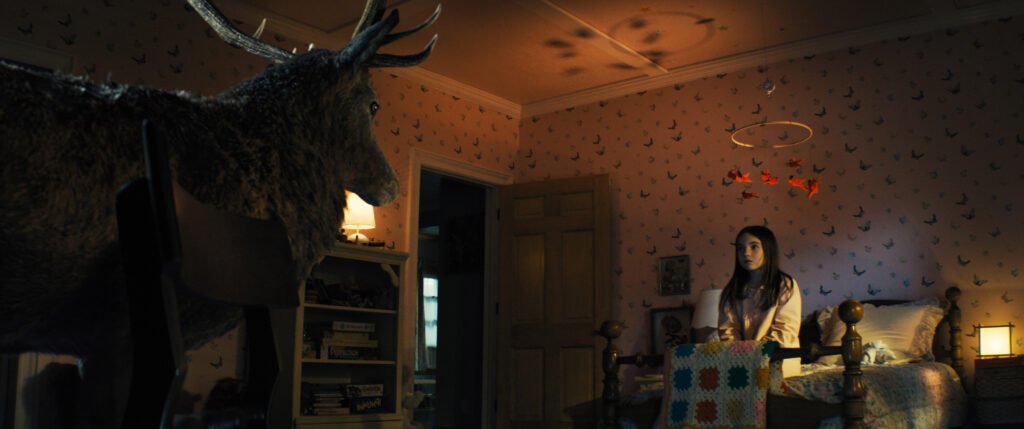
Integration of the traditional and digital methods occurs seamlessly for the most part. Environmental details add realism to scenes that are already very complex. Atmospheric effects serve to create tension and mood.
Nevertheless, not all effects sequences are of equal impact. There are some sequences where the visual novelty of the effects idea is absent. Some of the sequences appear to be functional, rather than impressive.
Nonetheless, the technical aspects of creating these effects are still good. The effects help create an immersive visual experience without being too distracting.
Themes and Narrative Ambition
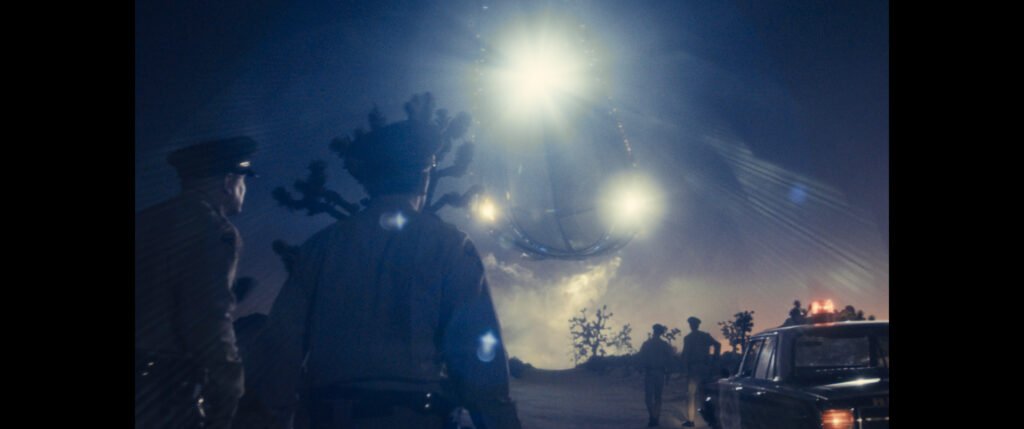
Central to the movie is the concept of truth and belief systems. It questions how society reacts to a sudden information change. This appears very pertinent in an age of information.
The other major theme is that of secrecy and control. How would information be handled in times of uncertainty? This theme offers a solid grounding for the film.
There seems to be some inconsistency with regard to the use of themes. The movie poses many queries but does not fully develop them. Some theme ideas are introduced and dropped abruptly.
There is definitely a lack of continuity between idea and exploration. The movie hints at something deeper, but fails to go there. That leaves an impression of missed opportunities in terms of narrative.
The film also suffers from a lack of coherence. Various plot lines are used to develop the main narrative line. Some of them are left half done or under-developed.
This undermines the consistency of the overall plot line. In other words, thematic aspects become somewhat inconsistent. They are clearly stated early in the narrative process, but are never fully developed later on.
Moreover, the pacing of the movie impacts its thematic aspects. Slow pace makes the narrative less urgent or dramatic. Repetitive scenes bring back themes already mentioned in the movie.
Performances and Character Work
One of the strongest assets in the film is its ensemble cast. Although there may be moments when the screenplay fails to allocate the same amount of attention to each plot, the performances in the film never fail to bring believability to their storylines and maintain audience interest.

One of the best performances in the movie can be observed from Emily Blunt as Margaret. Blunt adds an air of intelligence in portraying her role while succeeding in managing both Margaret’s vulnerability and determination. Several major emotional developments occur within the movie involving Margaret, but Emily Blunt portrays these with subtlety instead of dramatic emotions.
The truth behind the performance by Emily Blunt lies in the fact that she avoids exaggerating anything in Margaret’s experience. Rather, she uses small gestures and actions that convey the character’s emotional turmoil inside her. Her performance adds an air of reality to an otherwise fantastical storyline of the movie. Even if the story becomes somewhat irrelevant in some parts, Blunt manages to make her character interesting enough for the viewers.

Josh O’Connor once again showcases his versatility, having been known for playing diverse roles. In the role of Daniel, Josh O’Connor gives us another strong performance which showcases his intelligence, integrity, and warmth. Josh O’Connor has this innate ability to make viewers empathize with the characters he plays and this can clearly be seen in this film.
It is fair to say that Daniel is one of the most likeable characters and this is in large part due to the appealing presence of Josh O’Connor. His performance is realistic and successfully shows the uncertainty, curiosity, and determination of Daniel. The thing that stands out about his performance in particular is the fact that he remains so subdued.
This adds even more power to his acting and makes his character’s story even stronger. O’Connor’s chemistry with other actors helps him solidify his relationships with some key characters in the film.
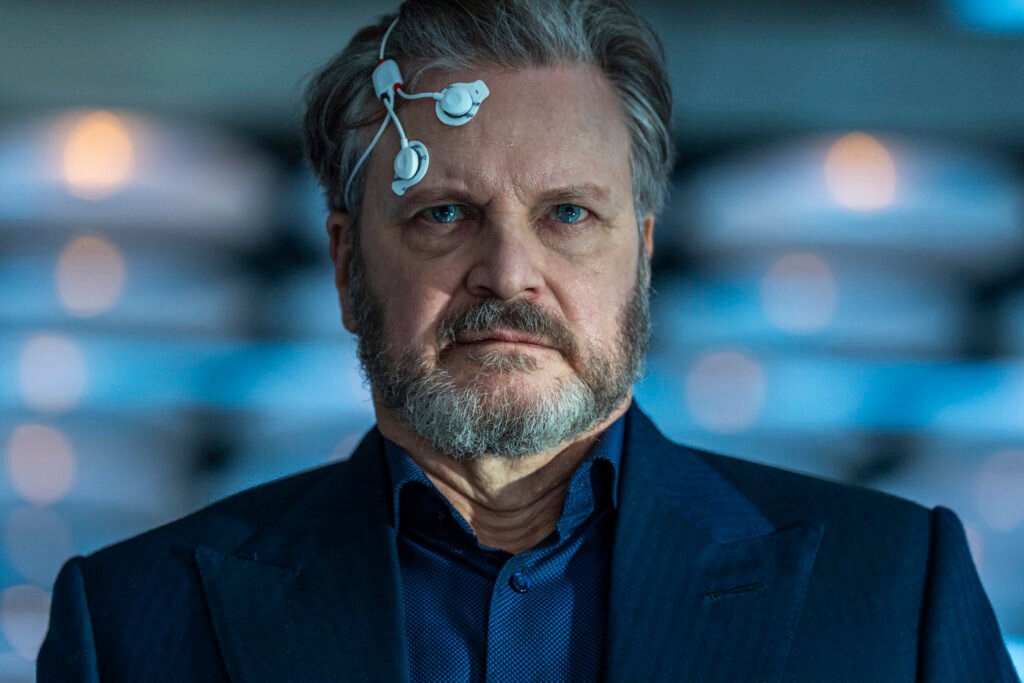
One of the surprises offered by the film is that of Colin Firth as the villain of the story. Firth usually portrays characters who are elegant and likeable as well as honorable and reliable. As a result, his choice for this movie becomes interesting in itself.
The director avoids using a classic portrayal of the villain and opts for a more subtle character. Many of the most memorable moments delivered by the actor come as a result of quiet assurance and cool confidence. The subtlety of the performance adds an element of fear and terror, which is achieved by the intelligent approach to playing.
Firth understands that there is power in silence, and sometimes the biggest threats can be those that go unnoticed. It is great to see how versatile and talented the actor is.
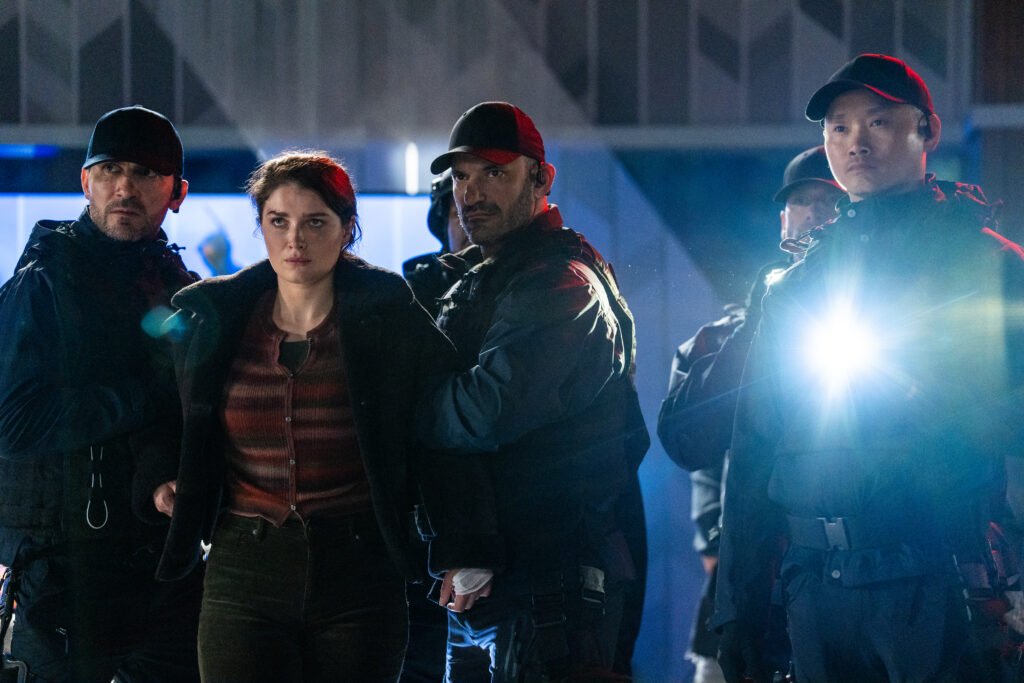
Eve Hewson adds immensely to the movie and brings warmth to her acting. While her character does not get as much spotlight as others in the film, Hewson makes sure that any time she appears in the film, it is highly effective.
The actress plays an important role in shaping the dynamics of the characters involved in the narrative while ensuring that the interpersonal connections in the movie remain strong. Scenes involving Josh O’Connor work especially well as the chemistry between these two characters comes off as extremely convincing. She manages to make sure that her character is not simply used as a means for another character, adding sincerity and empathy in the process.

Once more, Colman Domingo shows why he has earned a place among the most reliable performers of our time. His character, Hugo, impresses viewers from the first second of his screen appearance. The actor combines two characteristics, which are not typical of one person – he conveys both his strength and his vulnerability.
It might have been easy for a less talented performer to ruin Hugo’s personality by overemphasizing one of its qualities, but Domingo does an impeccable job with that. The actor enhances everything he takes part in by his charisma and intensity. He perfectly understands the degree of intensity necessary for each particular scene. His acting never becomes too strong because everything he does looks natural and thought-out.
In combination, all members of the cast contribute most of the emotional drive which the screenplay is missing from time to time. Whereas the plot does not always succeed at bringing its visionary ideas into fruition, the acting performance continues to impress and engage. In particular, each individual is able to create his/her own unique image of the character, which helps lift the level of the movie above and beyond any flaws in the script.
What Works in the Film
The two most impressive aspects of Disclosure Day are its technical and performance-related attributes. Directing, cinematography, and acting never fail to keep the viewer hooked. Additionally, it does an excellent job establishing an atmosphere.
The filmmaking language used is extremely rich. Most scenes manage to evoke emotions despite their grandiose implications. There are clearly many ideas behind the narrative of the movie.
It includes numerous outstanding moments. These scenes prove Spielberg’s ability to tell great stories visually. In particular, he manages to control pacing and tone effectively.
Finally, there is a truly inspiring premise behind the film. It allows exploring philosophical questions and emotions related to them.
What Does Not Work
The major flaw is in narrative construction. The screenwriting doesn’t utilize the strongest aspects of itself. Multiple themes are established yet not thoroughly explored.
Pacing is another area where the movie falls short. The runtime drags on much more than necessary. Some scenes drag rather than advancing the story.
Another problem in terms of narrative construction is repetition. Concepts get repeated multiple times but without new developments. As a result, tension and urgency are missing from many parts. At times, the movie is structurally too ambitious for its own good.
Overall Verdict
“Disclosure Day” is a movie full of interesting concepts and a less than coherent execution. It succeeds in the area of visual storytelling and acting performance. It manages to keep a continuous atmosphere and tone as well.
But the problem with the film lies in the areas of pacing and coherence. Its theme is captivating, although the development is lacking. The plot suffers from being too structured at times.
There are certain expectations when watching this movie based on the director. With Spielberg involved, there is naturally an increased standard for this work. Thus, any weaknesses are much more noticeable to its viewers.
The result is an engaging film that falls a bit short. The movie does manage to display some intelligence and professionalism. But it fails to develop a strong and continuous storyline.