Animal Farm: A Cautionary Tail 2025 Movie Review
Introduction
Animal Farm by George Orwell is an important piece of political literature. Written in 1945, this novel has retained its appeal even after all these years.
Its central ideas of power, corruption, discrimination, and manipulation are more valid today than ever before. While its characters are animals, their symbolism speaks volumes about society and leadership.
It is due to this reason that adapting the novel Animal Farm has always been a challenging task. There have been two major adaptations of the novel until its 2025 version.
The first one was the animated movie that came out in 1954. The directors of the movie were John Halas and Joy Batchelor. The other one was the live action version of 1999. It was directed by John Stephenson.
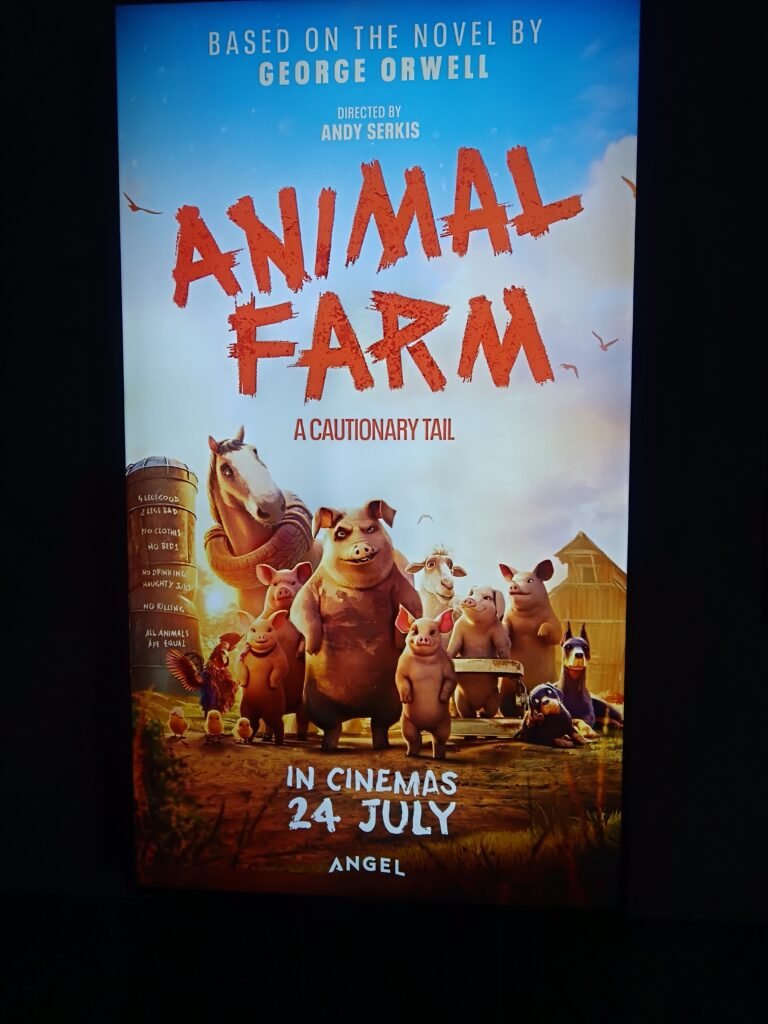
Director Andy Serkis and writer Nicholas Stoller have now attempted a new version. This film was named Animal Farm: A Cautionary Tail.
Unlike the previous films, this one follows another way of portraying the novella of George Orwell. There are several new characters, and the plot of the novella is altered.
This time the movie tells about a young piglet called Lucky. He becomes a main character of this coming-of-age tale.
Unlike the previous novella, there is a rather funny touch in the story. It includes comedy, emotions, and political issues.
However, creating an adaptation of such a highly regarded novel poses numerous difficulties. Many viewers know Animal Farm because of its darker themes. They remember its warnings about authoritarianism and the abuse of power.
Changing those elements creates questions about what can be removed before the message changes.
Animal Farm: A Cautionary Tail is therefore an interesting adaptation to examine. It is not simply a question of whether the film looks good. The bigger question is whether the changes strengthen Orwell’s ideas or weaken them.
Andy Serkis’ Directorial Approach
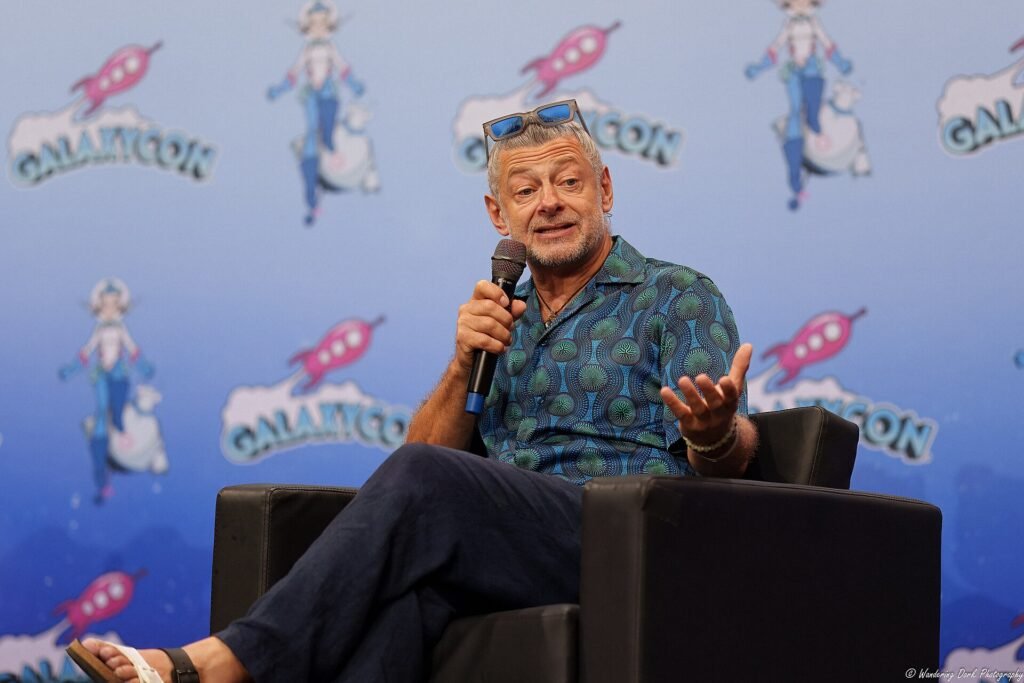
There were some challenges that Andy Serkis had to confront before he started working on the project.
First of all, he had to introduce a classical novel to a contemporary audience. In addition, he had to determine the degree to which the tone of the original book should be preserved. These aspects were essential for developing the identity of the whole movie.
Unlike a straightforward remake, Serkis decides to adapt the story into a more modern one. This adaptation develops the universe of the farm by introducing new experiences of the characters.
This helps the younger generation relate to the narrative better. The inclusion of Lucky provides the audience with a character that can be emotionally followed.
In other words, the audience experiences politics from a personal point of view rather than watching politics unfold.
The inclusion of Lucky also makes the film stylistically different from the original. The original story written by George Orwell is cold, satirical, and unpleasant.
The adaptation done by Serkis, however, is warm and optimistic. Humour is employed in the film as well.
However, these changes create a difficult balance. The original story uses darkness to make its message powerful. The cruelty and unfairness are important parts of the experience. Removing too much of that darkness can reduce the impact.
The political atmosphere at present also plays into the audiences’ perception of the film. Certain viewers may see a relation between the film and contemporary political issues, while some may simply consider it a modernized version of Orwell’s warnings.
It remains uncertain if Serkis did have political undertones in mind while making the film. Regardless, this results in debate as to whether the film represents our present world or is merely a modernizing of Orwell’s warnings.
Serkis uses several techniques to create his version of the story. These techniques include the blending of humor and serious undertones, the development of characters emotionally and the use of animation to enable the animals to portray their feelings more effectively.
However, while these techniques make the film accessible to audiences, they do not adhere to the brutality of the original message by Orwell.
Whether this is successful will depend on the expectations of audiences regarding an adaptation of Animal Farm.
Animation and Visual Style
One of the biggest distinctions between this film and its predecessors lies in its visual representation. Thanks to modern technologies of animation, the world created by the directors is much more detailed.
The animation benefits from advances in computer-generated imagery. Characters move naturally and show stronger emotions. Their facial expressions are more detailed. For me their body language helps communicate feelings clearly.
Such technologies make the characters more vivid and it becomes easier to see the emotions of the animals without explaining everything.
The visual style complements the lighter atmosphere of the movie as well. The colors are brighter and the characters appear friendlier. The environment is cozy and not scary.
On the other hand, there is a contrast between the dark concepts of the story and its bright visual side. Such a combination makes the story easier to present.
Nevertheless, the visual style also causes certain problems. I felt the brightly-colored style reduced the sense of threat that appears in the original story. In this way, the atmosphere of discomfort and tension can feel diminished.
The animation itself is quite impressive. This movie shows what modern technology can do. The characters are expressive and visual. Environments are also well designed.
For me however the problem is not whether the animation is good. The problem is that it does not match the content. Some audiences may like this style. Some audiences may find it too soft for the story.
All in all, animation is definitely one of the best things about this movie. It creates emotional connections between the viewer and characters.
Animation also allows the movie to get to its younger audience. Still, it also adds to the overall problem of balancing entertainment and Orwell’s message.
Themes and Story Changes
The biggest changes in the adaptation involve the themes and story structure. The novel by Orwell is a political allegory first of all. It studies the corruption of revolutions and the manipulation of leaders on other people.
The movie for 2025 has retained certain elements of that. The theme of power and inequality has remained, as well as the danger of control and lying. However, there has been more focus on friendship, hope, and self-discovery.
These changes have understandable reasons. In terms of the aims of the filmmakers, younger audiences may connect more easily with emotional character journeys. A completely faithful adaptation could feel too heavy for a family audience.
The problem is that Animal Farm has always been powerful because of its seriousness. The story does not have simplistic resolutions to any problem.
It offers a pessimistic outlook on how humans act. The end of the story leaves the audience frustrated and warned.
By making the story lighter, the adaptation changes the emotional experience. Some moments become less shocking.
Some ideas become less complex. The audience may understand the basic message without feeling its full impact.
The new plot lines fit in certain areas. The character of Lucky gives personal insight into the matter. The viewer can now understand the events much better because he or she now has a character to cheer for.
However, such elements may be a distraction for viewers that are aware of the original novel by George Orwell. Such elements shift the focus away from the problems of political systems to individual experiences.
In the case of people that are unaware of the original work of Orwell, the film is a great example of an animated tale full of interesting concepts.
In the case of viewers that are aware of the original novel, this adaptation may disappoint them as it takes away a number of aspects that made the original story so powerful.
This dilemma is the main feature of this adaptation as the idea behind it is very good but the process of adaptation is rather disputable.
Voice Performances
Voice Acting is among the best things about the movie. There are many talented actors in the movie. The list of actors includes Seth Rogen, Gaten Matarazzo, Steve Buscemi, Glenn Close, Laverne Cox, Kieran Culkin, Woody Harrelson, Jim Parsons, Andy Serkis, Kathleen Turner, and Iman Vellani.
The performer also contributes in bringing out personality in the characters. Voices provide humor, emotion, and individuality.
This is particularly crucial in animation since the performances help the audience relate to the animal characters.
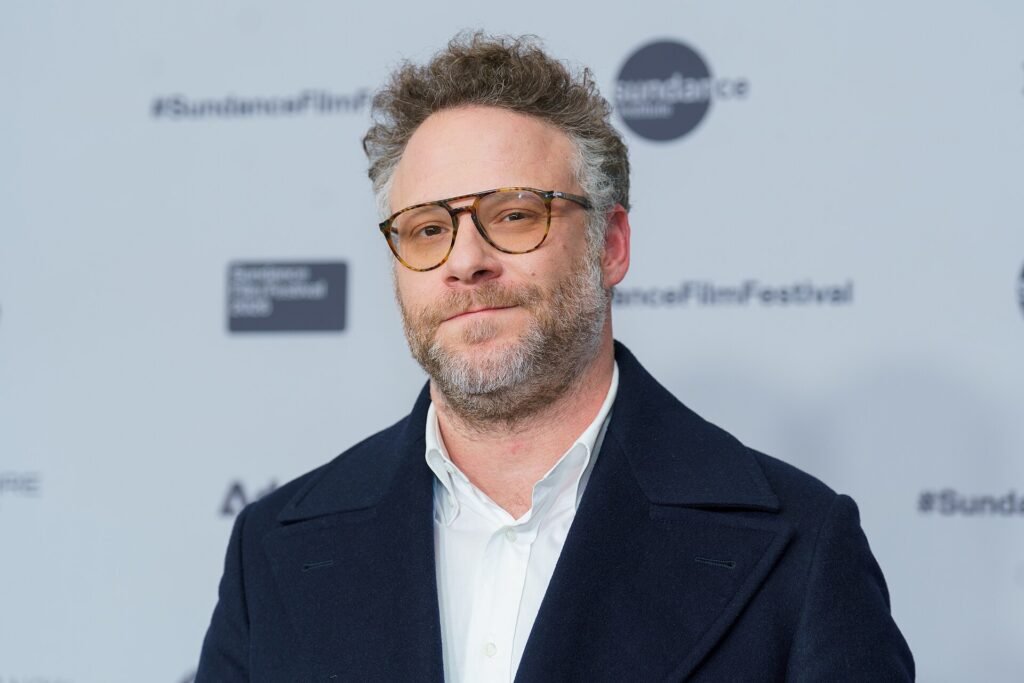
The portrayal of Napoleon by Seth Rogen in particular is extremely significant since this character is responsible for most of the film’s political content.
The actor manages to strike a balance between Napoleon’s commanding presence and the film’s overall comedic tone, presenting an authoritarian leader that is charming and funny at first but becomes more manipulative over time.
As such, the character ends up being rather interesting to watch despite not being quite as threatening as his equivalent from the novella due to the film’s family-friendly nature.

Gaten Matarazzo delivers a sincere and likeable performance as Lucky. For me this gave the new protagonist a sense of optimism and emotional vulnerability that makes him easy for younger audiences to relate to.
Veteran performers such as Glenn Close, Steve Buscemi, Woody Harrelson, and Kathleen Turner bring authority and experience to their roles, while Jim Parsons, Kieran Culkin, Laverne Cox, Iman Vellani, and Andy Serkis help maintain the balance between humour and drama throughout the film.
The actors deliver convincing performances, and the interplay among the characters adds to the animated expressiveness.
Nevertheless, because of the big ensemble cast, not all of the characters get sufficient development, and consequently, several actors fail to make an impact.
Additionally, the switching of moods between comedy and political satire in the screenplay detracts from the effect of the scenes.
In general, the voice actors add much to the film adaptation’s success. They give life and emotion to the characters despite some shortcomings of the screenplay, which fails to provide a lot of dramatic material for them.
Seth Rogen’s Napoleon is another illustration of it. While his acting is good and convincing enough, the more humorous approach to the character reduces its menace and symbolic meaning. The performances are sometimes limited by the adaptation’s larger creative choices.
What Worked and What Did Not
The most positive element in this movie is the high degree of ambition of the film makers. It is obvious that the creators wanted to bring Orwell’s concepts into the spotlight.
Animation, voice actors, and the emotional plot help them achieve their goals and present a work which is well made and appealing to young people.
However, at the same time the main drawback is also caused by this very idea. Changes in the storyline lead to weakening the effect produced by the original plot.
The film seems to straddle two worlds. The first one is the world of entertainment through animation.
The other one is the exploration of serious political ideologies. Some moments, the two complement each other. Other moments, they clash.
The adaptation could be a bit easier for those who have not read Orwell’s novella before. They will enjoy watching the film and will not make any comparison regarding the differences.
However, those who know Orwell’s novella might face some difficulties when watching the adaptation.
They will find that some elements of the novel’s meaning are lost due to the nature of the dark themes.
Overall Verdict
Animal Farm: A Cautionary Tail is an expansive adaptation with good intentions. It aims to bring Orwell’s work to the screen for modern viewers. In doing so, it also seeks to introduce several potent ideas to a younger audience.
The rationale behind adapting the book as such is perfectly sound.
New audiences may now experience Animal Farm as a classic piece of story in an animated format; indeed there are several entertaining sights and performances in order to achieve that.
However, one disadvantage that comes when making one of literature’s most famous narratives into a modern children’s film is the influence of the legacy of original work; we’ve come to expect this story to be told with very different shades and intentions behind its message.
The film needed a stronger balance between accessibility and darkness. It needed to welcome younger audiences while keeping more of Orwell’s original weight. That balance is where the adaptation struggles.
Overall, Animal Farm: A Cautionary Tail is visually impressive and well performed. It has a worthwhile goal and moments of genuine emotion.
However, its attempt to create a lighter version of a famously dark story changes the impact of the original message.
The film introduces Orwell’s ideas to a new generation. Whether it successfully preserves those ideas remains open to debate.