Sunny Dancer Movie Review
Introduction
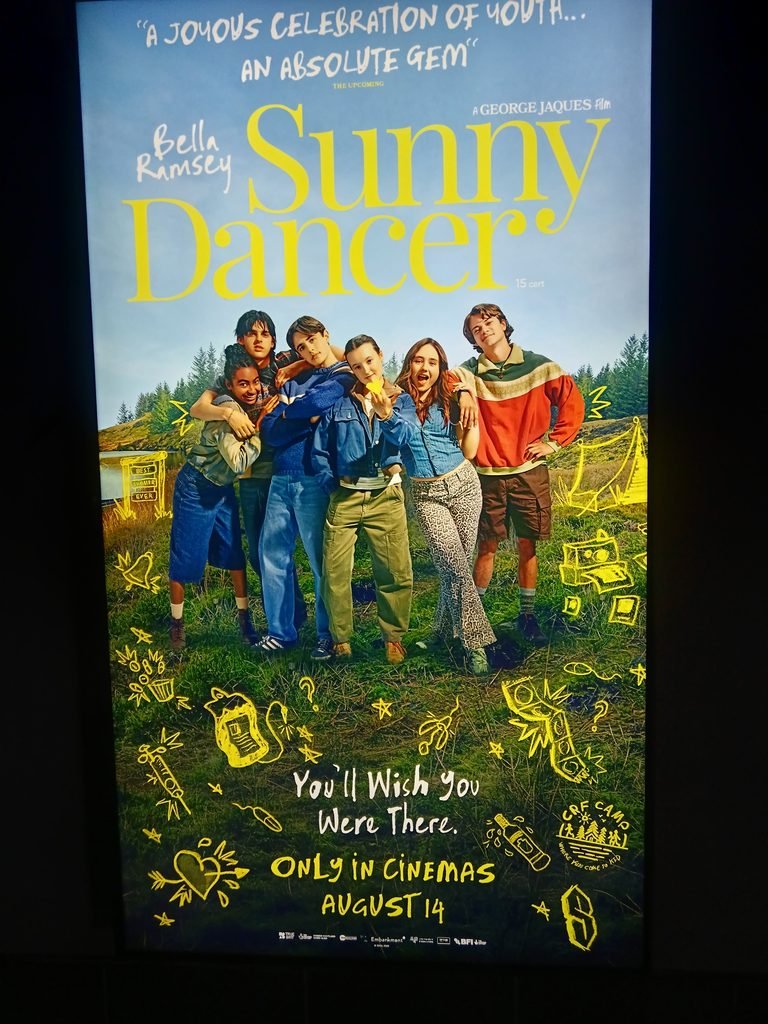
Sunny Dancer is a British drama movie that was written and directed by George Jaques. The plot focuses on Ivy (Bella Ramsey) who is a teen recovering from leukemia.
She is sent by her parents to a summer camp called Children Run Free located in rural Scotland. This camp consists of people who have experienced or undergone cancer in one way or another.
At first, Ivy feels annoyed about her parents trying to protect her but eventually she finds freedom through the camp. She is also introduced to the idea of friendship and romance.
What makes this movie unique and different is the fact that it is not a regular cancer movie. The movie recognizes disease but does not let it control every situation.
Instead, it focuses on the lives of teenagers who are the center of the plot. Ivy still wants to joke, flirt, argue, rebel, and even do things wrong.
All these things get even more significant because of the experience Ivy had.
All this gives the movie its unique character. At the same time, it creates the main idea of the whole plot.
Can Ivy learn to live without restrictions when she spent most of her life sheltered from everything? The answer comes as a result of making friends and having relationships in the summer camp.
Directorial Choices and Style

George Jaques approaches his direction of Sunny Dancer with youthful exuberance. This means that he does not make the movie somber all the time.
He tries to balance comedy, romance, drama, and the awkwardness of the teens. Such an approach shows the randomness of growing up. One can have serious problems while remaining silly and carefree.
Another thing that Jaques avoids is the tendency to portray the young people as symbolic heroes. The teenagers in this film can be selfish, funny, reckless, insecure, and annoying at some point.
This helps to show their humanity and supports the idea of identity that is expressed throughout the whole film.
The illnesses of the main characters play an important role in their life, but they are only a part of who they are.
The camp environment itself plays an important role in this approach. Scotland gives an open place for the characters to explore themselves.
The open landscape is opposite to Ivy’s more limited life at home. She feels constantly under watch because of her parents’ concern. The camp gives her a chance to start making her own decisions.
Humor is another way for Jaques to show a hard-to-take attitude towards tough situations. The teenagers can joke on topics that usually deserve serious attention.
This humor may sound sometimes awkward. However, it also shows how the people can overcome their problems through jokes. This helps the characters to avoid becoming objects of sympathy.
It should be admitted that the tonal shifts in this film are bold. One can find both funny and surprising emotional scenes right after each other.
Such unpredictability keeps the film interesting and lively. However, not all of these shifts go smoothly.
Some moments can become too dramatic when the previous emotions have not been processed yet.
The best decision made by the director in the movie is the decision not to make the illness dominating in the visual representation of the film.
The audience knows that cancer has played an important role in the life of Ivy. But the movie does not always try to remind of that through the visuals of hospitals and illnesses.
This decision makes the film different from other usual illness stories. The characters in the film are not all the time surrounded by the medical environment.
Instead, they are surrounded by other teenagers, country side, music, laughing, and uncertainties.
Cinematography
The cinematography by Oliver Loncraine is crucial in giving emotional identity to the film. The visuals lean towards the warm and natural, which is enhanced by the presence of youthfulness in the atmosphere.
This aspect distinguishes the visuals from the usual clinical visuals that are seen in many illness films.
The Scottish environment has more than its mere beauty. It symbolizes the freedom gained by Ivy. Wider shots allow the characters to seem small compared to their surroundings.
This visual technique focuses more on the possibilities that exist than the confinements. The environment gives the camp the feeling of isolation from Ivy’s former life.
Camera work is also used to give the movie its youthful feeling. There is frequent use of movements, which are linked to actions and emotions of the teenagers.
The viewers get the feeling of immediacy and being involved in the events taking place in the movie. They become closer to the group because of movement that the camera shares with them.
Warm images used in the cinematography are also useful in giving optimistic feel to the movie. Camp is not shown as institutional, but as inviting place.
It is very important because it could have been done otherwise. Cinematography helps the movie to become more summer-like.
Contrast between the subject and the appearance of the movie is quite successful. Teenagers had suffered serious illnesses, but the visuals are bright and alive.
Contrast makes it easier for viewers to accept the idea of moving forward. It prevents the film from becoming too much into itself and using the familiar visual language.
The cinematography thus works together with the direction by Jaques. The director wants the viewers to share the experience of freedom of teenagers.
Loncraine allows this through cinematography. Open environment is the component of emotional story.
Camera movements during energetic scenes are also important because they do not distance the teenagers from the viewer, but make it possible to feel intimate.
This visual technique is well suited for the movie because of its emphasis on immediacy and youthful emotions.
There is an important connection between camera movement and the character of Ivy. Her emotional development is all about overcoming the restrictions placed on her.
Visual language follows this trend. As the story gets more socially and emotionally open, the surroundings become wider.
Themes
The most significant topics include freedom, friendship, love, mortality, resilience, and adolescence.
All of these concepts connect in the film due to the changing self-perception of Ivy. At first, she has little control over her life since her parents’ fear affected many of her decisions.
She gets an opportunity to make some independent decisions at camp.
Freedom is one of the main themes of this film. Ivy learns that protection often means additional limitation.
The motives of her parents are good, but sometimes their actions might leave Ivy feeling helpless. This topic is not treated in a very black-and-white manner in the movie.
Friendship is also a crucial topic in this film. Camp helps Ivy find people that can empathize with experiences that other teens cannot comprehend.
This leads to feeling of unity and enables discussion of difficult subjects without constant explanations.
Romance adds one more aspect of Ivy’s character. First of all, this romance helps Ivy learn what attraction is and be vulnerable.
Moreover, their relationship shifts the focus from illness to something else. Now Ivy is a girl who falls in love with somebody and not a patient who has survived cancer.
Mortality also stays a relevant theme, although the light tone helps it blend in the background. The teenagers know that illness has forever changed their lives, yet the movie does not force them to talk about it all the time.
Thus, mortality makes them perceive the present differently. Friendship, romance, and having fun acquire special significance.
This is exactly when the themes in the movie become especially relevant. Regular teen experience gains additional value due to understanding that life may change drastically any day.
Moreover, the movie does not need to make every scene sad and tragic. Sometimes the message of the film lies exactly in the possibility of having fun and being happy.
The film also touches upon the ambivalent nature of parents’ love. They feel terrified seeing what Ivy has been through.
Their first reaction is to try to save her from additional danger. However, Ivy perceives this as a loss of her freedom.
This creates a universal conflict that becomes especially understandable for the audience against the peculiar plot of the film.
Parents always want to protect their kids. Teenagers crave for their freedom. Illness makes this conflict even harder.
Ivy’s parents have real reasons to be afraid of Ivy, yet she still needs to grow up and gain independence.
Moreover, the movie also focuses on the issue of identity after illness. Ivy is not just going through the treatment anymore.
She starts thinking what kind of person she could become. This adds depth to Ivy’s character and makes the survival only the beginning of a new chapter in her life.
The movie tries to deal with numerous themes in a short period of time. Thus, some themes are explored better than others. There is too little time to discuss each of the themes properly.
Storyline and Structure
The central storyline is strong enough to maintain interest for much of the film. Ivy’s emotional journey gives the audience a clear reason to keep watching.
We want to see whether she can become more independent. We also want to understand how the camp changes her relationships.
The supporting characters provide additional storylines. Their friendships and conflicts create energy around Ivy.
This makes the camp feel like a living community. The story does not stop whenever Ivy leaves the centre of attention.
However, the film sometimes falls back on familiar young-adult conventions. Teenage romance, rebellion, parties, arguments, and emotional misunderstandings are familiar territory.
These elements are enjoyable, but they reduce some of the film’s originality.
The problem is not that Sunny Dancer uses familiar ideas. Coming-of-age films naturally share certain conventions.
The issue is whether those conventions are transformed by the film’s unusual premise. Sometimes they are transformed successfully. At other points, the film feels surprisingly familiar.
This creates an interesting contradiction. The film wants to show something different from a typical coming-of-age story.
Yet it occasionally relies on the same storytelling patterns found within the genre. The cancer camp setting gives those conventions a new context. However, the underlying structure can still feel recognisable.
The third act creates the biggest structural problem. A bizarre and divisive plot development changes the emotional direction of the story.
Some viewers may find the development memorable and dramatic. Others may feel that it does not naturally follow from the earlier story.
This turn also affects the pacing. The film has spent much of its time building relationships and exploring independence. T
he later development introduces a different kind of emotional emphasis. As a result, the conclusion can feel more constructed than earned.
This is where the film becomes most vulnerable to criticism. Earlier sections are strongest when the story remains grounded in character.
The third act risks shifting attention towards plot mechanics. That change can weaken some of the emotional authenticity established earlier.
Nevertheless, the controversial development does make the ending difficult to forget. It is unlikely to leave audiences completely indifferent.
A divisive choice can sometimes be more interesting than a predictable conclusion. The question is whether the development feels earned within the story.
For some viewers, the answer may be yes. For others, the third act may feel too strange or melodramatic. That uncertainty makes it one of the most debatable elements of the film.
Pacing
Pacing is another complicated element of Sunny Dancer’s structure. Its dynamic nature allows the movie to move along and prevent too many lengthy scenes of emotional turmoil. Scenes can change from joking to romantic to arguing to emotional conversation within seconds.
Such a fast pace fits the movie because its teenage protagonists’ lives are hectic, impulsive and emotionally unpredictable. Pacing is also a way to reflect the temporary and intense summer setting which can not be slowed down.
Still, speed can also be a weakness. Not all emotional developments happen after previous events are perceived by the viewer. Some relationships could use a little time and some conflicts could solve themselves sooner than expected.
The problem becomes especially prominent when talking about the third act. The plot twist affects the pace and the tone of the whole movie.
Therefore, the resolution could seem rushed for some people while the sudden emotionality is appreciated by others.
Therefore, the pace is a reflection of the movie’s strengths and weaknesses. The energy of this movie is what gives Sunny Dancer character and makes it unique.
At the same time, the lack of restraints sometimes stops it from going deeper into emotions.
In addition, a slower pace would allow relationships to be developed and make the emotional theme stronger.
However, a slower pace could kill the whole youthful atmosphere of this movie.
Thus, the pacing of Sunny Dancer is a challenge to find the balance between speed and emotional development. Sometimes it does find this balance but at some points it can not manage to do it.
Performances
The performances are another strength of Sunny Dancer. The young cast successfully conveys a sense of community at the camp.
They have natural dialogues and interaction which is spontaneous but not completely staged.
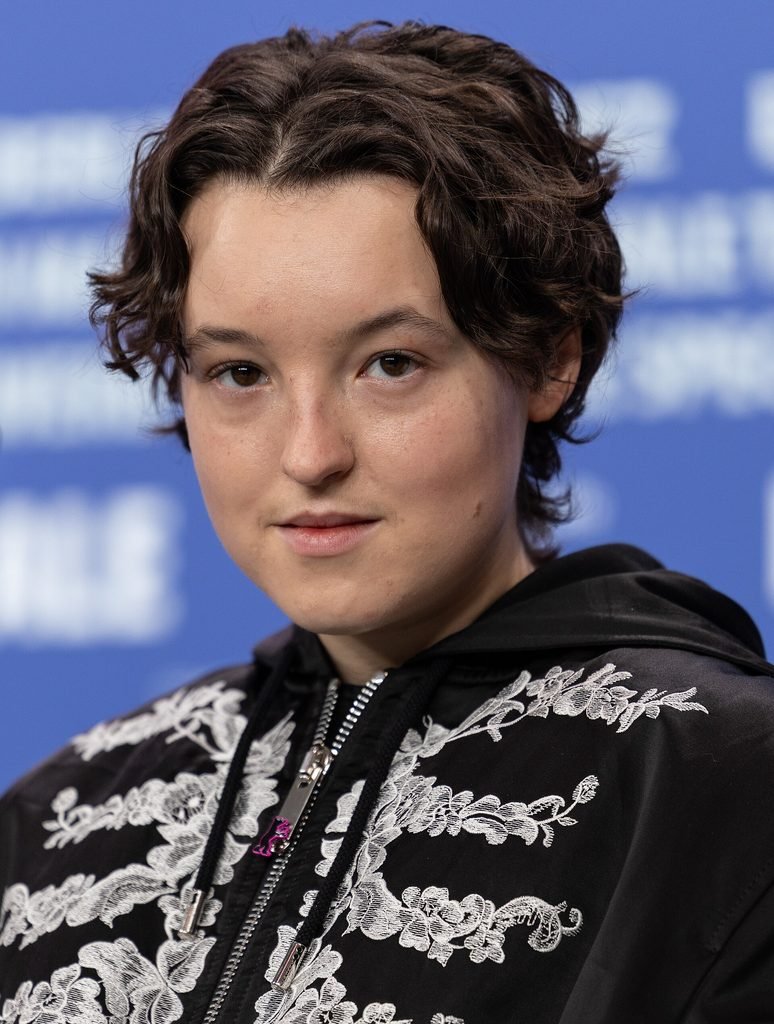
Bella Ramsey gives an emotional core of the movie with her performance of Ivy. The actress successfully combines anger, comedy, vulnerability, and doubt. Ivy does not appear to be endlessly brave and inspirational. Ivy can be tough, confused, impulsive, and emotionally closed.
This complexity of the character helps Ramsey to play her role perfectly. Ivy does not come across as a symbol of cancer but as a teenager. Ivy’s emotional ups and downs make the character’s growth logical.
Also, this performance is free from unnecessary sentimentality of Ivy. Ivy does not react to some events the way one expects to see it.
Such approach makes her more realistic and allows the viewer to understand Ivy’s frustrations.
Daniel Quinn-Toye gives his character the charisma and vitality. He is needed for developing a romantic sub-plot and creating chemistry with Ramsey. His work allows making sure that their romance is believable, natural and feels like attraction in real life of teenagers.
Ruby Stokes contributes to the ensemble’s emotional range. Her presence helps the camp feel like a group rather than a collection of background characters.
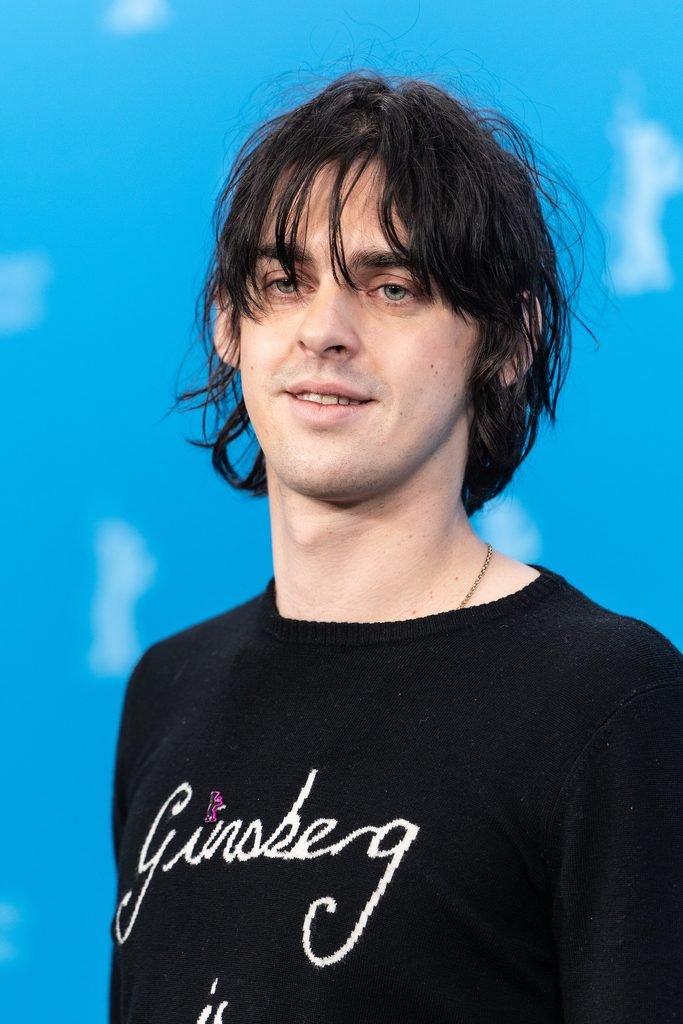
Earl Cave adds a more rebellious energy to the teenage ensemble. His performance helps maintain the film’s unpredictability.
Jasmine Elcock and Conrad Khan also strengthen the group dynamic. Their performances add different personalities to the camp environment. This matters because the characters should feel connected without becoming identical.
The adult performances offer good contrast to the teenage ones. Jessica Gunning brings humor and warmth into the film. It helps to keep the balance between hard issues and funny moments.
James Norton helps to convey the point of view of a parent. His performance makes the overprotectiveness of parenting even more complicated. Ivy’s parents are not villains, but they act due to fear and love.
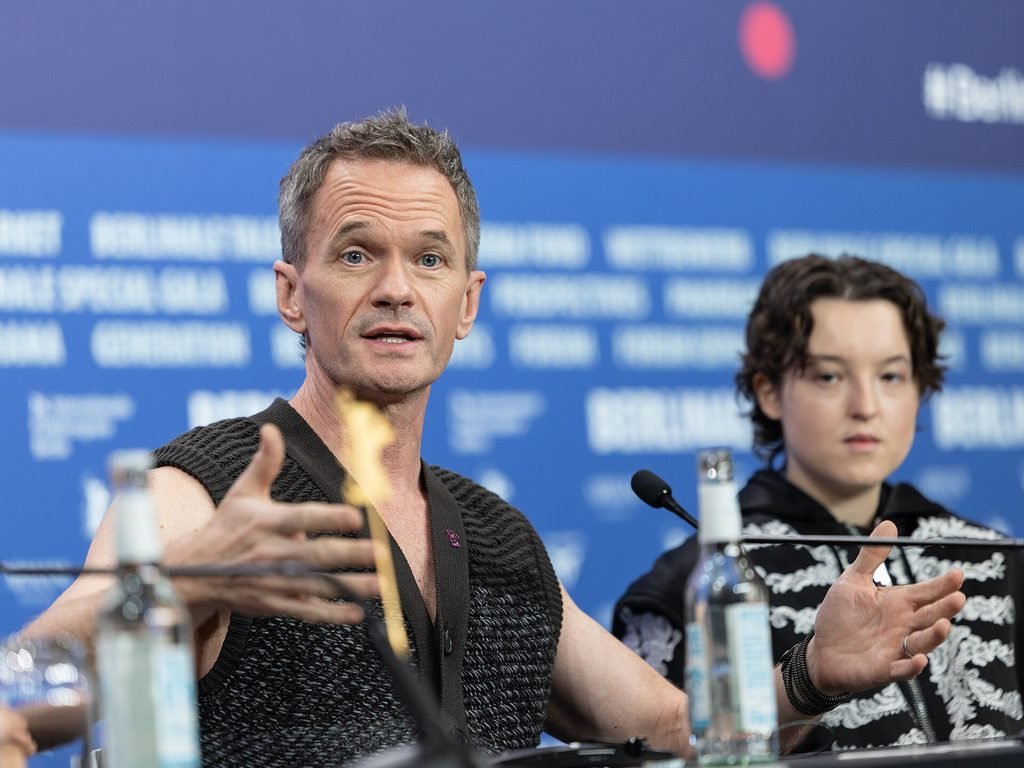
Neil Patrick Harris brings his strong comic talent to the adult ensemble cast. His timing keeps the light tone of the film. Also, his performance helps to prevent the film from being too serious.
The only weakness of the cast is that some of the supporting characters are underdeveloped. Some actors get less drama compared to Ramsey. This is mainly due to writing and not bad acting.
Generally, the cast works well because of the socially connected characters. They do not interact with each other only to illustrate the themes of the film. They help to create jokes, conflicts, attraction, and jealousy.
What Works
It is a good thing that the film allows itself to believe in its characters. The most convincing scenes in this film are those that allow teens to behave like real teenagers.
They can joke, flirt, argue, make mistakes and just enjoy themselves. The cancer is present in the life of the characters but does not dominate every conversation.
This film also features very good actors. Ramsey manages to make Ivy a multi-dimensional character who does not become a stereotype of a heroine inspiring everyone.
The young actors’ performance creates a special atmosphere of warmth and energy in the film. The chemistry between them is amazing.
The cinematography is yet another advantage of this film. The warm images and beautiful landscapes create a unique style of Loncraine and also reflect the theme of freedom in the film. The cinematography reflects the energy of the adolescents.
Humour used in the film is convincing when it is connected with the characters. Humour makes the adolescents feel realistic while also contrasting with more emotional scenes which can make them even more dramatic because of this contrast.
The main idea of this film is also impressive. People who have gone through some kind of disease deserve to be seen as regular people who want to experience things like romantic love, freedom, excitement and friendship. The film shows this in a better way than most other illness films.
One more great point about the film is that it embraces messiness. The teens make decisions that cannot be described as reasonable at times.
They can be selfish and impulsive. Imperfection makes their relationships more convincing.
The setting in the film is also interesting because it helps to create the atmosphere of escape. It helps to create an opportunity to experiment for the teens and becomes an important element of the story because of this.
What Does Not Work
The major flaw here is the use of well-established conventions of YA genre in the screenplay. The movie has a unique premise and interesting characters, but some of its scenes are cliché.
The second issue is related to a great number of different themes. In this way, some of them get not enough development.
The movie sometimes presents emotionally heavy moments without giving the viewer enough time for reflection.
Third-act plot twist is probably the most controversial storytelling choice. In addition to being quite unusual, it might be disconnected from character-oriented storytelling and, thus, might be controversial among the audience.
The next weakness is connected to tonal shifts. This feature is crucial for the film, but some of these shifts are rather abrupt. The movie sometimes tries to go too deep after light-hearted scene.
These issues do not make the film a bad one. They just keep it from becoming as powerful as it could be considering its premise.
The best Sunny Dancer would believe in its characters and would not have to add too many dramatic elements to cause emotional reaction.
Moreover, the film could have provided deeper background information on supporting characters. While the ensemble is quite appealing, some characters do not get enough development. Some of the relationships are therefore not as strong as Ivy’s story.
Finally, there is the danger of predictability. Optimism of the film is one of its biggest advantages.
On the other hand, optimism is always more effective when it is complex enough. Sometimes the movie goes to emotionally heavy conclusion without having a right to do this.
Overall Verdict
One of the most impressive aspects of Sunny Dancer is its ability to create an original and distinctive coming-of-age film that manages to have true warmth of emotions.
The biggest success of this movie is in the fact that it manages to depict its characters first of all as teenagers, not as people who have cancer experience in their lives.
Bella Ramsey’s performance gives an original and emotionally complex portrayal of the protagonist. Supporting roles form an attractive ensemble of the film around Ivy.
Cinematography of Jaques Loncraine adds warm atmosphere, movement and strong sense of place to this movie.
At the same time, it is necessary to say that Jaques himself also deserves appreciation in his approach to a rather complicated topic of the film.
His choice to depict the reaction of a teenager to complicated experiences by using humor makes this story more personalized.
However, there are some flaws of this film that make it sometimes not fully convincing. First of all, the familiarity of YA elements of the story does not always help in making this film original.
Some themes can be developed unevenly in it. The turn of plot in the third act will surely split the audience in half. The pace of the film becomes more chaotic as well as its ending is near.
However, even though there are some shortcomings of the film, it is still a nice movie and sometimes moving one. I
t understands that survival is just the beginning of a life, not the end of it. For Ivy it means that her survival is a chance to start living more freely.
This concept is what makes this movie the most emotional and powerful one. Although its imperfections are clearly seen, they cannot take away all the positive aspects of the film.
It provides an original and sincere story of teenager’s life after being ill and overcoming cancer.
This film is one of the few ones that understands that young people need to have stories about their life, not only about survival.
It is the biggest strength of this movie despite the fact that it still cannot completely avoid conventions of young-adult cinema. However, it provides these conventions with emotional background.
To those who can put up with its inconsistency, it is a very heartfelt movie. The best performances and visuals in the film create a delightful summertime mood. The themes make the audience ponder about life after surviving.
This way, Sunny Dancer is not just a film about sickness. It is a film about recovering one’s youth back. The point of the movie is clear yet not simplistic.
It makes the characters forget about waiting for their life to start. It makes them risk, develop connections, feel unsure. This is where the emotional drive of the film comes from.
Although the narrative is not always consistent with this idea, the performances make the film realistic.
The cinematography adds confidence to it visually. The humor adds character to it. The young cast makes it dynamic.
Therefore, Sunny Dancer is still a movie with more strengths than flaws. It is warm yet not too sentimental.
It is serious yet not too gloomy. Most importantly, it gets that surviving creates opportunities, not restrictions.