
Ramayana: Rise Of A Legend Movie Review
Introduction
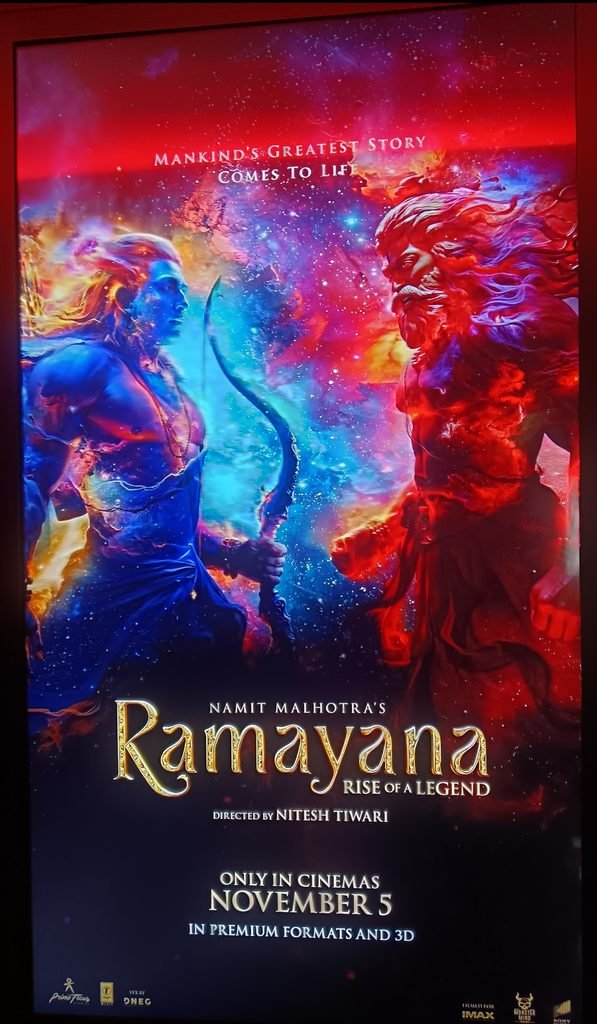
Few movies can be said to come with the kind of expectations carried by Ramayana: Rise of a Legend. Directed by Nitesh Tiwari, it is the first part of an intended two part movie adaptation of Valmiki‘s epic, which has been described as being extremely ambitious with a reported budget of ₹4,000 crore (~$500 million).
It boasts a stellar cast, Oscar winning visual effects team DNEG, and music scored by Hans Zimmer and A.R. Rahman to bring one of the greatest mythological stories to life on the big screen.
The opening chapters of the legend follow the life of Prince Rama from childhood, to marriage to Sita, and into the couple’s 14 years of exile.
The movie was released globally on 5th November 2026 and tells the story of Rama’s wife being taken by King Ravana of Lanka.
We also get to learn about the history behind the demon king and how he changed from a pious Shiva worshipper to an ambitious tyrant.
Overall it is a visually stunning and impressive take on a story that shows just how much Indian cinema can compete with some of the highest fantasy movies coming out of Hollywood. However, it does suffer from sacrificing character development with its huge scope.
Nitesh Tiwari’s Vision: Bringing an Ancient World to Life
As opposed to a more fantastical approach, the film attempts to give a more realistic feel to the mythical story.
The acting is very understated, there are no exaggerated movements and instead the emotions are shown through subtle facial expressions.
Even when showing the supernatural elements, they focus on giving the characters a physicality.
The attention to detail is very prominent throughout the film. They have spent years working with scholars to study Valmiki’s original text to ensure the story remains true to the original and not a corrupted version of the story.
This gives the film a strong sense of purpose however it can sometimes become too respectful which can make the story very formal.
One of the most impressive aspects of the film is the visual differences between the key locations. Ayodhya is portrayed as a warm, bright and magnificent kingdom.
Whereas, Lanka is a dark and intimidating location. This creates a great contrast which helps build up the main conflict.
A Monumental Visual Achievement
Ramayana: Rise of a Legend has truly been made on a massive scale. Producer Namit Malhotra and VFX houses DNEG and ReDefine have created a huge world with incredible set design and VFX. The film has used some intricate set pieces to make it feel more authentic.
Pankaj Kumar‘s cinematography has been a key part of this. He is known for his work on Tumbbad and Haider so knows how to avoid a flat, artificial aesthetic.
The cinematography is based on natural lighting. We see lots of sunlit scenes and the weather is taken into consideration along with carefully designed lighting.
The camera work is very grand. There are wide sweeping shots and large establishing shots to give us a sense of scale.
However there are also tracking shots to bring us into the characters. Some shots really have an operatic feel to them reminiscent of Zack Snyder‘s fantasy and superhero movies.
The best part of this film visually is the VFX. DNEG have created an incredible amount of depth within Ayodhya, Lanka and the Dandakaranya forest.
Many times you feel like you are in a scene from Lord of the Rings or Avatar. The opening battle between the Devas and Asuras is absolutely stunning.
The camera is filled with huge armies and intricate magical battles. Further on we see some great battles with demons in the forest.
Another highlight is the aerial battle with Ravana and Jatayu. With so many characters flying, beautiful feather effects and huge VFX environments it really creates a sense of realism.
We can also see Terry Notary‘s expertise with creature performances with the bigger mythical creatures.
There are some inconsistencies. Whilst the environments are often stunning, some creatures such as Tataka and Subahu don’t always look as realistic. This is more obvious on a big IMAX screen as the level of detail around them is so high.
The IMAX 3D Experience
This is a great addition to the premium cinema experience due to its large scale. The IMAX 3D technology is great in making the large settings feel extra deep.
The large architectural structures of Ayodhya and the thick forest areas are really brought to life.
The large screen really helps the larger scenes of the film. The opening battle in the heavens and the fight with Jatayu are great uses of the large screen.
The large architecture in Lanka is another great use of the large screen. The darker scenes have better contrast due to the premium cinema setting.
The sound design of the film is amazing. The score by Hans Zimmer and A. R. Rahman really give the film its own musical identity.
They have combined sweeping orchestral music with traditional Indian instruments. The large brass sections by Zimmer give the film an epic Hollywood fantasy feel. Meanwhile the music by Rahman really has a spiritual feel to it.
This is one of the most exciting aspects of the production. Whilst the score does help to highlight the difference between the different kingdoms, it can get quite overwhelming at times.
At some points the music and slow motion photography really highlight just how important scenes are, meaning there isn’t much room for more subdued emotional scenes.
A Story Rooted in Dharma
However, underneath the spectacle of this movie, Ramayana: Rise of a Legend is ultimately a story about duty, sacrifice and taking personal ambition too far. The main spiritual idea within the story is ‘dharma’, which means moral and sacred duty.
This is most clearly shown when Rama accepts his 14 year exile. He is putting himself through a lot but keeping his word to his father.
Sita and Lakshmana also chose to join him on his exile to show their righteousness.
What is particularly interesting about Rama is he is depicted as not really knowing he is divine. He has a good nature shown through his actions, kindness and commitment to doing the right thing.
However, the script can struggle to make him have any inner conflict due to how naturally good natured he is.
The film also shows a more complex side to Ravana. His devotion to Lord Shiva plays an important role in his backstory.
We see how his want to free his people slowly turns into a lust for power, ego and personal ambition. This makes him a more complex character and an interesting tragic figure.
Overall the film seems very respectful towards the Hindu myths. It was obviously an intention to stay true to the original story after the controversy of Adipurush’s modern take.
Whilst this is admirable it does mean some parts of the film can feel quite stiff as there is often a lot of dialogue explaining religious aspects.
Those who are already familiar with the epic will enjoy the attention to detail but those new to the story may struggle with some parts.
Performances
The main performances are a great contrast.
Prince Rama is portrayed with a lot of calmness by Ranbir Kapoor. He does not play the typical hero and instead uses his facial expressions and body movements to show how noble and peaceful his character is.
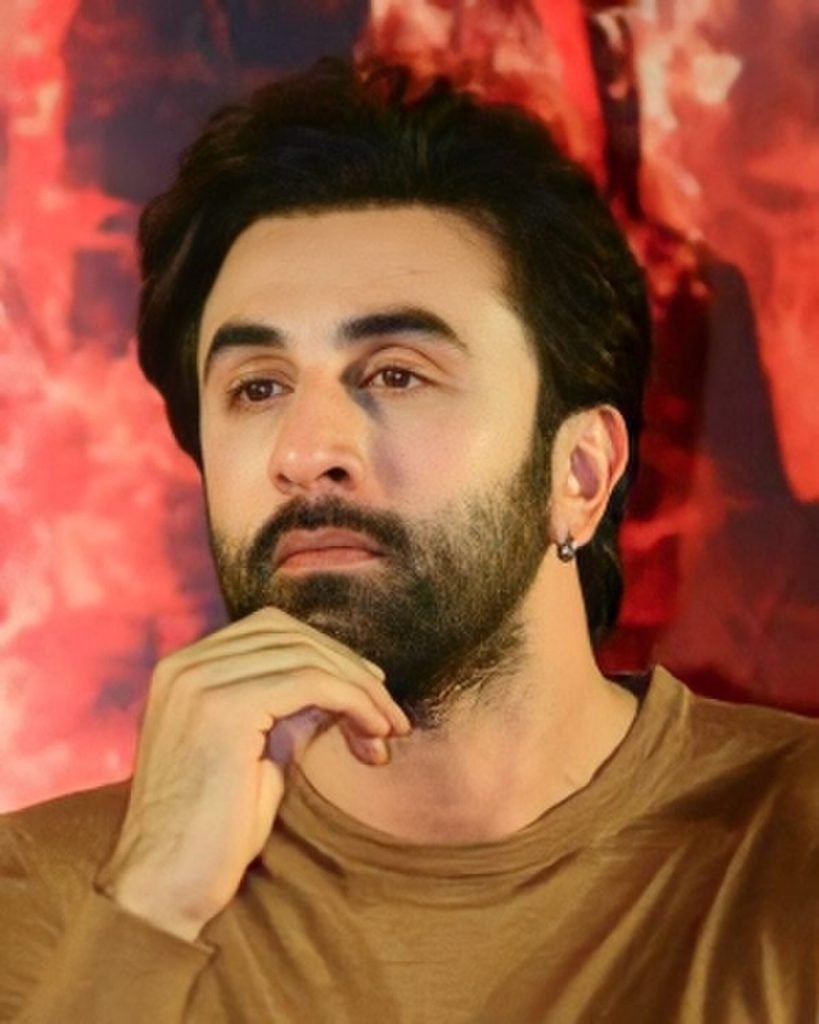
This was a challenging role for Rama as he is very righteous and does not really have any flaws. This can result in his performance being too calm at times.
Overall though, he portrays his character with a lot of dignity which makes him seem like a dutiful character.
©Creative Commons Attribution 3.0
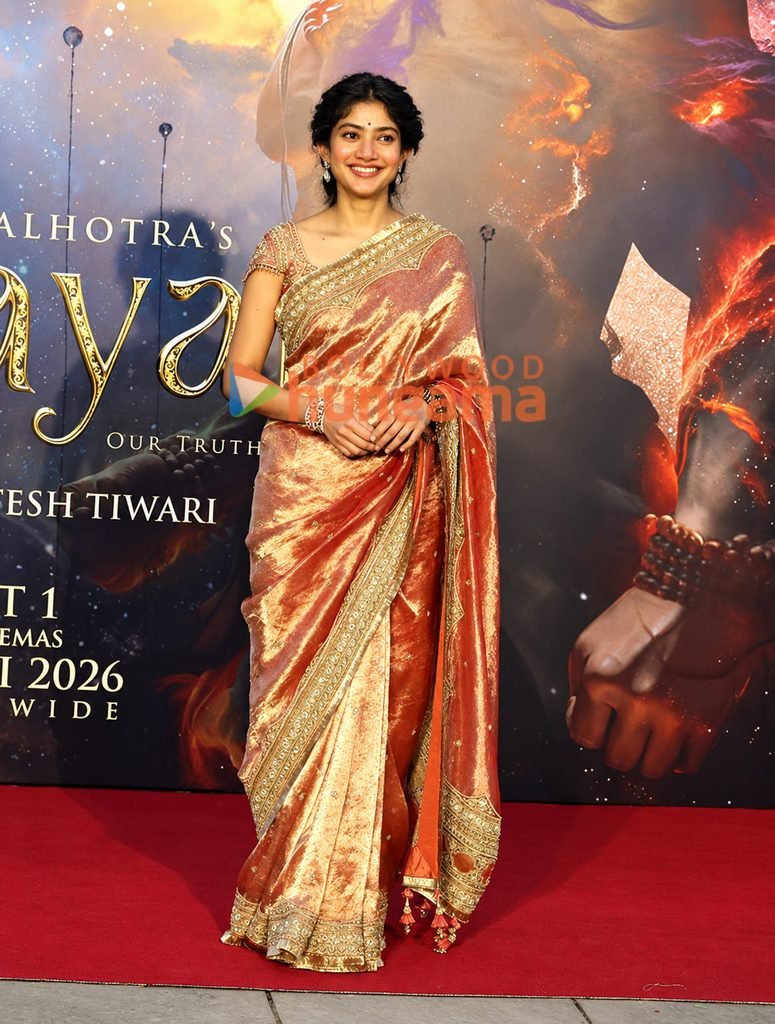
Sai Pallavi brings warmth and strength to Sita. Her portrayal avoids making the princess a passive figure, giving her a quiet resilience and sense of purpose.
She also shares a sincere chemistry with Kapoor, although the film’s relatively brisk movement through some of the early story limits the opportunity to explore their relationship in greater depth.
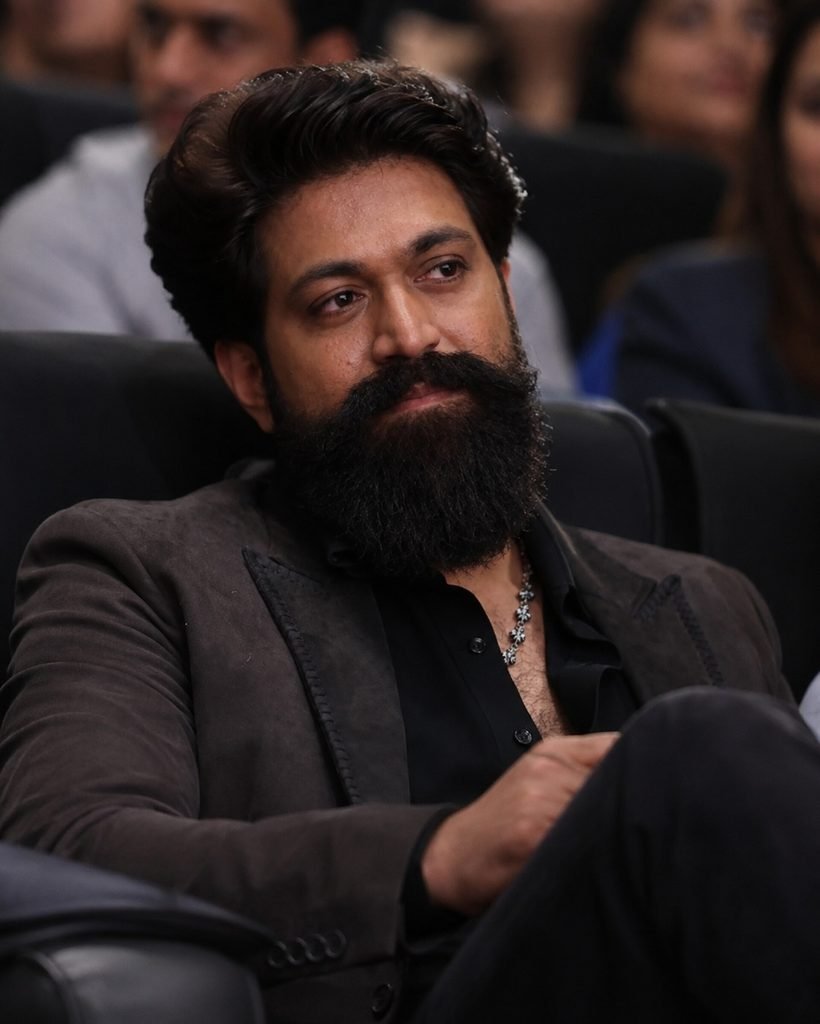
However, the role that stands out the most is Yash as Ravana. He has a strong physical presence on screen and really captures the character’s devout nature and growing sense of ambition.
It gives the film much of its dramatic energy, especially as the plot develops more around Lanka and the source of Ravana’s power.
One of the best parts of the film is how well his intensity contrasts with Kapoor’s more laid-back performance.
Ravi Dubey provides a strong supporting presence as Lakshmana, balancing fierce loyalty towards Rama with a more approachable personality.
Sunny Deol‘s Hanuman is another significant addition to the ensemble, while the wider cast, including Arun Govil, Lara Dutta and Rakul Preet Singh, helps give the palace drama a sense of scale and emotional importance.
Where the Epic Loses Its Way
Despite its ambitious nature, Ramayana: Rise of a Legend does have some issues. The main issue is that it’s difficult to fit an epic story like this into one film.
Whilst the movie covers many parts of Rama’s story including his childhood, marriage, banishment and abduction of Sita, it also had to include Ravana’s backstory, meaning there was a lot to fit in.
This means some relationships were not explored as much as they could have been. The relationship between Rama and Sita is genuine and pure, however there was not enough time to really develop the relationship.
Some scenes showed sudden changes in emotions and the film focused more on the major events from the epic rather than the little moments between characters.
Tiwari also relied heavily on slow motion throughout the film. Whilst it worked well in the major action scenes, it was overused.
It was used in some quite simple scenes between characters which combined with the dramatic soundtrack made the film feel like it was dragging.
The balance between Rama and Ravana was not balanced. Yash plays Ravana so strongly and confidently that it can make Rama seem quite dull.
Whilst this may have been done on purpose to show their contrasting personalities, it did cause an imbalance in the film.
The global English version of the film has faced some criticism due to a lot of editing and use of AI dubbing.
The edited version has cut out some cultural dance scenes and made the story quicker to watch. If you want to watch the full version then it would be better to watch the original Hindi version with subtitles.
Final Verdict
Ramayana: Rise of a Legend is a visual treat that boasts some remarkable world building, an awesome score by Zimmer and Rahman and a powerful performance by Yash.
However, the film suffers from an inconsistent pace, too much slow motion and lackluster relationship development. This said it is an incredible film to kick off the planned two part epic.