The Magic Faraway Tree Movie Review: A Modern Adaptation
Bringing a Classic to the Big Screen
When news broke that The Magic Faraway Tree was finally being adapted into a feature film, fans celebrated worldwide. This The Magic Faraway Tree movie review explores how the film translates Enid Blyton’s beloved stories for modern audiences.
Both nostalgia and the chance to engage kids and adults with exciting stories was noted by studios. Moreover, the success of other similar movies inspired a much-needed remake for today’s generation.
The filmmakers also hoped to bring Blyton’s magic to younger generations in order to pay tribute to the nostalgia of loyal readers of her work. The objective was to create a film where magic, heart, and fun came together in the same way as the books did.
Director, Cast, and Production
Director Ben Gregor, best known for television work, helmed the project with energy and visual flair. Screenwriter Simon Farnaby, credited for Paddington 2 and Wonka, crafted the screenplay for a wide audience. Gregor’s style favors vibrant visuals and playful pacing, but sometimes sacrifices character depth for spectacle.
Each fantastical land showcases impressive CGI and elaborate sets that delight the eyes immediately. However, the visual overload occasionally distracts viewers from the story’s emotional core.
The cast included Andrew Garfield, Claire Foy, Rebecca Ferguson, and Jennifer Saunders, raising expectations. On paper, this combination promised a modern, engaging take on a timeless story. Unfortunately, Rebecca Ferguson received very few scenes to showcase her talents. This underutilization prevents her from adding nuance or emotional weight to critical moments.
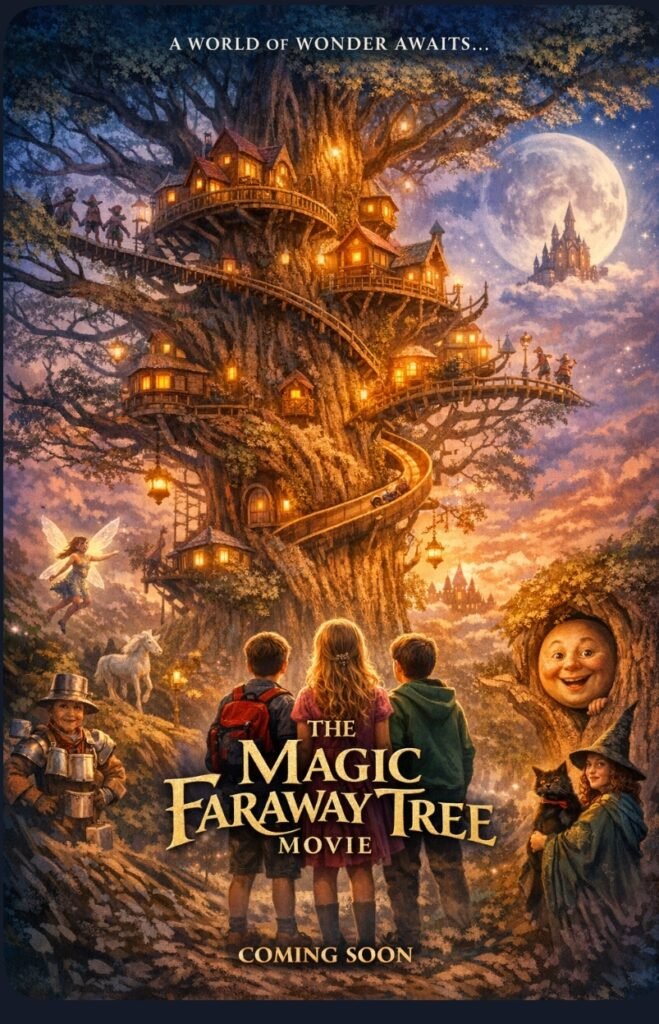
This movie is set in the English countryside, where the Thompson family moves from their urban environment into the country. This place contains a magic tree whose upper parts contain ever-changing worlds of enchantment. Gregor focuses on spectacular elements, hoping to create an exciting cinematic fantasy world full of possibilities.
Performances: Garfield, Foy, Ferguson, and the Children
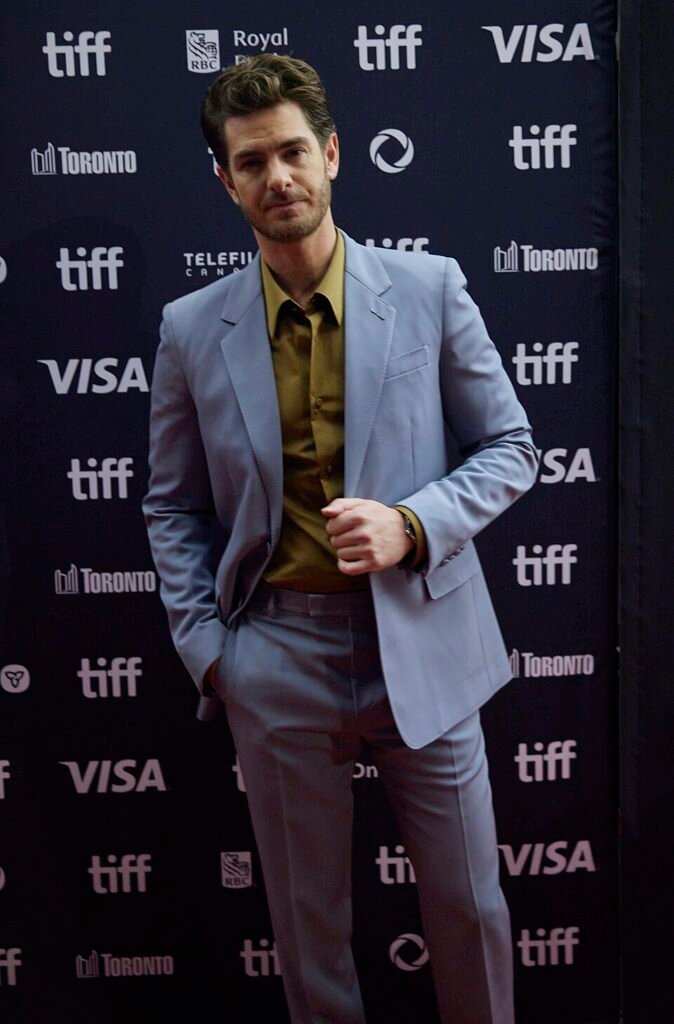
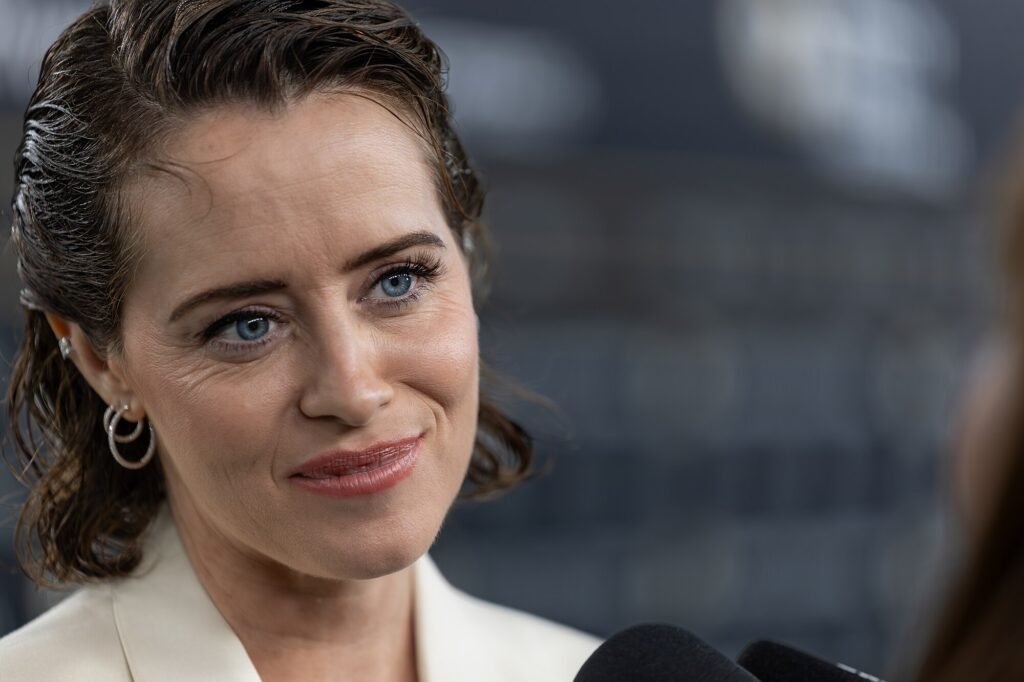
The performances highlight both the good and bad parts of the movie at once. Andrew Garfield brings warmth and charm, making his role funny and weighty even amid the chaos. Claire Foy makes everything emotional, bridging fantasy and reality.
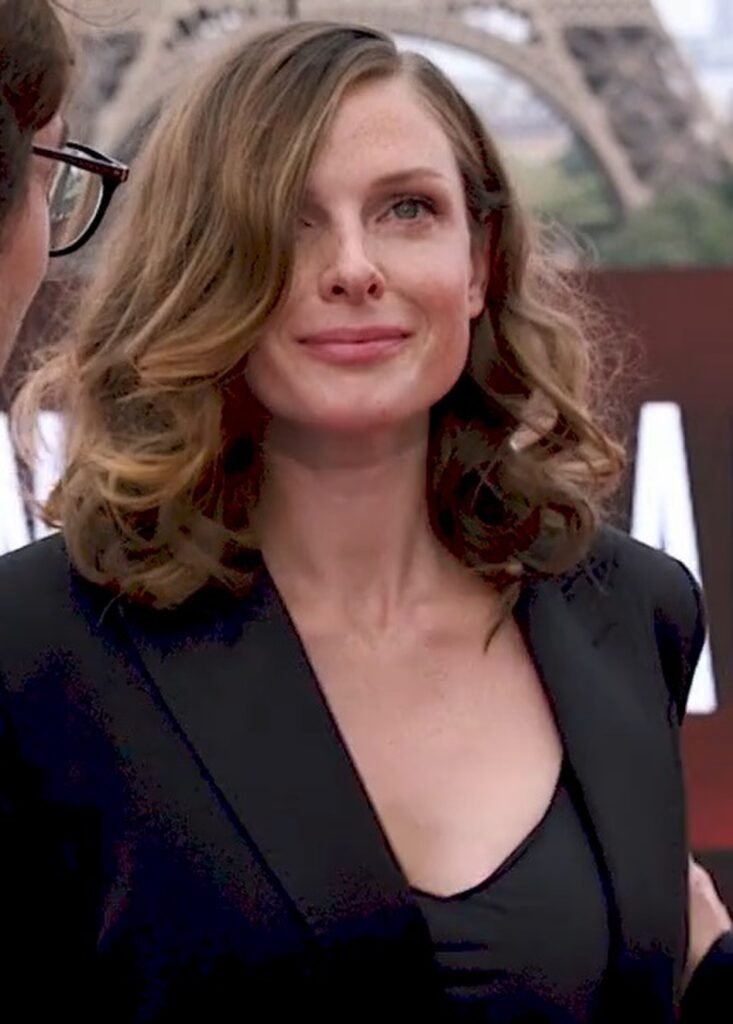
Meanwhile, Rebecca Ferguson remains underused, leaving her character arc underdeveloped and frustratingly shallow.
©Creative Commons Attribution 3.0
The child actors show chemistry and charm, but CGI often overshadows their efforts dramatically. Nicola Coughlan as Silky becomes a divisive presence through exaggerated cutesiness and constant high-pitched whimsy. Her portrayal undermines Silky’s gentle nature and becomes grating over the extended runtime. Nonetheless, these young performers occasionally shine, offering glimpses of the original story’s heart.
Characters, Pacing, and Tone
However, the quirky characters in The Faraway Tree, such as Moonface, Dame Washalot, and the Saucepan Man, lose their charm when stretched too far. It seems even accomplished comedians, such as Jennifer Saunders, have trouble when faced with a script where spectacle takes precedence over substance.
The story moves from slapstick comedy to adventure and even to moments that involve love within the family without warning. The episodic format of the books becomes one continuous storyline and makes for inconsistent pacing. Some stories move too quickly while others are stretched out; hence, making it difficult to connect to the magical world.
Themes and Magical Land
However, the key themes of friendship, bravery, and curiosity are portrayed in an uneven manner in the movie. Even though the movie tries to show the value of these lessons, there are moments when the spectacular nature of the movie overrides its emotional quotient.
Certain magical worlds serve to illustrate this point. The land of Goodies looks colorful but misses the charm present in the book. The world of Dame Washalot turns funny little quirks into predictable jokes which miss the initial wit altogether. Even the land of Take What You Want, filled with moral messages from the book, remains shallow. Quick-witted jokes prevent us from reflecting on what happened.
Despite these flaws, the film captures the look of Blyton’s lands beautifully. However, it often fails to convey the emotional or thematic depth that made the stories beloved.
Conclusion
Modern family distractions with technology would have helped bring out the timelessness of Blyton’s messages better. However, the distractions sometimes seem to detract from the magic of the movie. Even though curiosity and connections between people are addressed in the movie, they seem transient.
At its core, The Magic Faraway Tree remains a beautifully illustrated film with some charming moments. The characters become annoying quite fast, in particular, Silky, despite solid performances by Garfield and Foy. Rebecca Ferguson fails to utilize her talents properly.
The themes are quiet, and the episodic escapades lack tempo when condensed in movie form. It isn’t unwatchable, but it doesn’t impress, merely skimming the surface without delving beneath it in the way that Blyton does with her imagination. This The Magic Faraway Tree movie review examines the challenges involved in turning episodic magic into a coherent film.