Ultimate Top Gun IMAX Experience: Top Gun Review
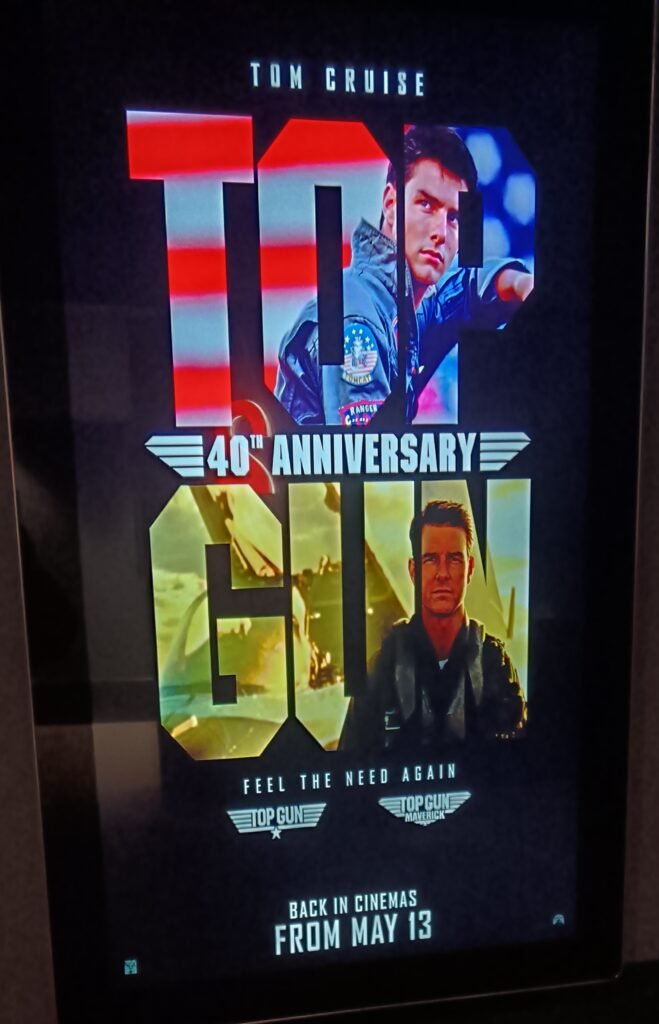
Top Gun 40th Anniversary IMAX Review (Warning Contains Spoilers)
It’s been forty years since the release of Top Gun. This movie still counts as one of the best Hollywood blockbusters from the 1980s. This film is loud, flashy, and totally confident in its style. Revisiting it in IMAX reminds us how intentionally cinematic this movie was all along.
It is also due to the cultural reason behind its revival. The movie industry is increasingly bringing back old movies in high-quality versions. IMAX releases of classic movies have become commonplace. It is an effort to encourage people to revisit the magic of movie theater experiences. And “Top Gun” is a perfect fit for this strategy.
A Film Built on Pure Cinematic Confidence
Right from the start, the movie is aggressively self-confident. There is no gradual build-up of mood or atmosphere. Rather, it jumps right into action – speed, sound, and attitude. This remains just as surprising today on an IMAX screen.
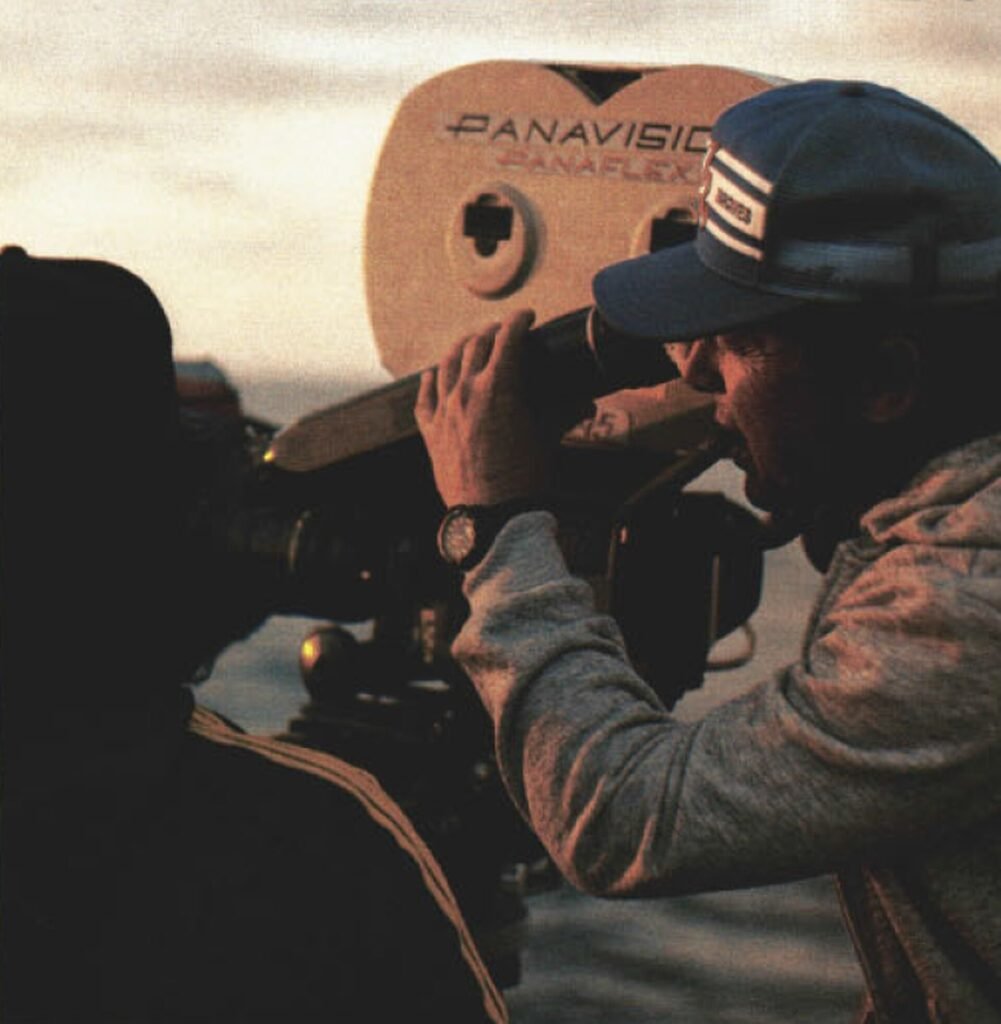
It is undeniable that Tony Scott’s directorial prowess lies in its style and visual intensity. That is because he does not believe in being subtle and instead believes in sensuality. The shots are constructed in such a manner that an immediate emotional reaction will be triggered.
This viewing experience cannot be considered passive. Rather, it will become physical right from the start. The sensory intensity will only intensify through the use of IMAX projection.
What is really interesting about the movie is how everything is carefully done. The movie could have been over the place.. It was not. The movie had a flow to it from start to finish. This was especially clear when I saw it in the IMAX format. The movie is full of excess. This excess is very methodical and that is what makes the movie so interesting. The excess, in the movie is what gives it this rhythm.
Cinematography and Visual Language
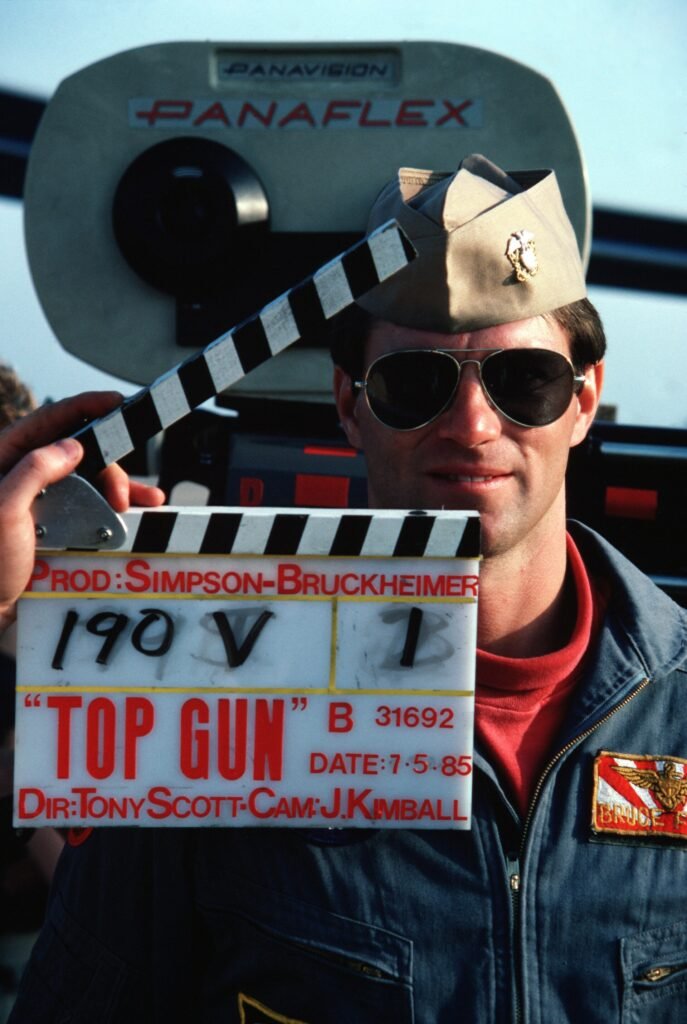
The cinematography of Jeffrey L. Kimball is essential for the lasting quality of the film. It creates atmosphere and texture. The “golden hour” lighting is easily identifiable. The sunsets serve as emotional bookends. The sky takes on a storytelling role rather than being merely a backdrop.
In IMAX, the technique is much more evident. The cockpits look like they are enclosed and yet large at the same time. Glass reflections contribute to the depth of the composition. The cloudscapes turn into painting-like, almost abstract images.
The first thing that stands out is the visual intent consistency. The movie does not separate beauty and action. Even the most violent aerial scenes are perfectly composed. It is always clear what the visual direction is.
It is this clarity that allows the movie to work on such an epic scale.
The use of aerial photography still stands out as particularly remarkable. Actual aircraft were heavily utilized in the making of the film. This makes the film more tangible and credible. It also makes the movement and framing in the film unpredictable.
IMAX greatly improves the realism. Jets appear to be physically present in the atmospheric environment. The sense of distance, speed, and height becomes more obvious. It produces an immersion experience instead of a mere awe-inspiring one.
Visual Effects and Practical Limitations
Visual effects need to be viewed from a historical perspective. They belong to an era of filmmaking prior to digital technology. This implies that they involve optical and practical effects, some of which may not age well.
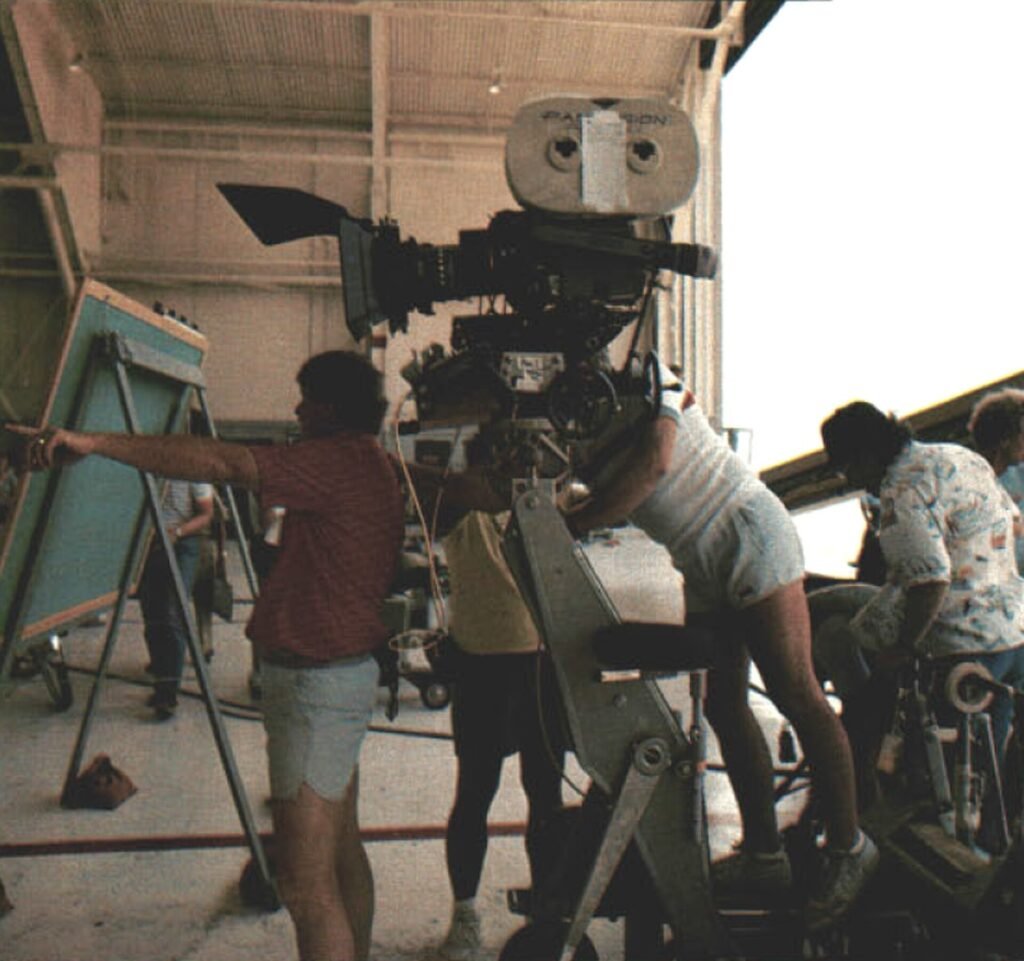
Some scenes showcase composited imperfections. Some edges are not as sharp or well-composited by today’s standards. There are times when background objects appear slightly out of place. But this doesn’t interfere much with the suspension of disbelief.
The more important issue is the realism of the visuals. This movie has a solid foundation in reality, thanks to its realistic settings and aircraft. This offsets any technical shortcomings.
The dogfight scenes still work structurally. They depend on rhythm, editing, and directionality. There is some loss of spatial clarity. But the emotional payoff is still there.
Soundtrack as Emotional Engine
The soundtrack is integral to the identity of Top Gun. The music serves an important role both emotionally and rhythmically in the telling of the story.
“Top Gun – Danger Zone” establishes the mood of the film in its very first moments. The track serves to instil energy and pace immediately. The track is one of the most recognizable pieces of music in film history.
“Take My Breath Away” serves as the emotional counterpart to “Danger Zone.” The music serves to slow down the film and introduce romantic reflection.
And so is the music by Harold Faltermeyer. The synth parts are few, but very powerful. They emphasize tension, speed, and continuity. They bring together various scenes.
The sound design for IMAX enhances all these elements greatly. The bass is felt physically, not heard. The jet engines become part of the environment. The music and the sound effects become one.
Expanded Performances and Ensemble Depth
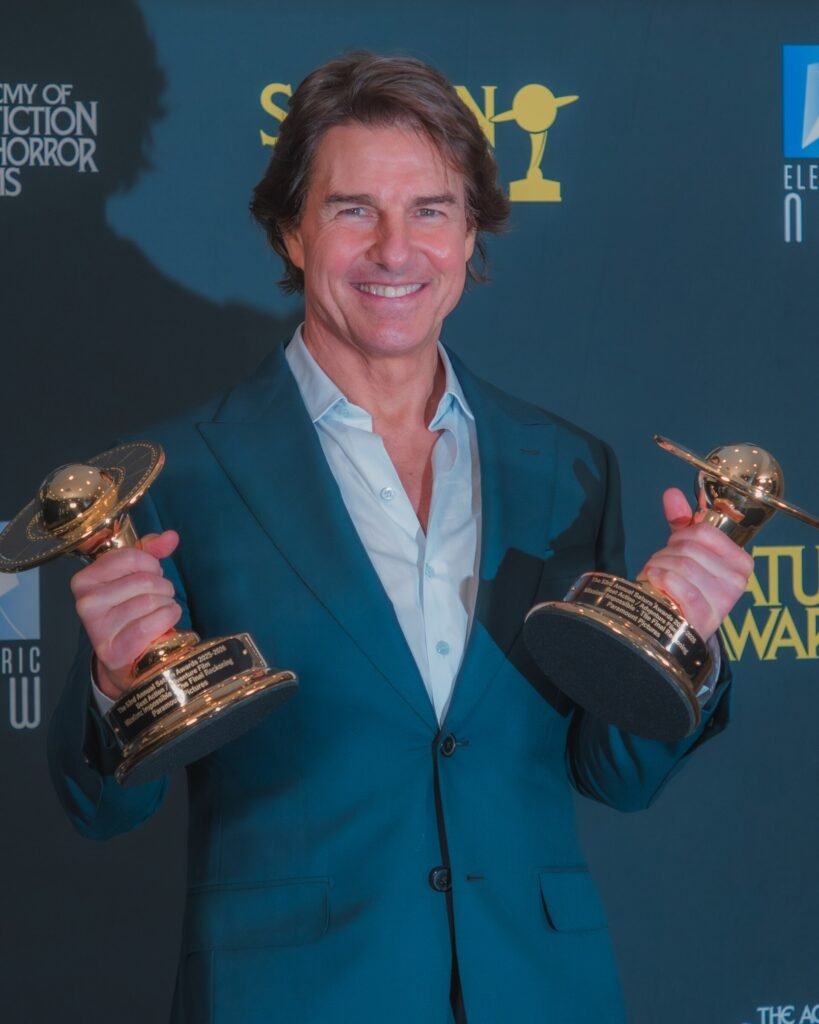
The performances are crucial for the film’s longevity. Tom Cruise has performed a defining role that breaks all records. Maverick is a character full of contradictions and emotional turbulence. He is sure of himself in front of others but emotionally unbalanced.
The physical performance of the actor is equally significant. His body language through movement, posture, and facial expressions conveys tension all the time. Energy becomes as much a part of his portrayal as characterization. This makes him seem perpetually in motion.

©Creative Commons Attribution-Share Alike 3.0
Val Kilmer by contrast is controlled by Iceman as his character shows. This character is about discipline, accuracy, and self-control. It is an ideological conflict and not a personal one; therefore, it is more fascinating than the usual form of opposition.
Anthony Edwards provides an emotional anchor as Goose. He is funny, warm, and approachable. His friendship with Maverick seems genuine and believable. This makes it the emotional center of the film. His death changes the tone of the story forever.
Kelly McGillis adds brains and grace as Charlie. She symbolizes stability amidst chaos. Her connection with Maverick is real and talks-to-talks. She is not just a romantic device. She offers emotional balance.
Tom Skerritt provides authority and mentorship are added through Viper. He symbolizes the institution’s experience and control. He brings a sense of order into Maverick’s journey. He acts as his moral and strategic compass.
Together, the cast contributes to a richly relational structure. Every character plays an important role in the story through emotion. Their relationship defines the human element in the movie. The structure helps in delivering the spectacle successfully.
In IMAX, actors appear more expressive in their roles. Even small gestures can be noticed easily. Emotions get conveyed with heightened intensity.
Themes and Modern Perspective
The themes remain relevant despite their simplicity. Ambition drives the entire narrative framework. Maverick constantly pushes against authority and limitation. That tension still resonates today.
The film explores discipline versus instinct repeatedly. Success requires emotional and behavioural growth. That arc remains universally recognisable. It reflects broader ideas of maturity.
Friendship and loss provide emotional grounding. Goose’s storyline introduces lasting consequence. It shifts tone from celebration to reflection. That shift remains highly effective.
Some cultural aspects feel dated today.
Masculinity is framed through competition and restraint. Romantic structure reflects older Hollywood conventions. However, they remain historically coherent.
Despite this, sincerity defines the entire film. It never adopts irony or detachment. It commits fully to emotional storytelling. That sincerity remains one of its strongest assets.
What Works and What Does not
Strongest aspect would be visual energy and direction. Tony Scott keeps the movie going non-stop without stopping or slowing down at all. The movie favors experience over complexity.
Flying scenes are visually powerful and emotionally affecting because they have been filmed with such care. They gain even more importance with the use of IMAX technology.
The performances raise the whole production considerably. Cruise adds charm and emotional depth. Other supporting actors bring their own dimensions to the performance. The chemistry between the actors is convincing and effective.
The storyline and structure are fairly basic, however. Some secondary characters lack development. Emotional journeys may sometimes feel rushed or abbreviated.
It is evident that editing is very much reflective of the time in which it was made.
Quick cutting does tend to affect the sense of space. This may be noticed even more by today’s audiences. However, it helps build up the kinetic energy.
The movie is all about style and not about the story itself. This is what makes it a strength and a limitation of the movie.
Final Verdict: IMAX Experience
Top Gun on the IMAX screen is an absolute must-watch experience. It amplifies every good thing about the movie. At the same time, it minimizes any negatives.
The magnitude brings total sensory involvement. The sound design becomes overwhelmingly physical. The acting comes across as more realistic and immediate. The airborne scenes become more intense.
Tony Scott’s imagery seems designed for IMAX in its need for motion, color, and rhythm, which are enhanced by IMAX technology. Forty years on, the movie stands the test of time.
It is flawed, yet culturally important.
It is one of the best examples of a blockbuster movie experience, and in IMAX it is still totally exhilarating from beginning to end.